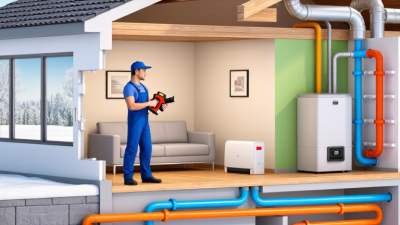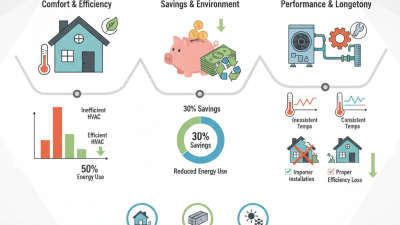
Why choose energy efficient Heating Air Systems? The answer becomes clear on a cold morning, when a system warms the living room without running nonstop. Efficient equipment can use less energy to deliver comfortable heat, helping reduce utility costs and household emissions. As energy-efficiency expert Amory Lovins puts it, “The cheapest energy is the energy you don’t use.” That idea applies to heating, too: preventing heat loss matters as much as choosing new equipment.
Look beyond the efficiency label. A properly sized heat pump or furnace, well-sealed ducts, and a smart thermostat can work together to maintain steadier indoor temperatures. Picture a bedroom that no longer feels chilly while the hallway overheats. Regular filter changes and professional maintenance also help a system operate as intended. Small details count.
Still, efficiency is not magic. Savings depend on local weather, energy prices, insulation, installation quality, and how the household uses the system. An expensive high-efficiency model may not be the right fit for every home. Ask a qualified HVAC professional to assess your existing equipment, ductwork, and heating needs before comparing options. Request clear estimates for installation costs, expected energy use, and maintenance requirements. Then weigh comfort and long-term operating costs—not just the advertised rating. A useful choice is one that suits the home in practice, not only on paper. I’d be cautious about promises of guaranteed savings; real results vary.

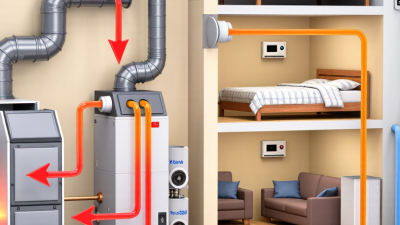
Energy-efficient heating and air systems are not a single appliance; they combine equipment and controls suited to a home’s climate and layout. Heat pumps transfer heat rather than generate it through combustion, making them efficient in many conditions. In mild weather, one unit can provide both heating and cooling. During prolonged cold, performance may fall, so some homes use a backup furnace.
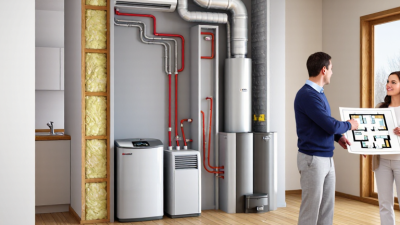
Proper sizing matters: an oversized system may cycle frequently, while an undersized one can struggle on cold nights. A room-by-room load calculation and a check for leaky ducts help guide the choice.
High-efficiency furnaces convert fuel into heat, but efficiency ratings do not tell the whole story. Installation quality, venting, and regular filter changes affect real-world performance. A variable-speed blower may move air more evenly, though it cannot fix poor duct design.
Controls complete the system. A programmable thermostat can reduce unnecessary runtime if its schedule matches daily routines. Zoning can help rooms with different sun exposure, but added controls need careful setup.
Energy use also depends on weather, insulation, utility rates, and household habits; savings are never automatic.
It is worth comparing upfront costs with expected use and checking performance after the first season.
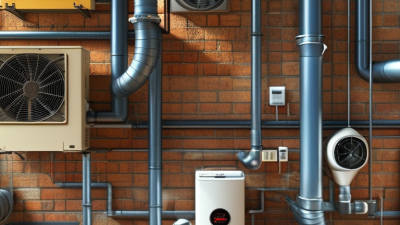
On a cold morning, a heat pump does not create warmth by burning fuel. It transfers heat from outdoors into the home. Even chilly air contains usable thermal energy. Refrigerant absorbs that heat outside, then a compressor raises its temperature. The indoor coil releases warmth into the room. Not magic. Just heat transfer.
The U.S. Department of Energy says air-source heat pumps can deliver up to three times more heat energy than the electricity they consume. The International Energy Agency’s 2022 report, The Future of Heat Pumps, estimates that heat pumps can be three to five times as energy-efficient as gas boilers. These figures describe potential performance, not every home’s results. Outdoor temperature, equipment sizing, leaky ducts, and defrost cycles all matter. A quiet system warming a hallway may perform differently during a prolonged cold snap. The word “efficient” can sound tidier than winter really is. A careful installation and realistic expectations count.
Why Choose Energy Efficient Heating Air Systems?
The U.S. Department of Energy says heat pumps can use up to 75% less electricity than electric resistance heating. That difference comes from how they work: rather than creating heat directly, a heat pump moves heat between indoor and outdoor air. On a cold evening, that can mean more warmth delivered for each unit of electricity used. It is a striking figure. But it is not a guarantee for every house.
Actual savings depend on outdoor temperatures, equipment sizing, installation quality, and how well a home holds heat. A draft near a window or an uninsulated attic can make any system work harder. Heat pumps may also need supplemental heat during very cold weather, depending on the model and local conditions. Check the system’s performance ratings and ask a qualified installer to assess your home before comparing costs. The 75% figure is useful context, not a personal forecast. That distinction is easy to miss. Even so, reducing electricity use compared with resistance heating can make a well-planned heat pump system worth considering.
This normalized comparison illustrates the U.S. Department of Energy’s statement that heat pumps can use up to 75% less electricity than resistance heating. Resistance heating is indexed at 100; at the maximum stated savings, a heat pump would use 25. Actual savings vary with equipment, climate, and operating conditions.
SEER2, HSPF2, and AFUE describe different parts of HVAC performance. They are not interchangeable scores. SEER2 measures a cooling system’s seasonal output against the electricity it uses under standardized testing. A higher rating generally means less electricity is needed for comparable cooling. HSPF2 applies to heat pumps in heating mode, comparing seasonal heat delivered with electricity consumed. AFUE is used for fuel-burning furnaces and boilers. It estimates how much fuel becomes usable heat over a year; a 95% AFUE rating means about 95% is converted to heat.
The numbers help compare equipment, but they do not predict an exact utility bill. Real results depend on local weather, home insulation, equipment sizing, duct condition, and installation quality. A high-rated unit can still perform poorly if airflow is restricted or the system is oversized. Small details matter. A technician can check duct leaks and system sizing before you compare quotes.
It is also easy to compare ratings as if every home were a test lab. It isn’t. Heat pumps may use more electricity during very cold periods, while a furnace’s AFUE does not measure cooling performance. Ask which rating applies to your system and what test conditions it reflects. Then weigh the rating against your climate, expected use, and the cost of any needed electrical or ductwork changes.
| Rating | Equipment Measured | What It Measures | Unit or Scale | How to Interpret It | Practical Comparison Tip |
|---|---|---|---|---|---|
| SEER2 | Central air conditioners and the cooling mode of heat pumps | Seasonal cooling output relative to electrical energy consumed under a standardized test procedure. | Btu of cooling per watt-hour (Btu/Wh) | A higher SEER2 value indicates greater rated seasonal cooling efficiency. For example, a rating of 16.0 represents 16 Btu of seasonal cooling output per watt-hour under the applicable test conditions. | Compare systems with similar capacity and installation conditions. SEER2 is a standardized rating, not a guarantee of a particular household’s energy use. |
| HSPF2 | Air-source heat pumps in heating mode | Seasonal heating output relative to electrical energy consumed under a standardized test procedure. | Btu of heating per watt-hour (Btu/Wh) | A higher HSPF2 value indicates greater rated seasonal heating efficiency. For example, a rating of 8.0 represents 8 Btu of seasonal heating output per watt-hour under the applicable test conditions. | Compare HSPF2 ratings alongside the local climate and the system’s capacity at low outdoor temperatures. |
| AFUE | Fuel-fired furnaces and boilers | The share of annual fuel energy converted into useful heat during the AFUE test period. | Percentage (%) | An AFUE rating of 95% means that, under the rating method, 95% of the fuel’s energy is converted into useful heat over the test period. AFUE does not measure electricity use or heat lost through ducts. | Compare AFUE values for equipment using the same fuel. Also consider installation quality, venting, and distribution losses. |
| SEER2 and HSPF2 | Cooling and heating performance of applicable heat pumps | Separate seasonal efficiency ratings for cooling and heating; they describe different operating modes. | Btu/Wh for each rating | A heat pump can have different SEER2 and HSPF2 values because cooling and heating operate under different conditions and are tested separately. | Do not treat SEER2 and HSPF2 as interchangeable or compare either directly with AFUE. |
| Rating Test Procedures | Applicable residential air conditioners and heat pumps | SEER2 and HSPF2 use updated Department of Energy test procedures that took effect for covered products on January 1, 2023. | Standardized laboratory ratings | SEER2 and HSPF2 are not directly equivalent to the older SEER and HSPF ratings because the test procedures changed. | When comparing older equipment data with newer product data, check that the ratings use the same test-generation label. |
| Real-World Energy Use | All HVAC equipment | Actual energy consumption depends on equipment sizing, climate, controls, maintenance, ductwork, and installation. | Varies by home and operating conditions | A higher efficiency rating can reduce energy use for the same heating or cooling service, but it does not by itself predict a household’s exact bill or savings. | Use ratings to compare equipment, then consider a qualified load calculation, local energy prices, and installation estimates. |
| Important Note | Minimum efficiency requirements and product eligibility can vary by equipment type, capacity, and location. Check current local requirements and the applicable product rating before purchasing. | ||||
How Climate, Insulation, and System Sizing Shape Energy Use
Climate changes the load. A home near a damp coast may need different heating and cooling priorities than one in a dry inland area. Cold snaps, humid summers, and daily temperature swings all affect how long a system runs. Local weather patterns matter more than a single average temperature.
Insulation and air sealing determine how quickly conditioned air escapes. On a windy evening, drafts around a door or attic hatch can make a room feel cold, even when the thermostat setting seems reasonable. Sealing leaks and insulating the roof or walls can reduce demand before equipment is replaced. Small gaps matter. Still, insulation alone cannot fix blocked vents or uneven airflow between rooms.
System size should come from a professional heat-loss and heat-gain assessment, not square footage alone. An oversized unit may switch on and off frequently, wasting energy and creating uneven humidity. An undersized unit may run for long stretches during extreme weather. Proper sizing, duct inspection, and careful setup all matter. A rule of thumb is tempting, but it can be wrong; existing homes often hide surprises behind finished walls. Ask what assumptions informed the load calculation, and compare them with real comfort problems.