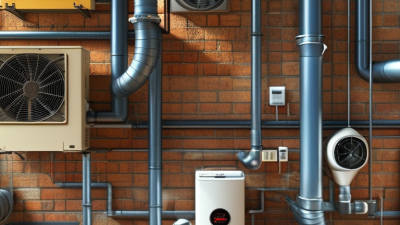
Heating Air Systems keep indoor spaces warm by moving heat, not merely by producing it. A furnace burns fuel or uses electricity to heat air, then a blower pushes it through ducts and room vents. A heat pump works differently: it transfers heat from outdoor air indoors, even in cold weather, though its performance varies with temperature. A thermostat signals when heating is needed; filters, return-air grilles, and sealed ducts help the system circulate air. The basic idea is simple. The details matter.
The U.S. Energy Information Administration’s 2015 Residential Energy Consumption Survey reported that space heating accounted for about 42% of residential site energy use in U.S. homes. That figure is a national snapshot, not a prediction for every household; climate, insulation, equipment, and fuel all affect consumption. It does, however, show why understanding a heating system can help homeowners ask better questions about comfort and energy use. A cold bedroom beside a warm hallway may point to airflow imbalance, leaky ducts, or inadequate insulation—not necessarily a failing furnace. That distinction is easy to miss.
This guide explains the main components, the heating cycle, and how common system types differ. It also considers what routine maintenance can—and cannot—fix. For installation, repair, or safety concerns, a qualified HVAC professional can assess the equipment and the home as a whole. No system is perfectly efficient in every building. Understanding how yours works is a practical place to begin.
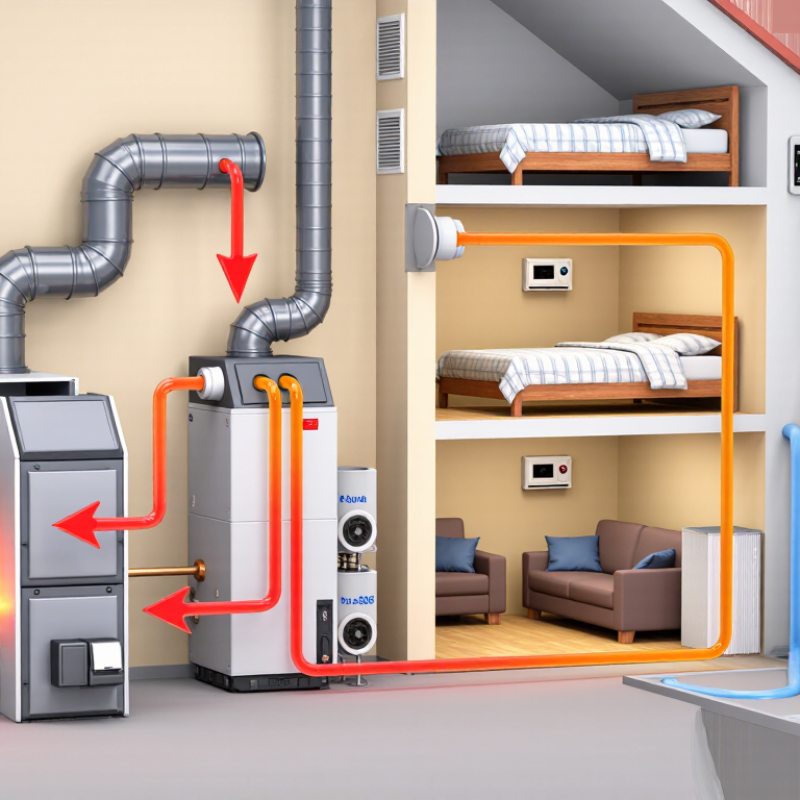
A heating air system moves conditioned air through a home to keep rooms comfortable. In a common forced-air setup, a thermostat senses room temperature and signals a furnace or heat pump. The equipment warms air, while a blower pushes it through ducts and floor or wall registers. Cooler air returns through separate grilles for another cycle. Simple in principle. In practice, airflow depends on clean filters, open vents, and well-fitted ducts.
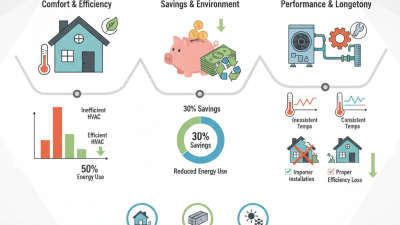
The U.S. Energy Information Administration’s 2020 Residential Energy Consumption Survey reports that space heating accounted for about 42% of household energy use. That makes equipment condition and control settings worth attention. A heating system may also share ducts with central air conditioning, though not every home is built that way. The U.S. Department of Energy says heat pumps can use about 50% less electricity for heating than electric resistance systems. Real results vary with climate, insulation, and system sizing. A house is not a laboratory. Leaky ducts, a clogged filter, or one sunny room can make temperatures uneven, even when the thermostat appears satisfied.
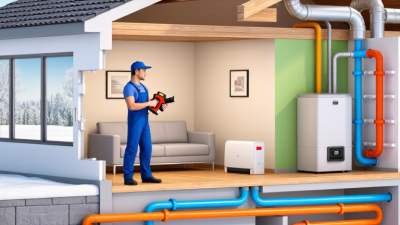
A heating air system moves warmth from a heat source into rooms through a network of ducts. Its thermostat senses room temperature and signals the system when more heat is needed. The heat source may be a furnace or a heat pump, and each works differently. In a furnace, fuel or electricity heats a heat exchanger; in a heat pump, refrigerant transfers heat from outside air. Warm air then travels onward. The distinction matters when someone is troubleshooting uneven temperatures.
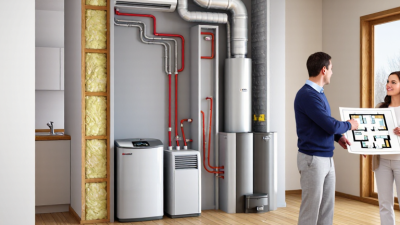
The blower fan pushes air through the system, while a filter catches dust and other particles before they reach equipment and rooms. Ducts carry heated air to supply registers, and return grilles draw cooler room air back toward the unit. Small details count. A blocked filter can restrict airflow, while leaking or poorly insulated ducts may lose heat in an attic or crawl space. One point is easy to overlook: a clean filter cannot correct undersized ducts. Thermostats, wiring, and safety controls also coordinate operation and help stop unsafe conditions. The exact layout varies, so labels on a diagram can be confusing; checking the equipment manual is a better guide than guessing.
What Is a Heating Air System and How Does It Work?
A heating air system warms indoor air, then moves it through rooms using ducts and vents. In a furnace, fuel or electricity heats a metal heat exchanger; a blower pushes air across it. A heat pump works differently: it transfers heat from outdoors indoors, even in cold weather. The thermostat signals when heating is needed. Warm air travels through supply ducts, while cooler room air returns through separate grilles to be heated again. You may feel the cycle as a soft rush near a vent.
Distribution matters as much as heat production. Leaky ducts, blocked filters, or closed vents can reduce airflow and leave far rooms chilly. The U.S. Energy Information Administration’s 2020 Residential Energy Consumption Survey reports that space heating accounted for 42% of household energy use. The U.S. Department of Energy notes that heat pumps can use about 50% less electricity for heating than electric resistance systems. Actual performance depends on climate, equipment condition, and installation. A tidy system diagram cannot show every draft or uneven room.
Tips: Keep return grilles clear, replace filters as directed, and notice rooms that heat slowly. Small details matter. If airflow stays weak, have a qualified technician check the system and ducts.
The furnace heats returning air, and a blower moves it through ducts to the rooms. This illustrative temperature profile shows a typical heating cycle; actual temperatures vary by equipment, settings, and conditions.
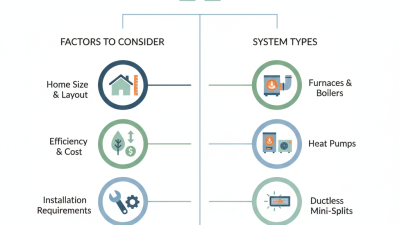
Common residential heating systems use forced air, heat pumps, or hot water. A gas furnace warms air and sends it through ducts to room registers. The U.S. Energy Information Administration’s 2020 Residential Energy Consumption Survey found that natural gas heated about 47% of U.S. homes. Electricity was the primary heating source for about 41%. Air moves. But leaky ducts can waste heat before it reaches a bedroom.
Air-source heat pumps use electricity to transfer heat indoors, rather than generating it directly. The U.S. Department of Energy explains that, in suitable conditions, heat pumps can deliver two to four times more heat energy than the electricity they use. Their performance can drop in very cold weather, so equipment sizing and local climate matter. Electric resistance heaters, including baseboard units, are simpler, but generally use more electricity for the same heat.
Boilers create another common system: they circulate hot water through radiators, baseboards, or underfloor tubing. These systems warm surfaces and rooms without ductwork. A warm floor feels pleasant. Still, hydronic systems may respond more slowly than forced air, and repairs can require access to pipes. The right comparison includes fuel prices, insulation, duct condition, and how evenly each room stays warm—not just the equipment’s efficiency rating.
A thermostat controls heating by comparing the room temperature with the temperature you set. A small sensor inside it reads the nearby air. When the room cools below the set point, the thermostat sends a signal to the heating equipment. The system then starts a heating cycle. Small details matter.
When the room reaches the target temperature, the thermostat signals the equipment to stop. Many controls allow a slight temperature range to prevent rapid on-and-off cycling. That delay is normal. Depending on the system, the signal may start a furnace, boiler, or heat pump. A heat pump may also use auxiliary heat in colder conditions, if the system has it.
The thermostat only senses the air around its own location, not every room in the home. A drafty hallway, direct sunlight, or a nearby heat source can affect its reading. If one room feels cold while the thermostat shows the target temperature, the control may be responding correctly to a different part of the house. Raising the setting much higher usually does not make heating happen faster; it can simply keep the system running longer. I find this easy to misread, especially when a room takes time to warm. Check the thermostat’s placement and schedule before assuming the heating equipment is at fault.
| System Part or Stage | What It Does | How the Thermostat Is Involved | Typical Operation |
|---|---|---|---|
| Thermostat and temperature sensor | Measures the room temperature and lets the user select a target temperature, or setpoint. | Compares the measured temperature with the setpoint and sends a heating request when required. | Many thermostats use a small temperature differential, often called a deadband, to reduce frequent on-and-off cycling. Its size depends on the thermostat and system. |
| Heating call | Provides the control signal that asks the heating equipment to operate. | In many conventional systems, a low-voltage signal on the heating circuit (often identified as W) requests heat. Wiring and controls vary by system. | The thermostat typically stops the call when the sensed temperature reaches the control’s stopping point. |
| Gas or oil furnace | Burns fuel to heat a heat exchanger; the air passing over it is warmed without normally mixing with combustion gases. | A heating call starts the furnace’s control sequence; the thermostat generally does not directly operate the burner. | Depending on the furnace, a draft inducer, ignition, and flame proving occur before the circulating blower delivers warm air. The exact sequence varies by model. |
| Electric furnace or resistance heating | Uses electric heating elements to warm air moving through the equipment. | The thermostat requests heat, and the system controls energize the appropriate heating stages. | The blower moves air across the elements and through the ducts. Equipment controls manage operation and temperature limits. |
| Heat pump | Moves heat from outdoor air (or another source) indoors rather than creating heat through fuel combustion. | A compatible thermostat signals heating operation and may also request auxiliary heat when configured conditions call for it. | The outdoor and indoor sections work together to transfer heat. Defrost and auxiliary-heat behavior depend on the equipment and its controls. |
| Circulating blower and air handler | Moves heated air through the supply ducts and returns cooler room air to the equipment. | The thermostat may call for the blower along with heat, or the heating equipment may control blower timing. | In many furnaces, the blower starts after the heat exchanger warms and continues briefly after the burner stops. Timing differs by system. |
| Ducts and room registers | Carry conditioned air to rooms and return air to the heating equipment. | Most basic thermostats sense temperature only where the thermostat is installed; some systems can use additional sensors. | Closed or blocked registers and leaks can affect airflow and room temperatures, so ducts and return-air paths should remain unobstructed. |
| Safety and equipment controls | Monitor operating conditions and stop or limit operation if a fault or unsafe condition is detected. | The thermostat requests heat, but built-in equipment controls govern the operating sequence and safety limits. | Examples include furnace temperature-limit controls and flame-proving devices. A safety shutdown may prevent heating even while the thermostat is calling for heat. |
| End of heating cycle | Stops heat production and allows the system to return to standby. | When the control’s target is satisfied, the thermostat ends the heating call. | The burner or heating elements stop, or the heat pump changes operating state. A blower may continue briefly to use or clear residual heat. |
Note: Operating sequences and thermostat wiring vary among furnaces, electric systems, and heat pumps. Consult the equipment documentation or a qualified HVAC professional for system-specific information.