10 Best Heating Air Systems for Global Buyers
Choosing among the 10 Best Heating Air Systems for Global Buyers requires more than comparing prices and efficiency labels. A system that performs well in a cold Nordic warehouse may disappoint in a humid coastal home. Climate, building insulation, fuel availability, maintenance skills, noise levels, and local energy costs all matter. Small details matter too. A poorly sealed duct can waste valuable heat before it reaches the room.
Heating Air Systems now include heat pumps, gas furnaces, electric systems, hydronic radiators, and hybrid designs. Each option has practical strengths. Heat pumps can reduce emissions and operating costs in suitable climates. High-efficiency boilers may deliver steady warmth through radiant floors. Electric resistance units remain simple, but their running costs can rise sharply. No single choice wins everywhere.
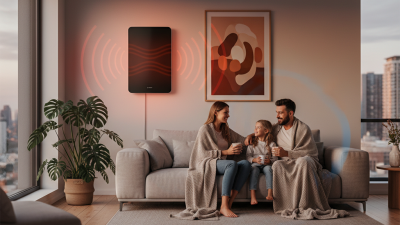
Harvard building scientist Joseph G. Allen has said, “Buildings are the next frontier in public health.” His point also applies to heating design. Warmth should arrive with clean airflow, controlled humidity, and dependable ventilation. Comfort is not merely a number on a thermostat.
This guide evaluates equipment through real buyer concerns: seasonal performance, installation complexity, service access, safety features, warranty clarity, and long-term value. It also considers recognized testing practices and responsible refrigerant choices. The ranking is useful, but not perfect. Product data changes, installers vary, and real buildings behave unpredictably. Buyers should verify local requirements and obtain professional sizing advice before purchasing. A cheaper system may become expensive after one neglected winter.
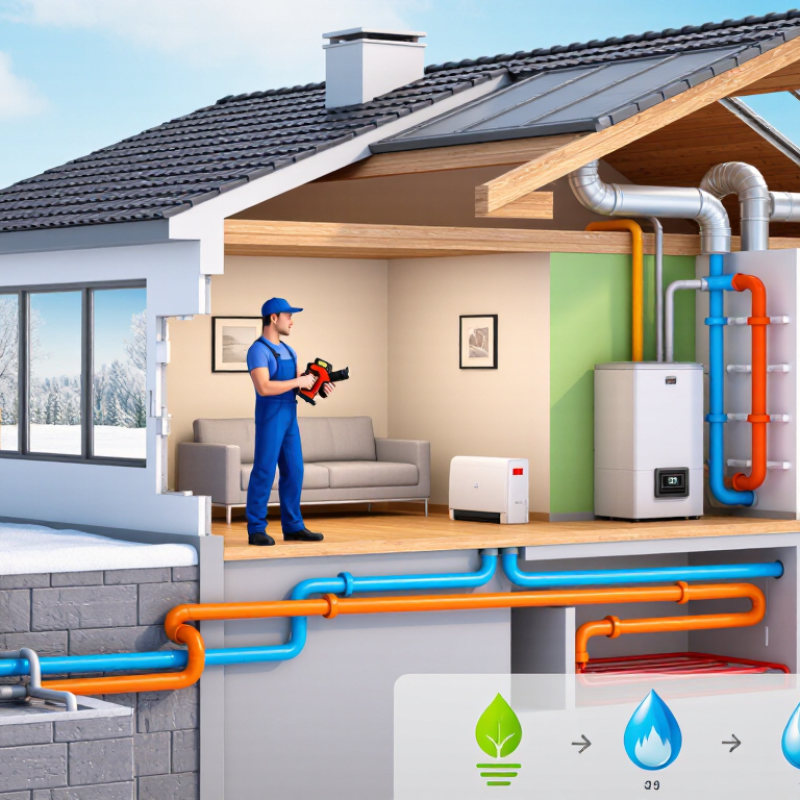
Heating Air Systems: Types, Functions, and Core Components
10 Best Heating Air Systems for Global Buyers
Heating air systems vary by climate, building design, and energy prices. Common types include air-source heat pumps, ground-source heat pumps, ducted furnaces, hydronic fan coils, and electric resistance heaters. Air-source units transfer heat between outdoor air and indoor spaces. Ground-source systems use buried loops, offering steadier performance in severe weather. The International Energy Agency reports that heat pumps can deliver three to five units of heat for one unit of electricity under suitable conditions. That figure changes with outdoor temperature, installation quality, and defrost cycles.
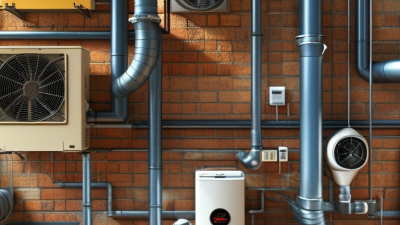
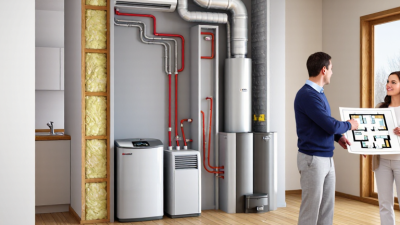
A reliable system depends on several core components. The compressor raises refrigerant pressure and temperature. Heat exchangers move thermal energy through the indoor and outdoor coils. An expansion valve reduces pressure before the refrigerant circulates again. Fans, filters, sensors, thermostats, and control boards manage airflow and comfort. The U.S. Department of Energy notes that correct sizing is essential for efficiency and humidity control. Oversized equipment may cycle too often. Undersized equipment may struggle on a freezing morning. Real buildings are rarely perfect.
Tips: Check seasonal efficiency ratings, noise data, filter access, and cold-weather capacity. Ask for room-by-room load calculations, not only floor-area estimates. The IEA’s The Future of Heat Pumps estimates that wider heat-pump adoption could avoid at least 500 million tonnes of annual CO2 emissions by 2030. Still, electrical supply, maintenance skills, and local refrigerant rules deserve equal attention before purchasing.
10 Best Heating Air Systems for Global Buyers
Typical seasonal efficiency and coefficient of performance by heating system type
The values are representative midpoints of commonly published residential and light-commercial performance ranges. AFUE and seasonal efficiency are shown as percentages, while heat pumps use COP, which indicates the amount of heat delivered per unit of electricity consumed. Actual performance depends on climate, system sizing, installation quality, controls, and maintenance.
Installation Requirements, Maintenance, and Safety Considerations
10 Best Heating Air Systems for Global Buyers
Choosing a heating air system requires more than comparing output and price. Buyers should match the system to climate, building size, insulation, voltage, and local fuel access. Common options include heat pumps, furnaces, boilers, radiant floor systems, and electric heaters. Each needs different installation clearances, drainage routes, ventilation, and control wiring. A qualified technician should verify load calculations before purchase. An oversized unit may cycle constantly and waste energy.
Installation must follow local building, electrical, and fire-safety requirements. Keep outdoor equipment away from blocked drains, snow, and combustible materials. Indoor combustion equipment needs safe exhaust routing and carbon monoxide protection. Check filters monthly during heavy use. Clean coils, burners, vents, and condensate lines according to the service manual. Small faults can become expensive.
Tips: Photograph pipe connections before servicing. Test smoke and carbon monoxide alarms regularly. Keep access panels clear. Never bypass a safety switch. Ask for commissioning records, warranty terms, and maintenance intervals. A useful inspection should measure airflow, temperature difference, electrical readings, and combustion performance. Do not rely only on a heating technician’s verbal assurance. In practice, some installation plans look correct but fail after the first cold week. Recheck noise, condensation, and room temperature after operation begins.
Choosing the Right Heating Air System for Global Markets
Choosing a heating air system for global markets requires more than comparing rated capacity. Climate, electricity standards, installation skills, and local service can change real performance.
Climate changes everything. A system designed for a mild coastal city may struggle during a dry, freezing winter.
The International Energy Agency reported that global heat pump sales grew by about 11% in 2022, while European sales increased by nearly 40%.
This growth shows strong demand, but it also exposes supply, training, and maintenance gaps.
For the 10 best heating air systems, buyers should compare seasonal efficiency, low-temperature output, noise, controls, and spare-part access. Check performance at the temperatures customers actually experience, not only laboratory conditions.
The IEA also notes that heat pumps can reduce building emissions when electricity becomes cleaner, although results depend on regional power generation.
Refrigerant choice matters too, because environmental rules and reporting requirements differ across markets. A low purchase price can mislead. Real projects are messier, and a spreadsheet may miss weak installer networks or unstable voltage.
Tips:
Ask for climate-zone test data and verified efficiency certificates. Confirm voltage, frequency, defrost behavior, and warranty procedures before ordering. Keep a two-year spare-parts plan for remote markets.
The United Nations Environment Programme reports that buildings consume about 30% of global final energy, making efficient heating a practical purchasing priority.
Still, efficiency alone is not enough. Service matters. A technically excellent system can fail commercially when local technicians cannot repair it.