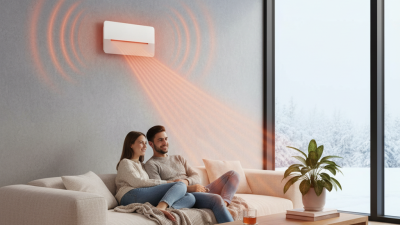
How to Choose an Infrared Electric Heater
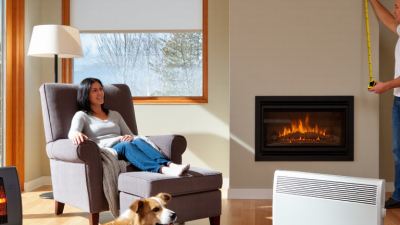
Choosing an Infared Electric Heater starts with the room, not the product label. A compact unit may suit a desk nook, while a larger living area needs more careful planning. Measure the space and note ceiling height, drafts, and insulation. A cold room with bare windows can feel chilly even when the heater is running.
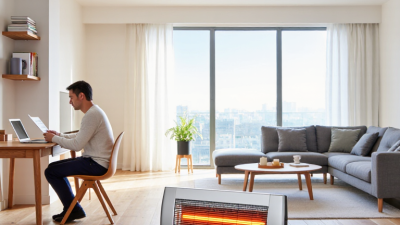
Infrared models warm people and nearby surfaces directly, rather than relying only on heated air. That can feel comfortable when you sit within the heater’s effective range. It does not mean every corner will warm evenly. Think about where you spend time: beside a reading chair, near a workbench, or across a family room. Check the manufacturer’s room-size guidance, power rating, thermostat options, and recommended clearance before comparing prices.
Small details matter. A stable base, tip-over protection, overheat shutoff, and a clearly marked control panel can make everyday use easier. Confirm that the heater is intended for your setting, and follow its manual for placement and operation. Keep it away from curtains, bedding, and walkways. Quiet operation may be useful in a bedroom, while a timer can help avoid leaving the unit on longer than needed.
There is no perfect choice. A higher wattage does not automatically mean a better fit, and advertised savings depend on how you use the heater and the room itself. Compare practical features with your routine, then choose a model whose safety instructions and specifications are easy to verify. The small print counts.
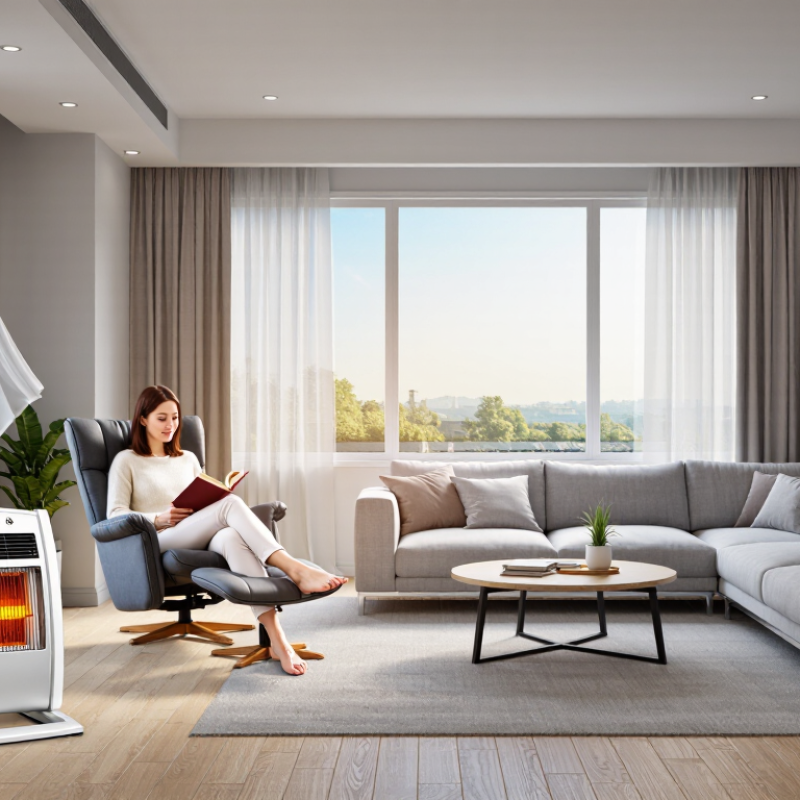
Understand How Infrared Electric Heaters Work
An infrared electric heater converts electrical energy into infrared radiation. That radiation travels across the room and is absorbed by people, floors, furniture, and other surfaces. Those warmed objects then release heat gradually into nearby air. The effect can feel like sunlight on your hands beside a cool window. It is not magic. Unlike a conventional convection heater, an infrared unit does not need to warm all the room’s air before you feel warmth. But it does not heat every corner equally; objects outside its direct path may stay cooler.
Inside the unit, an electric element heats an emitter, while a reflector directs much of its radiation outward. The warmth you feel depends on output, distance, angle, and room conditions. Sit close, and a desk or your legs may warm quickly; move behind a large cabinet, and the direct effect can fade. Drafts and cold walls still matter. A thermostat can help regulate operation, but its reading may not match the temperature where you sit. Check the heater’s instructions for clearances, stable placement, and suitable use. Infrared warmth is directional. That distinction is useful, though it does not guarantee lower energy use; results depend on how long and where the heater runs.
Assess Your Room Size and Heating Needs
Start with the room’s floor area, then look beyond the square footage. A 10-watt-per-square-foot estimate is a rough screening tool: a 150-square-foot room suggests about 1,500 watts. That’s only a starting point. Ceiling height, drafty windows, insulation, and outdoor winter temperatures can change the heat needed considerably. The U.S. Energy Information Administration’s 2020 Residential Energy Consumption Survey reported that space heating made up about 42% of household energy use. That national figure shows heating’s importance, but it cannot size an individual room.
ASHRAE’s Handbook—Fundamentals describes heating-load calculations that account for conditions such as climate, building materials, and air leakage. Use those factors to question any simple area estimate. A high-ceilinged room with cold glass may feel chilly even when its floor area appears modest. Infrared heaters warm people and nearby surfaces directly, so consider where you sit, how far away the heater will be, and whether you expect it to warm the whole room. I would not trust the wattage shortcut alone. It can overestimate coverage in a drafty space and underestimate comfort near a well-placed heater. Check the heater’s stated coverage, then compare it with your room’s actual layout and insulation.
Compare Heater Types, Power, and Coverage
Infrared heaters differ in how they deliver warmth.
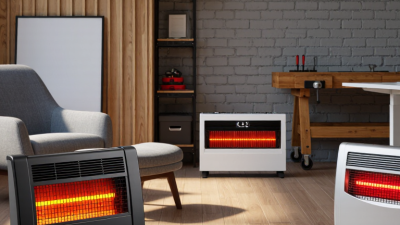
Quartz and halogen elements heat quickly and suit a desk, reading chair, or other focused spot. Carbon elements often provide a broader, gentler feel, while radiant panels warm nearby people and surfaces more quietly. The label alone cannot predict comfort. Stand where you plan to sit and consider whether the heater’s direction and height match that space.
Power matters, but it is not the whole story.
A 1,500-watt heater uses more electricity than a 750-watt model, yet it may still leave a drafty corner cold. As a rough starting point, some buyers use about 10 watts per square foot for a reasonably insulated room. Treat that as an estimate, not a promise. Infrared heat warms objects directly, so open layouts, ceiling height, insulation, and furniture placement can change the useful coverage.
Check the stated coverage area and compare it with your room’s shape, not just its floor area. A narrow beam may feel strong across a few feet and weak across the room. For a bedroom, note the distance from the heater to the bed and whether warmth reaches your feet. For a workshop, account for cold concrete and open doors. Small details matter. I would not assume the biggest wattage is best; that shortcut can waste power without making the whole space comfortable.
Check Safety Features and Installation Requirements
An infrared electric heater can warm a person across a chilly room, but safe placement still matters. For portable models, check for tip-over shutoff and overheat protection. Look for certification by a recognized testing laboratory, and inspect the cord and plug for damage. Keep the heater on a firm, level floor, away from curtains, bedding, and furniture. Follow the manual’s clearance measurements; they vary by model. Small print matters.
NFPA’s Home Heating Fires report estimates that heating equipment caused an average of 44,210 home structure fires each year from 2016 to 2020, resulting in 480 civilian deaths annually. These figures cover heating equipment broadly, not infrared electric heaters alone, but they underline why safeguards and spacing deserve attention. A heater that feels cool to the touch can still ignite nearby materials.
For fixed or wall-mounted units, confirm the required circuit, mounting height, and clearances before installation. Have hardwiring handled by a qualified electrician, and do not assume an existing outlet or circuit is suitable. Avoid extension cords unless the manufacturer explicitly permits one. Bathrooms and other damp areas need equipment rated for that location. I might be tempted to rely on a wide-looking gap, but the manual’s stated distance is the safer measure.
Evaluate Energy Use, Controls, and Maintenance
Infrared electric heaters warm people and nearby surfaces directly, so comfort depends on where you sit, not just the room’s temperature. Estimate the area you want to heat, then consider drafts, ceiling height, and insulation. A heater may feel effective beside a desk but leave a cold corner across the room. That matters.
Compare each unit’s wattage with your expected daily use. For example, a 1,500-watt heater running for four hours uses about six kilowatt-hours. Your actual cost depends on your electricity rate and how often the thermostat cycles. Infrared heating is not automatically cheaper; savings depend on heating a smaller area or lowering central heat. A built-in thermostat can help, while a timer prevents unnecessary operation when the room is empty.
Check whether the controls are easy to reach and read. A dim display or confusing buttons can make routine adjustments irritating. Some details are easy to overlook. For maintenance, look for accessible vents or reflectors that can be cleaned according to the manual. Dust buildup may affect performance, so unplug the heater and let it cool before cleaning. Keep curtains and furniture clear of the unit, and inspect its cord for damage. It is tempting to judge a heater by its first warm minute, but everyday controls and upkeep often matter more.