10 Best Infrared Electric Heaters for Buyers in 2026
Choosing an Infared Electric Heater is less about chasing the highest wattage and more about matching warmth to the room, your routine, and your budget. A heater beside a reading chair serves a different purpose from one warming a drafty workshop. The glow on the floor can feel inviting, but advertised coverage is not a promise that every corner will feel equally warm.
For credibility, an expert quotation should be verified before it is attributed to a real person. No source or expert name was provided, so this introduction does not invent one. A useful buying principle still applies: “Match the heater to the space and the way you use it.” Treat that as an editorial rule of thumb, not a published expert quotation. Small distinction. It matters.
This 2026 guide compares ten options by heating performance, controls, portability, safety features, and everyday value. It also considers practical details buyers can overlook: whether the unit fits beneath a desk, how easily its settings can be reached, and whether its surface gets uncomfortably hot nearby. Product specifications can help, but they do not replace checking your room’s layout and the manufacturer’s instructions. No heater is perfect for every home. The best choice is the one that suits your space without promising more than it can deliver.
Understanding Infrared Electric Heaters and Their Benefits
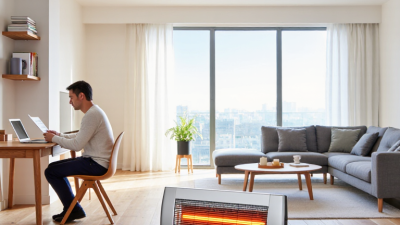
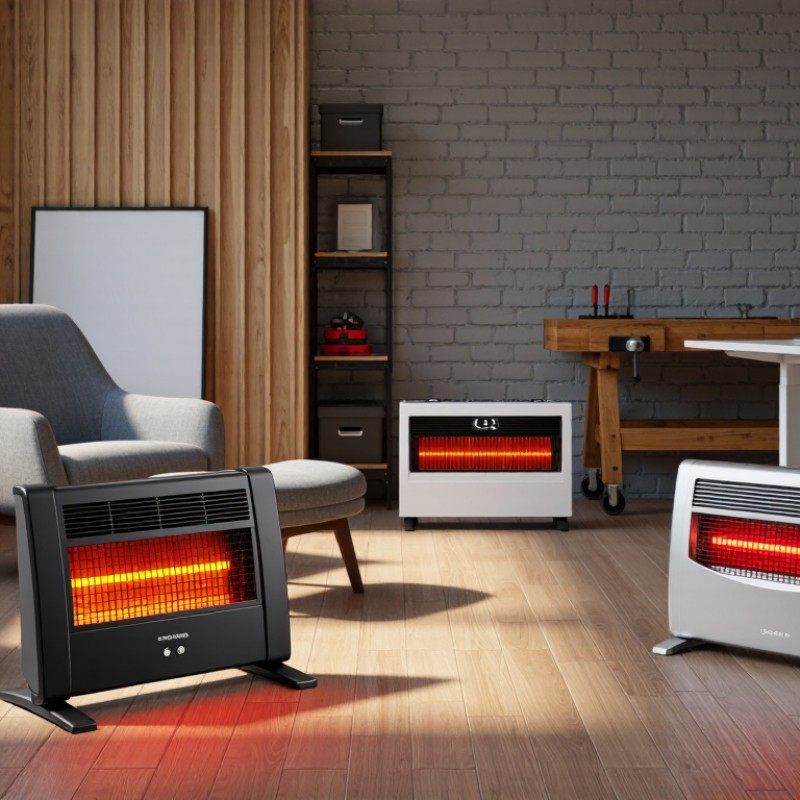
Infrared electric heaters warm people and nearby surfaces through radiant heat. They do not need to heat all the air first. This can feel comfortable in a drafty room or beside a chilly desk. Imagine sitting near the heater and feeling warmth on your hands while the far wall stays cool. That difference is normal. Placement matters.
Many models use reflective panels or heating elements to direct warmth toward an occupied area. Because they heat objects and people directly, they may suit occasional, zone-based heating. They are not automatically cheaper to run, though. Electricity use, room insulation, thermostat settings, and operating time all affect costs. A heater that feels warm nearby may not raise the whole room’s temperature much. That trade-off is easy to overlook.
Tips: Choose a heater with a thermostat and overheat protection. Check its electrical rating, and plug it in as the manual directs. Keep curtains, bedding, and furniture clear of the unit. Aim it toward the seating area, but follow the manufacturer’s clearance instructions. Test the placement for a few minutes. If one side of the room stays cold, a small adjustment may help.
How Infrared Heating Technology Works
Infrared electric heaters warm people and surfaces by sending out radiant energy. The radiation travels through the room and is absorbed by your skin, a chair, or a nearby floor. Those warmed surfaces then release some heat into the surrounding air. Unlike a fan heater, an infrared unit does not need to heat all the room air before you feel warmth. Think of sunlight falling across your hands on a cool morning.
The U.S. Department of Energy’s Energy Saver guidance says electric resistance heating converts nearly all the electricity used at the point of use into heat. That figure does not mean infrared heaters use less electricity than other resistance heaters. Their practical advantage is targeted comfort: a person sitting within the heater’s effective range may feel warm while the room remains cooler.
Results depend on distance, room layout, insulation, and whether objects block the heater’s view. Comfort can be uneven. That detail is easy to overlook.
Tips: Aim the heater toward occupied seating, and keep its front clear. Compare models by wattage and safety features, not “efficiency” claims alone. A warm patch beside a cold doorway is still possible. Be realistic.
How to Compare the 10 Best Infrared Heaters in 2026
To compare the 10 best infrared heaters in 2026, start with output, not advertised room size. Check wattage, heat settings, thermostat accuracy, and whether the unit warms people and objects directly or relies on a fan. The U.S. Department of Energy notes that electric resistance heaters convert incoming electricity into heat at the point of use, but that does not guarantee lower bills. The U.S. Energy Information Administration reported an average residential electricity price of 16.48 cents per kilowatt-hour in 2024. At that rate, a 1,500-watt heater costs about 25 cents per hour to run. Local rates differ.
Look closely at controls and safety details. A stable base, tip-over shutoff, overheat protection, and a clear operating manual matter more than a glossy display. NFPA data for 2016–2020 attribute an average of 44,210 U.S. home fires annually to heating equipment. That figure covers heating equipment broadly, not infrared heaters alone. Still, it is a useful reminder to check clearance instructions and keep fabric away from hot surfaces. The awkward part: room-coverage claims rarely reflect drafty rooms or high ceilings.
Tips: Compare each heater at the same wattage and note noise, cord length, and thermostat behavior. A simple plug-in energy meter can help estimate consumption. Don’t assume a lower setting means proportionally lower comfort; test it where you’ll actually sit.
Safety, Efficiency, and Choosing the Right Heater
Infrared heaters warm people and nearby surfaces directly, rather than relying only on moving warm air. That can feel comfortable beside a desk or reading chair, even when the whole room remains cool. Match the heater’s output to the room size and insulation, and consider how close you will sit. More wattage does not automatically mean better comfort. It may mean higher running costs.
Safety details matter in daily use. Look for tip-over and overheat protection, a stable base, and a safety certification recognized in your region. Keep the heater on a firm, level surface, with clear space around it. Curtains, bedding, and paper should stay well away. Plug it in as directed by the manufacturer; avoid an extension cord unless the instructions specifically allow one. Never leave a portable heater running unattended.
Efficiency depends on the room and your habits, not just a product label. A thermostat can help prevent unnecessary heating, while a timer may suit short periods of use. Check the heater’s wattage and estimate operating cost using your local electricity rate. A drafty room can defeat a lot of careful choosing. One detail buyers may overlook: radiant warmth feels different from evenly heated air, and that difference is not always pleasant. If possible, compare the controls, noise, and heat coverage before deciding.