China Best Infrared Electric Heater Supplier for Buyers
Buildings consume substantial energy, so buyers increasingly examine heating performance alongside purchase price. The 2024 Global Status Report for Buildings and Construction, published by UNEP and the GlobalABC, estimates that buildings and construction account for 32% of global energy demand and 34% of energy-related carbon dioxide emissions. These figures describe the wider sector, not infrared heaters alone. Still, they highlight why product efficiency and responsible sourcing matter.
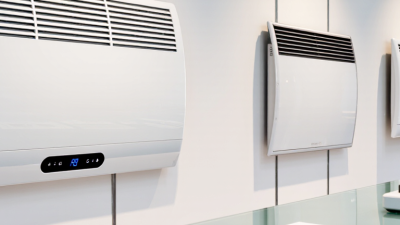
For buyers comparing a China Best Infrared Electric Heater Supplier, the key questions are practical: What is the rated wattage? Which heating elements and safety features are used? Can the supplier provide test records, clear specifications, and consistent production details? An Infared Electric Heater warms people and surfaces through radiant energy, making placement, room layout, and intended use important. A showroom demonstration can feel convincing. Real installations may differ. Buyers should compare verified performance claims with their own operating conditions, rather than relying on broad promises. Ask about temperature controls, overheat protection, installation guidance, spare parts, and after-sales support. Check how sample units match production models, too. No supplier is perfect. That is worth remembering. A careful sourcing decision weighs documented quality, communication, delivery capability, and total operating needs—not price alone.
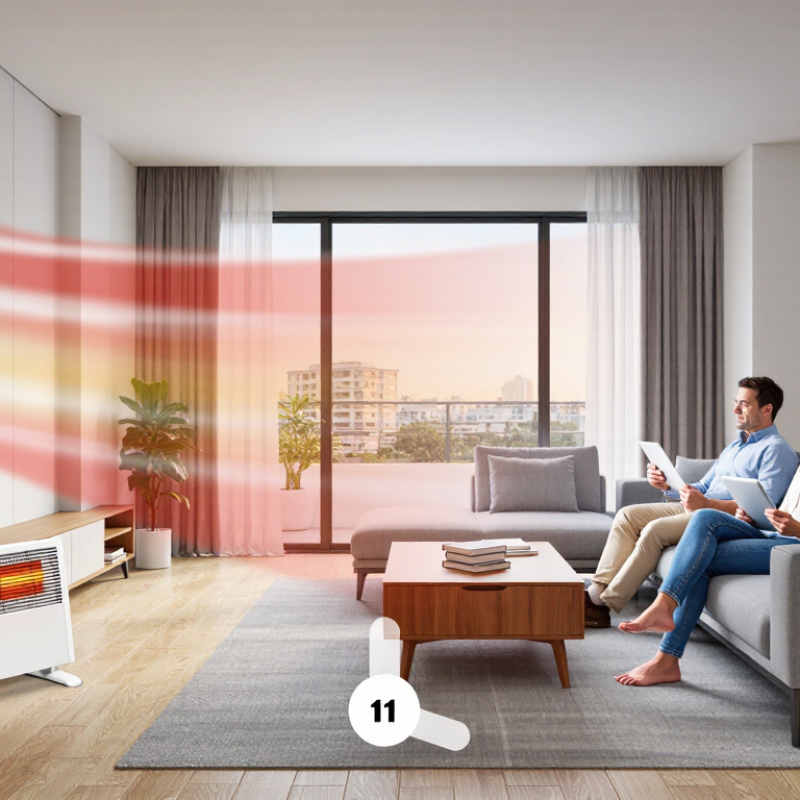
Infrared Heater Fundamentals: 100% Point-of-Use Conversion of Electricity to Heat
An infrared electric heater converts virtually all the electricity it draws into heat at the point of use. That is the practical meaning of “100% conversion.” No combustion takes place inside the appliance, and no exhaust carries heat away. Still, this figure describes the heater, not the whole energy chain. Power generation, room insulation, mounting height, and thermostat settings all shape real-world performance. Small details matter. A poorly placed panel may warm a wall while leaving a drafty seating area cool.
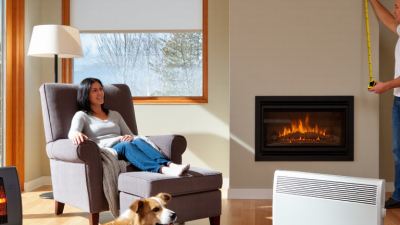
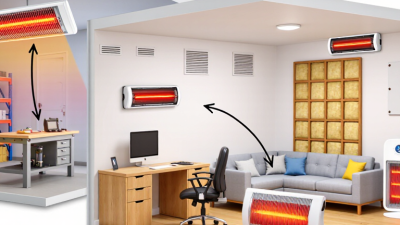
Infrared energy warms people and nearby surfaces directly; those surfaces then release heat into the room. This can feel responsive in a workshop, bathroom, or occupied zone, especially when heating one area at a time. It may be less suitable when buyers expect uniform warmth across a large, poorly insulated space. For procurement, compare rated power, voltage, control options, surface temperature, and independent test documentation. Ask suppliers how output was measured, and request sample testing under your intended installation conditions. A specification sheet is useful, but it cannot show every room’s drafts or daily use. I would not treat “100%” as a promise of zero energy waste. It is a useful boundary, not the whole story.
Emitter Types: Compare Short-, Medium-, and Long-Wave Infrared
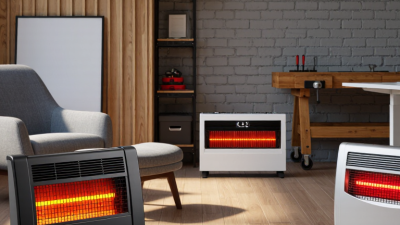
Infrared emitters differ in how quickly they deliver heat and which surfaces they suit. Short-wave units respond quickly and can direct intense heat toward a moving product or a workstation. They are useful when rapid heating matters. However, their bright output may be uncomfortable in a space where people work nearby, so placement and shielding deserve attention.
Medium-wave emitters provide a balance of response time and gentler radiant heat. They are often considered for drying, curing, or heating materials that need steady exposure. Long-wave emitters warm surfaces more gradually and are commonly suited to enclosed spaces, occupied areas, or objects that benefit from even heat. No type wins in every installation. Distance, reflector design, airflow, and the material being heated can change real-world results.
For buyers comparing suppliers, ask for emitter specifications, recommended working distances, and temperature-distribution data for your application. A sample test with the actual material can reveal uneven spots that a catalogue may not show. Small details matter. Check control compatibility and replacement availability, too. I would not choose by wavelength alone; it is easy to overlook installation conditions, and that can lead to disappointing performance.
China Supplier Specifications: Verify 220 V/50 Hz and 1–3 kW Ratings
For buyers comparing China-made infrared electric heaters, the nameplate matters more than a broad “high-efficiency” claim. Confirm that the unit is rated for 220 V and 50 Hz, then check whether its stated input is 1, 2, or 3 kW. At 220 V, these ratings draw approximately 4.5, 9.1, and 13.6 A respectively. The U.S. Department of Energy’s Energy Saver guidance notes that electric resistance heating converts nearly all incoming electricity into heat at the point of use. That does not mean every room feels equally warm: placement, ceiling height, insulation, and radiant direction still matter.
Ask the supplier for a clear rating label, a wiring diagram, and a test report matching the exact model—not just a product family. Check whether the wattage applies at 220 V, and whether controls allow lower output. A 3 kW heater may be unsuitable for a circuit not rated for its load; verify the required supply and connection with a qualified electrician. IEC 60335-2-30 covers safety requirements for room heaters, but a reference to the standard alone is not proof that a particular unit was tested. Small detail, big difference. I would also request confirmation of operating frequency in writing; it is easy to overlook, and specifications can be disappointingly vague.
China Supplier Specifications: 220 V / 50 Hz and 1–3 kW Heater Ratings
Estimated current draw is calculated as power ÷ voltage at 220 V: approximately 4.55 A at 1 kW, 9.09 A at 2 kW, and 13.64 A at 3 kW. These are calculated values, not product test results. Confirm each heater’s nameplate rating and electrical requirements before purchase.
Safety Verification: IEC 60529 IP Codes and IPX4 Splash Protection
For buyers comparing infrared electric heaters, IPX4 is a useful screening point, not a promise of waterproofing. IEC 60529 classifies enclosure protection through IP codes; the “X” means dust protection has not been rated in that code. The “4” indicates protection against splashing water from any direction under the standard test. It does not establish resistance to water jets, immersion, or every real bathroom or patio condition. That distinction matters. Request the test report for the exact heater model, including its cable entries, guards, and mounting orientation. A generic supplier certificate may cover a different configuration.
NFPA’s Home Heating Fires report, based on 2016–2020 estimates, recorded an average of 44,210 home heating-equipment fires annually, with 480 civilian deaths and 1,370 injuries. These figures cover all heating equipment, not infrared heaters alone; they show why enclosure testing cannot replace careful installation and maintenance. Ask suppliers how seals and electrical connections are checked after assembly, and whether the test setup matches your intended use. Look for clear limits on placement near taps, showers, or exposed outdoor areas. IPX4 is useful. But context counts.
Buyer Assessment: Compare Heat Output, MOQ, Warranty, and Test Reports
When comparing an infrared electric heater supplier, ask for heat output in watts and the intended coverage conditions. A 1,500-watt unit may suit a small, insulated room, but drafts, ceiling height, and placement affect comfort. Numbers need context. Request operating instructions that explain mounting distance and recommended use, not just a headline coverage figure.
Check the minimum order quantity against your sales plan and storage capacity. A low MOQ can reduce inventory risk, while a larger order may affect unit pricing or delivery schedules. Get lead times and packaging details in writing. For the warranty, compare its duration, covered components, claim process, and exclusions. A long warranty is less useful if parts, labor, or shipping responsibilities remain unclear.
Test reports should identify the exact heater model and test conditions. Ask which performance or safety checks were completed, when they were performed, and whether the report comes from a qualified testing facility. Ask for evidence. Compare report details with the product specification sheet; small differences in model codes can matter. One imperfect part of supplier assessment is that paperwork may not reveal real-world comfort, so request a sample when practical and check its controls, finish, and heat distribution in your intended setting.