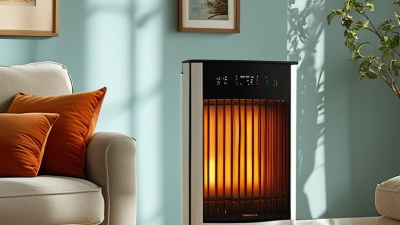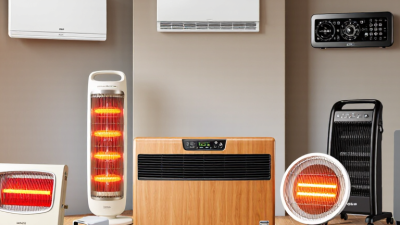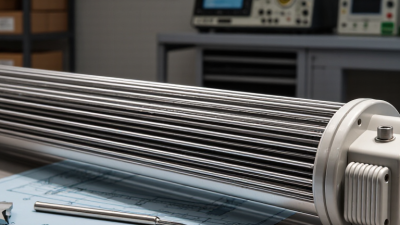
Choosing the right Infrared Heater begins with understanding how your room is used, not simply selecting the highest wattage. A heater beside a reading chair serves a different purpose from one warming a drafty workshop. I have found that comfort depends on placement, ceiling height, insulation, and the distance between the heater and people. Room size matters too. Measure it carefully.
Infrared heating warms people and nearby surfaces directly, creating a gentle feeling similar to standing in sunlight. However, performance varies between carbon, ceramic, and panel designs. Some models feel warm quickly, while others provide steadier background comfort. Check the power rating, adjustable thermostat, timer, noise level, and safety features before buying. Tip-over protection and overheat shutoff deserve attention, especially in homes with children or pets. Product certifications and clear manufacturer instructions also support a safer decision.
Do not trust every promise.
Energy savings are possible, but they depend on usage, insulation, electricity prices, and personal comfort preferences. A small heater may be efficient for focused warmth but unsuitable for an entire open-plan room. I once underestimated cold air near a window; the heater worked, yet the room still felt uneven. That experience matters. The best choice balances heat coverage, operating cost, portability, installation requirements, and daily habits. This guide will help you compare those details honestly, while acknowledging that no single Infrared Heater fits every home.
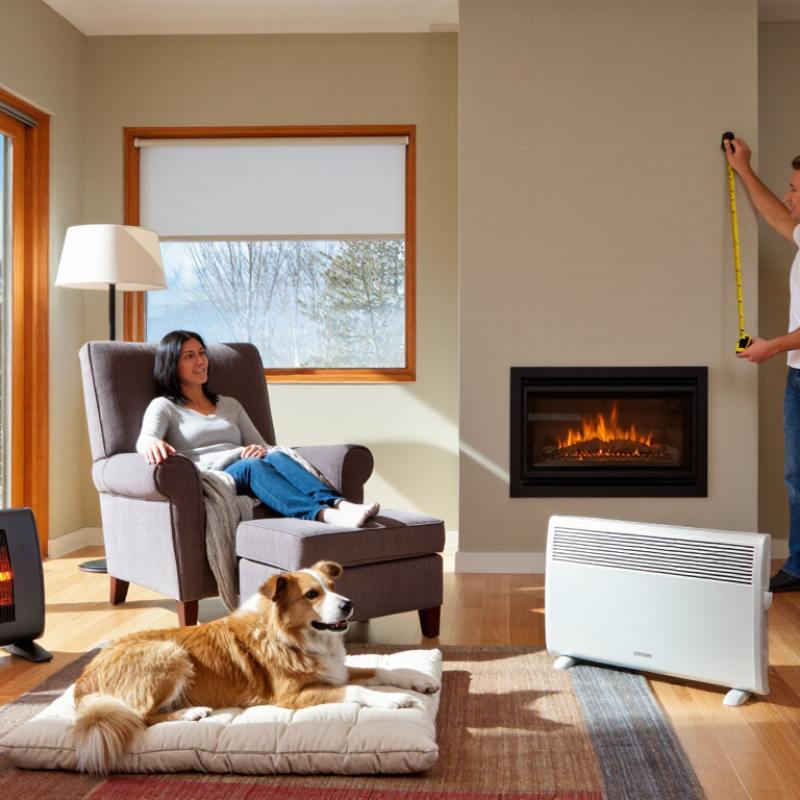
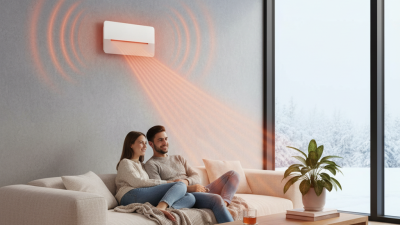
Infrared heaters warm people and objects directly, rather than heating the entire air volume first. Their elements emit invisible infrared radiation. When this energy reaches a sofa, floor, or your skin, those surfaces absorb it and become warmer. The warmed surfaces can then release heat into the room.
Tips: Sit where you plan to use the heater. Notice whether warmth reaches your hands, legs, and upper body evenly. Keep a clear space around the unit, and avoid placing it near curtains or damp areas. A stable floor matters.
Not all warmth is equal. A heater may feel strong within its direct path but weak behind furniture or across a large open space. Room size, ceiling height, insulation, and placement all affect performance. For reliable comfort, check the heater’s coverage guidance and use a thermometer instead of trusting feel alone.
Choosing the best model depends on how you live. A wall-mounted unit can suit a fixed workspace, while a portable heater offers flexibility. Short-wave infrared usually creates a sharper, faster sensation, while longer-wave designs may feel gentler and more suitable for steady indoor comfort. However, these categories are not perfect promises.
I have underestimated how much cold windows can reduce comfort. That mistake taught me to inspect drafts before increasing heater power. Look for adjustable temperature controls, overheat protection, clear operating instructions, and recognized safety certification. A quieter heater may also matter in a bedroom or study.
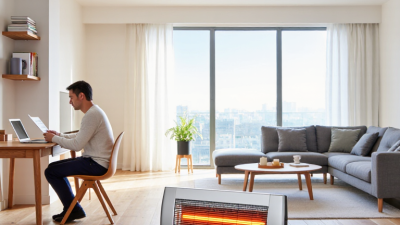
How to Choose the Best Infrared Heater for Your Needs?
Choosing an infrared heater starts with the room, not the appliance. Measure the floor area, ceiling height, window count, and insulation quality. A small bedroom with thick curtains needs less heat than a drafty garage. Consider how you use the space, too. A desk area may need focused warmth, while a living room needs broader coverage. Infrared heat works best when people and frequently used surfaces remain within its heating range.
Check the electrical supply before purchasing. Note the outlet type, circuit capacity, and heater wattage. For permanent installations, a qualified electrician should review the wiring. Keep clear space around the heater, especially near curtains, furniture, and bedding. Manufacturer instructions remain essential because operating distances can vary. A thermometer can help you compare room temperature at floor level and seated height. The difference may surprise you. I would not rely on a wattage chart alone; insulation and air leakage can change comfort dramatically.
Tips: List the coldest room conditions, not the average ones. Test the heater during the evening, when drafts are easier to notice. Use a timer or thermostat for steady comfort. Avoid placing the unit behind furniture. If the room still feels uneven, repositioning may help more than buying a larger heater. Small changes matter.
| Room Area | Typical Heating Need | Suggested Heater Output* | Suitable Heater Type | Important Room Requirements | Recommended Features |
|---|---|---|---|---|---|
| Up to 100 sq. ft. (up to 9 m²) |
Personal comfort or spot heating | 500–1,000 W | Portable infrared panel or compact radiant heater | Small, enclosed space with limited drafts | Adjustable thermostat, tip-over protection, overheat protection, quiet operation |
| 101–200 sq. ft. (9–19 m²) |
Heating a bedroom, office, or small living area | 1,000–1,500 W | Portable infrared heater or wall-mounted panel | Average insulation and standard ceiling height | Multiple heat settings, timer, remote control, accurate temperature sensor |
| 201–400 sq. ft. (19–37 m²) |
Primary heating for a medium-sized room | 1,500–2,000 W | High-output infrared heater or ceiling/wall-mounted unit | Good airflow and suitable electrical capacity; reduce drafts around doors and windows | Programmable thermostat, energy-saving mode, wide heat distribution, wall-mounting hardware |
| 401–600 sq. ft. (37–56 m²) |
Heating a large living room, studio, or open-plan area | 2,000–3,000 W total | Two coordinated infrared heaters or a professionally installed system | Open layout, higher heat loss, or ceilings above approximately 8 ft (2.4 m) | Independent thermostatic control, overheat protection, zoned heating, hardwired installation where required |
| Garage, workshop, or covered outdoor area | Directed warmth for people or workstations | 1,500–3,000 W, depending on size and exposure | Directional infrared tube or ceiling-mounted radiant heater | Adequate clearance, weather suitability, and electrical protection | Adjustable mounting angle, weather-resistant construction where applicable, dedicated circuit, safety grille |
| Bathroom or damp location | Short-duration comfort heating | 1,000–1,500 W | Fixed infrared panel specifically approved for damp locations | The heater must have the required moisture-resistance rating and safe clearance from water | Moisture protection, wall mounting, timer, residual-current protection where required by local regulations |
*Output figures are general planning estimates for rooms with average insulation and ceiling heights. Actual requirements depend on climate, insulation, windows, air leakage, ceiling height, desired temperature, and local electrical regulations. Always follow the heater manufacturer's clearance and installation instructions.
Choosing an infrared heater starts with the room, not the wattage label. Quartz and halogen elements warm quickly, making them useful for a chilly desk or a small seating area. Ceramic infrared models often provide steadier radiant warmth, while panel heaters spread gentler heat across a wall or ceiling. The differences matter. A narrow beam can feel pleasant on your hands but leave your feet cold. Check the heater’s stated coverage, then consider drafts, ceiling height, and where people actually sit.
Features shape everyday comfort. A thermostat helps prevent overheating; adjustable output suits changing weather; a timer can limit unnecessary runtime. Look for tip-over and overheat protection, especially in homes with pets or children. The U.S. Department of Energy’s Energy Saver guidance explains that electric resistance heaters convert nearly all the electricity they consume into heat at the point of use. That does not make every heater inexpensive to run: electricity prices, room size, and operating hours still matter. Infrared warmth is direct. A chair outside its range may remain cool, even when the heater is working normally. One detail is easy to miss: advertised coverage is not a promise of even warmth in every room. Test the placement, and be willing to move it.
How to Choose the Best Infrared Heater for Your Needs?
Evaluating Safety, Energy Use, and Operating Costs
A heater’s advertised wattage tells only part of the story. Check its safety features, including overheat protection and a tip-over shutoff, and follow the clearance distances in its manual. Keep it on a stable, level floor, away from curtains, bedding, and foot traffic. Avoid covering it or leaving it running unattended. If the plug or outlet feels unusually hot, switch the unit off and investigate rather than assuming it is normal.
Infrared heaters warm nearby people and surfaces, so they can feel effective in a drafty room without heating every corner evenly. That comfort can be useful at a desk, but it may disappoint in a large, poorly insulated space. Estimate electricity cost by multiplying the heater’s kilowatts by hours used, then by your electricity rate. For example, a 1.5-kilowatt heater running four hours uses about six kilowatt-hours. Actual use may vary if the thermostat cycles the heater on and off. I once focused too much on purchase price; the room’s insulation mattered more than expected. Compare running cost, room size, and safety guidance before choosing.
Estimated seasonal electricity cost for example heater wattages. Estimates assume electricity costs $0.16 per kWh and the heater runs 4 hours per day for 120 days. Actual costs depend on local electricity rates, usage, and the heater’s thermostat.
Safety matters: Choose a heater with recognized safety certification and tip-over and overheat protection. Follow the manufacturer’s clearance instructions, keep the heater at least 3 feet from anything that can burn, and plug it directly into a wall outlet.
Choosing an infrared heater means matching its coverage to the way you use a room. Infrared heat warms people and nearby surfaces directly, making it useful beside a desk or in a frequently occupied corner. For more even whole-room warmth, check the heater’s stated coverage and your room’s insulation, ceiling height, and drafts. A cold tiled floor can change how comfortable a room feels. It is easy to overlook.
Budget for electricity, not just the purchase price. The U.S. Energy Information Administration’s Electric Power Annual 2022 reported an average residential electricity price of 15.12 cents per kilowatt-hour. At that rate, a 1,500-watt heater running five hours daily for 30 days would use 225 kilowatt-hours and cost about $34, before taxes or local rate differences. Your bill may differ. DOE Energy Saver guidance notes that radiant heating can suit spaces used for short periods, since it directs warmth toward people and objects. Compare thermostat controls, timers, and safety clearances, too. A lower-priced unit may cost more to run if it stays on longer. I would still treat coverage charts as estimates; real rooms are messier than the numbers suggest.