7 Best Infrared Electric Heaters for Global Buyers
Choosing the right electric heater can feel surprisingly difficult. Room size, insulation, electricity costs, safety features, and climate all influence the decision. A model that warms a drafty workshop may feel excessive in a small bedroom. That difference matters.
This guide reviews seven strong options for global buyers seeking an Infared Electric Heater. The spelling appears in many searches, although “infrared electric heater” is the standard term. We consider heating performance, controls, portability, build quality, energy use, and manufacturer support. Practical details matter here. A heater should warm people and surfaces steadily, without creating distracting noise or complicated settings.
Real homes rarely match laboratory conditions. A 1,500-watt unit may perform differently in a high-ceilinged room or near an unsealed window. Please check the voltage, plug type, certification marks, and local installation requirements before buying. Product availability also changes across regions, so specifications should be confirmed on the official manufacturer page. We have emphasized observable features rather than exaggerated promises.
Some choices may seem obvious. They are not always right. A compact panel can suit a desk area, while a radiant tower may better serve a cold living room. Personal comfort remains subjective, and no review can replace careful measurement. Consider the room’s dimensions, daily heating habits, and ventilation needs. Safe placement is essential. Keep fabric, paper, and furniture away from the heating surface. Use built-in protection features, and never treat a heater as a substitute for professional heating advice.
What Infrared Electric Heaters Are and How They Work
Infrared electric heaters produce radiant heat through electrically heated elements. Unlike conventional heaters, they do not mainly warm the air first. Their infrared energy travels across the room and warms people, floors, walls, and furniture directly. You may notice warmth on your hands before the entire room feels comfortable.
Most models use resistance wires, ceramic panels, or heated carbon elements. Electricity passes through the element, creating heat. A reflector helps direct that energy toward the living area. This process is quiet and produces no indoor combustion gases. However, “infrared” does not automatically mean lower energy use. A poorly insulated room can still lose heat quickly, even with a powerful heater.
Tips: Place the heater where its radiant path remains clear. Keep curtains, bedding, and furniture away from hot surfaces. Check the required voltage before buying for another country. Look for a thermostat, overheating protection, and recognized electrical certification. In practical use, comfort depends on distance and room layout. A heater may feel excellent beside a desk but disappoint across a large lounge. That limitation is easy to overlook.
Key Features Global Buyers Should Compare
7 Best Infrared Electric Heaters for Global Buyers
Key Features Global Buyers Should Compare
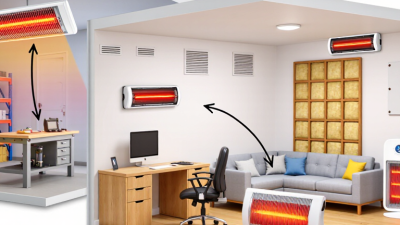
Choosing an infrared electric heater requires more than checking its advertised heat output. Compare wattage with room size, ceiling height, insulation, and local electricity prices. A 1,500-watt unit may warm a small office well, but it can struggle in a drafty workshop. Measure twice. Infrared panels, quartz tubes, and carbon elements also deliver different heating patterns. Panels provide gentle, even warmth, while tube heaters create stronger directional heat near a sofa or workbench.
Temperature control deserves close attention. Look for an adjustable thermostat, multiple power levels, timer settings, and an easy-to-read display. A remote control helps when the heater is mounted high, but physical buttons remain useful if batteries fail. Safety features should include overheat protection, tip-over shutoff for portable models, and a stable base. For bathrooms or covered outdoor areas, verify the appropriate water-resistance rating and installation requirements.
Global buyers must check voltage, frequency, plug design, and electrical certification for their destination. Compatibility problems can create heat damage, not just inconvenience. Review the cable length, wall-mount hardware, noise level, and replacement-part availability. A clear warranty and responsive service network add practical value. Still, no feature list is perfect. Marketing often exaggerates coverage, so compare tested room conditions rather than relying on one impressive number. Keep flammable curtains, bedding, and paper away from the heating surface.
7 Best Infrared Electric Heaters for Global Buyers — Key Features Global Buyers Should Compare
This comparison uses common nominal power ratings found across infrared heating formats, from compact 350 W panels to high-output 2,000 W units. Higher wattage can support larger spaces, but buyers should also compare room insulation, voltage compatibility, thermostat control, installation method, safety certification, and indoor or outdoor IP rating. Actual coverage varies by climate, ceiling height, insulation, and installation conditions.
Seven Top Infrared Electric Heaters for Different Needs
Seven Top Infrared Electric Heaters for Different Needs
A portable quartz heater suits renters, home offices, and small bedrooms. It delivers fast, directional warmth beside a desk or reading chair. A carbon infrared heater feels gentler across wider areas. I prefer it for living rooms because its heat spreads beyond one narrow beam. A wall-mounted panel keeps floors clear and offers quiet, steady warmth. Its slim surface works well in bedrooms, hallways, and compact apartments.
For damp bathrooms, choose a heater with suitable moisture protection, grounded wiring, and automatic shutoff. Always check local electrical requirements. A ceiling-mounted infrared heater saves wall space and warms dining areas without blocking furniture. A high-output outdoor heater can serve covered patios, but wind reduces its performance sharply. A garage-focused model should include sturdy housing, overheat protection, and a stable mounting system. Do not place it near fuel, paint, or stored chemicals.
A heater with thermostat control helps prevent uncomfortable temperature swings. Models with timers may reduce wasted electricity during short heating periods. I once trusted a low-cost unit with poor controls, and the room became unevenly warm. That experience changed my checklist. I now inspect the cord, plug, mounting instructions, safety certification, and replacement-part support. Infrared warmth feels immediate, but insulation still matters. A powerful heater cannot fully correct a drafty window or an oversized room. User reviews help, yet measured wattage and coverage information deserve more attention.
Safety, Energy Use, and Installation Considerations
Choosing among the seven best infrared electric heaters starts with the room, not the product image. Infrared models warm people and surfaces directly, so placement matters more than advertised wattage. In a drafty workshop, a heater may feel weak despite drawing full power. I have seen users angle units toward walls and waste useful radiant coverage. Keep the heating face clear of curtains, bedding, paper, and stored materials. Never cover the unit. A cool-touch grille helps, but it does not remove burn risk.
Energy use depends on runtime, thermostat control, insulation, and local electricity rates. A 1,500-watt heater uses 1.5 kilowatt-hours each hour at full output. That figure is easy to miss. Zonal heating can reduce waste when one occupied area needs warmth. Look for adjustable output, a reliable thermostat, overheat protection, and automatic shutoff. Infrared heating is not magically more efficient than resistance heating; it may feel efficient because it heats occupants directly. Check independent safety certification suitable for the destination market.
Installation should match location and electrical capacity. Use a grounded outlet, and avoid extension cords unless the instructions permit them. Wall or ceiling mounting needs secure fixings and specified clearances. Bathrooms, patios, and dusty work areas require equipment designed for those conditions. An electrician should check permanent wiring or high-load circuits. I once underestimated ceiling height when planning coverage; the far corner stayed cold. Measure the room, mark the beam, and test comfort before final mounting.
How to Choose the Right Infrared Heater Worldwide
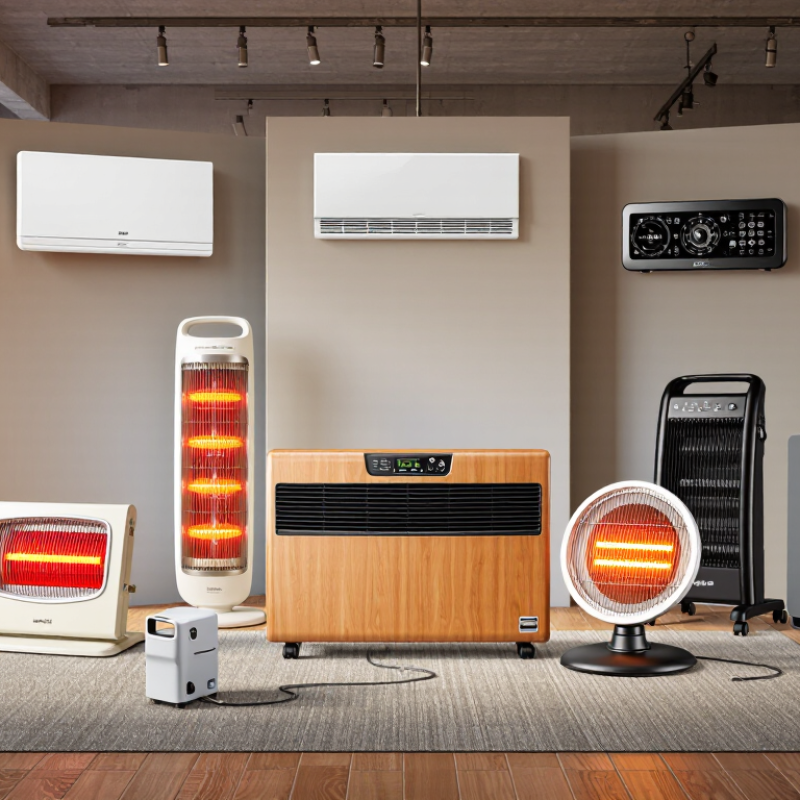
Choosing an infrared heater worldwide begins with the room, not the product photo. In practical comparisons, panel, tube, ceiling, portable, bathroom-rated, outdoor, and hybrid models serve different needs. A compact panel suits a study with steady insulation. A radiant tube heater feels stronger across a chilly patio. Measure the occupied area and ceiling height. Then check wattage, mounting distance, and thermostat accuracy. Bigger is not automatically better.
Electrical compatibility can decide whether a good heater is usable. Confirm voltage, frequency, plug type, and circuit capacity before ordering. A model designed for 230 volts may fail or create danger on a 120-volt circuit. Look for recognized safety certification in the destination market. For damp rooms, verify an appropriate ingress-protection rating, not vague “water-resistant” wording. Keep curtains, bedding, and furniture clear of hot surfaces. This advice sounds obvious. People still overlook it.
Choose controls that match real habits: a timer for bedrooms, a remote for high ceilings, or a precise thermostat for offices. Carbon or quartz emitters heat quickly, while far-infrared panels often feel gentler and spread warmth more evenly. Compare warranty terms, replacement parts, energy labeling, and installer support. Claims about “zero energy loss” deserve skepticism. Insulation, airflow, and thermostat settings still control consumption. I would also test noise and surface temperature, because catalog figures rarely show everyday comfort.