Top 10 Tips for Choosing the Best Infrared Heater
Choosing the right infrared heater can significantly impact your comfort and energy efficiency. These heaters offer quick and targeted warmth, making them popular for various settings. However, not all infrared heaters are created equal. The market is flooded with options, which can be overwhelming.
When selecting an infrared heater, consider factors such as size, wattage, and safety features. Understanding these elements can prevent poor choices. Many people overlook essential details, leading to dissatisfaction. A well-informed decision often reflects personal needs and room characteristics.
Researching different brands and reading reviews can feel exhausting. Yet, it is crucial for reliable information. Not every heater will suit your requirements, so take time to explore. Finding the perfect heater may take effort, but the benefits are worth it. In the end, the right infrared heater can transform your living space into a cozy haven.
Understanding Infrared Heating Technology
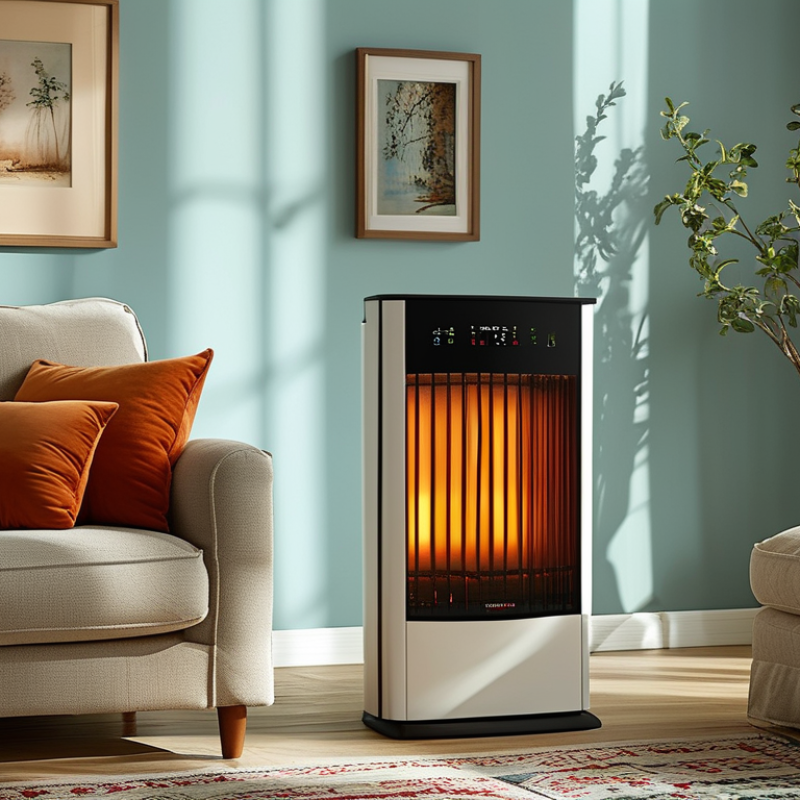
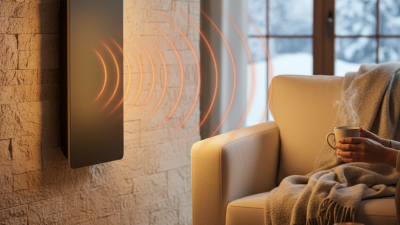
Infrared heating technology has gained popularity due to its efficiency and effectiveness. Unlike conventional heaters that warm the air, infrared heaters emit radiant heat directly to objects and people. This approach creates a cozy environment quickly. You feel warm as soon as you step into the heat zone.
Choosing the right infrared heater requires understanding its key components. Look for heaters that offer various heat settings. Some models include adjustable temperature controls, allowing you to customize your comfort. Pay attention to safety features too. Overheat protection and tip-over switches ensure safe operation in your home.
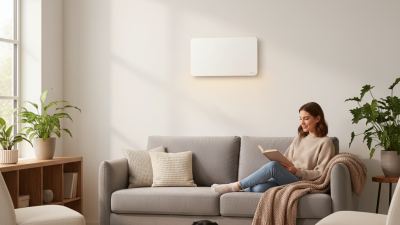
Many people may overlook the importance of heater placement. Positioning the heater correctly enhances its effectiveness. Ensure it’s placed at a safe distance from walls and flammable objects. It is a common mistake to crowd the heater. Proper airflow is crucial for optimal heating. Assessing your space will lead to a better choice, and may prevent unnecessary risks.
Evaluating Size and Heating Capacity for Your Space
Choosing the right infrared heater starts with understanding your space. The size of the room greatly influences heating capacity. Measure the length, width, and height of the area you want to warm. This helps determine the heater's wattage needs. A small space requires less power, while larger areas benefit from higher wattage.
Consider insulation as well. Rooms with poor insulation may demand more heating capacity. Check windows and doors for drafts. If you're in a colder climate, you might need a more powerful unit. Don’t overlook ceiling height; taller rooms can be challenging to heat effectively.
Estimating the correct heater size can be tricky. Overestimating results in wasted energy; underestimating leaves you cold. Think about your usage patterns, too. Will you use the heater frequently? If so, opt for efficiency. But, if it’s occasional, a smaller model might suffice. Make informed choices based on these factors for better comfort and savings.
Considering Energy Efficiency and Operating Costs
When selecting an infrared heater, energy efficiency is crucial. Look for models that have high energy ratings. This means they convert more electricity into heat, minimizing energy waste. A heater with a good rating can significantly reduce your utility bills. Calculating long-term costs is vital. A slightly more expensive purchase may save you money over time through reduced energy use.
Operating costs should be a priority in your decision. Consider how often you’ll use the heater. If you plan to run it daily, choose one that is not only efficient but has adjustable settings. Many heaters allow you to customize settings, thus optimizing energy consumption. Think about your space too. A larger room may need a more powerful unit.
Reflecting on your needs is essential. Do you need instant warmth or longer heating durations? Instant heaters may use more energy quickly but can provide quick comfort. On the other hand, longer heating options can be more energy-efficient over time. Balancing your immediate comfort with energy savings is crucial for a wise investment.
Top 10 Tips for Choosing the Best Infrared Heater
This chart compares the energy efficiency ratings and operating costs of different infrared heaters based on typical usage scenarios. Consider these factors when making your choice.
Examining Safety Features in Infrared Heaters
When choosing an infrared heater, safety features are crucial. These heaters should include overheat protection. This feature automatically shuts off the unit if it gets too hot, preventing potential fires.
Consider the heater's cool-to-touch surfaces. Some models have this feature, ensuring that children and pets are safe while the heater is operating. In addition, look for units with tip-over protection. This ensures the heater turns off if knocked over, reducing the risk of accidents.
Testing each heater's safety features is vital. Read reliable reviews to learn about the experiences of other users. Aim for models that have undergone rigorous safety testing. Ultimately, a safe infrared heater not only warms your space but also provides peace of mind.
When evaluating features, remember that price doesn’t always reflect safety. Sometimes, less expensive options provide adequate safety features. Don't skip the fine print; ensure the heater meets safety certifications. This diligence can save you from potential hazards.
Top 10 Tips for Choosing the Best Infrared Heater - Examining Safety Features in Infrared Heaters
| Feature |
Importance |
Recommended Specifications |
| Safety Shut-off |
Prevents overheating |
Automatic shut-off when tipped over or overheated |
| Tip-Over Protection |
Reduces fire risk |
Sensor that disables heater if it falls |
| Overheat Protection |
Ensures safe operation |
Thermostat that turns off heater if it exceeds safe temperature |
| Cool-to-Touch Exterior |
Prevents burns |
Material that remains cool even when in use |
| Child Safety Lock |
Prevents accidental adjustments |
Lock feature for high controls |
| Remote Control |
Convenience and safety |
Allows adjustment from a distance |
| Noise Level |
Comfort during operation |
Quiet operation features |
| Warranty |
Protection against defects |
At least 1 year |
| Portability |
Flexibility in use |
Wheels or lightweight design |
| Efficiency Rating |
Cost-effectiveness |
High-efficiency models typically rated above 90% |
Assessing Noise Levels and Aesthetic Design Options
When choosing an infrared heater, two important aspects to consider are noise levels and aesthetic design. Infrared heaters come in various designs. Some are sleek and modern, while others have a traditional look. Selecting a heater that fits well with your interior can enhance the overall atmosphere of your space.
Noise levels can significantly influence your comfort. Many infrared heaters operate quietly, but a few models might produce noticeable sounds. It's wise to check customer reviews to understand real-life experiences. Look for heaters labeled as "silent” or “quiet." Remember, your preference for silence might differ from others.
Consider how often you use the heater. If you need it for extended periods, investing in a quieter model makes sense. Also, think about energy efficiency. A beautifully designed heater that consumes more energy might defeat your purpose. Balancing aesthetics with functional performance can be challenging but crucial for long-term satisfaction.