7 Best Ceramic Band Heaters for Industrial Use
Choosing a Ceramic Band Heater is not just a matter of matching a diameter. In a plastics plant, a heater may sit around a steel barrel for long shifts, facing vibration, dust, and repeated temperature changes. A small gap beneath the band can create uneven heating. Poorly matched wattage can cause slow recovery or hot spots. Details matter.
Heat-transfer author Frank P. Incropera provides a useful foundation, though the following is a paraphrase of his broader teaching, not a verbatim quotation: “Heat moves through a system according to its path and conditions, not simply its source.” That principle applies to band-heater selection. Fit, insulation, element design, temperature control, and operating conditions all influence performance. No single model suits every machine.
This guide compares seven ceramic band heaters for industrial use, focusing on practical selection factors rather than impressive-sounding claims. We consider construction, available sizes, heat distribution, and suitability for demanding production environments. A heater that works well on one extruder may disappoint on another. That is easy to overlook. Check the barrel dimensions and controller requirements before comparing prices, and verify each specification with the manufacturer. The shortlist can help narrow options, but it cannot replace a careful review of your equipment.
What Ceramic Band Heaters Are and How They Work
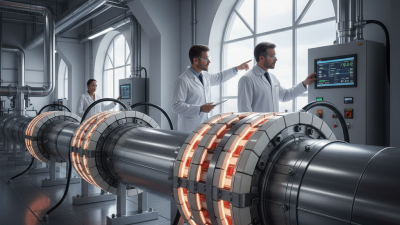
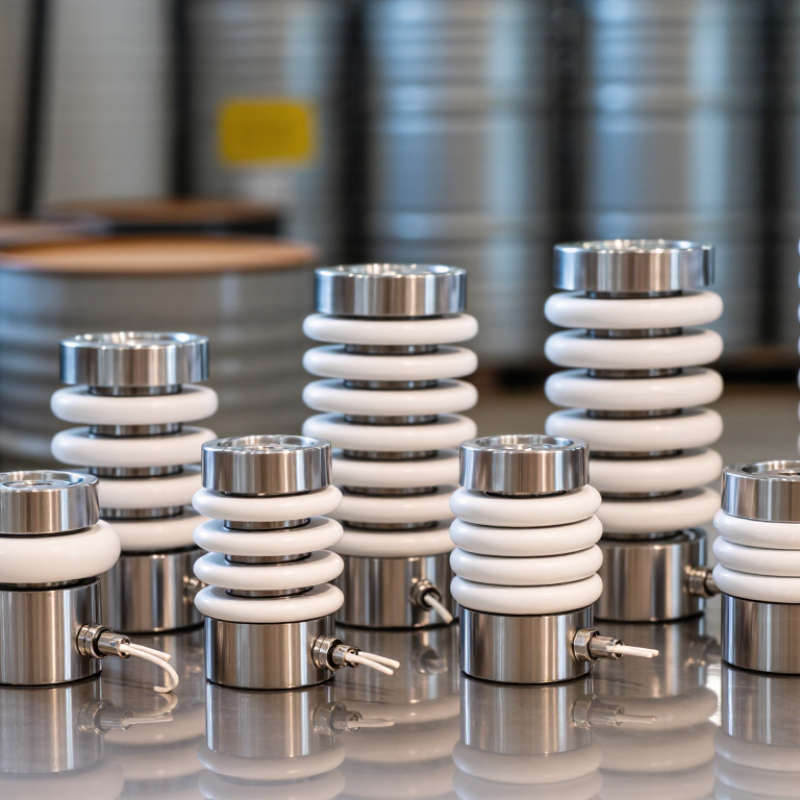
Ceramic band heaters are circular electric heaters that clamp around cylinders such as injection-molding barrels or extrusion equipment. Inside the metal jacket, resistance wire runs through shaped ceramic tiles. The tiles support the coil and reduce heat loss outward. When electricity flows, the wire heats the ceramic and shell, which transfer heat to the machine surface. A snug fit matters. Gaps can cause uneven heating, slower warm-up, and extra stress on the element. Overtightening can crack tiles or distort the band. The heater itself does not control temperature; a separate sensor and controller typically monitor the barrel and switch power as needed.
That is the basic idea. Ceramic insulation can support higher operating temperatures than some simpler heater designs, but safe limits depend on construction and installation. Before fitting a heater, technicians check cylinder diameter, band width, voltage, wattage, lead routing, and sensor position. They also inspect for cracked ceramic, loose clamps, and signs of hot spots after the equipment cools. Small details count. A heater may still work while poor contact leaves one section cold and another overheated. Maximum temperature is not always the right target; even, stable heat is often more useful. Specifications help, but a worn or uneven barrel can still change the result.
Industrial Applications and Operating Requirements
Ceramic band heaters are used on injection-molding barrels, extrusion lines, and pipes where heat must stay close to a metal surface. They suit compact heating zones, but only when the band fits tightly and transfers heat evenly. The U.S. Department of Energy’s 2015 Improving Process Heating System Performance sourcebook estimates that process heating uses about 2.3 quadrillion Btu annually, or roughly 17% of U.S. industrial energy use. That figure covers process heating broadly, not ceramic band heaters alone. The distinction matters.
Industrial operating conditions shape heater selection. Measure the barrel diameter, available clearance, target temperature, and warm-up time before specifying wattage. On a plastics line, resin residue or a loose band can create hot spots; a thermocouple placed poorly may hide them. Use suitable temperature controls, secure leads away from moving parts, and inspect terminals during planned maintenance. Dust, vibration, and frequent thermal cycling can shorten service life. Check the actual duty cycle.
A calculated watt density is only a starting point. Real machines lose heat through brackets, airflow, and imperfect contact. DOE guidance emphasizes evaluating the whole heating system, rather than one component in isolation. That approach is practical, though not always convenient during a rushed replacement. Record surface temperatures at several points after installation, then adjust the control settings if readings drift. A small gap can matter.
Key Factors for Selecting a Ceramic Band Heater
Selecting a ceramic band heater starts with the barrel, not the catalog. Measure its outside diameter and heated width carefully; even a small gap can slow heat transfer. Check the required operating temperature, supply voltage, and available power. Watt density matters, too. A high value may heat quickly but can create hot spots if the process or mounting is uneven. Fit matters.
Consider the heater’s insulation, terminal style, and working environment. Ceramic components tolerate high temperatures, but terminals and lead wires still need protection from heat, vibration, and material spills. Confirm that the heater’s rated temperature and electrical specifications suit the machine’s actual conditions. Do not guess. Process changes can make an otherwise suitable heater perform poorly, and the right choice may need testing on the equipment.
Tips: Measure the barrel when cool, and verify dimensions at several points. Ask the supplier for a wiring diagram and installation clearance. Recheck clamping after initial heating; components can shift slightly as they warm.
Before purchase, compare expected warm-up time with the heater’s available wattage and your production cycle. A heater that is oversized may not improve output, while an undersized unit may struggle to hold temperature. Keep a record of operating temperature, cycle time, and maintenance issues. Those details make later selections more reliable. One limitation: published ratings cannot fully predict performance on a worn or irregular barrel.
Ceramic Band Heater Selection: Temperature Conversion Reference
Use these Celsius-to-Fahrenheit conversions when comparing process setpoints. They are reference temperatures, not heater ratings; confirm the heater’s operating limits for your specific application.
Seven Ceramic Band Heaters for Industrial Use
Seven Ceramic Band Heaters for Industrial Use
Choosing among seven practical ceramic band heater configurations starts with the barrel and process: standard, split, hinged, one-piece, terminal-box, lead-wire, and high-watt-density designs. These options suit different access needs, wiring setups, and heating demands. Measure the barrel diameter and heated width carefully; a small gap can create uneven contact and slow heat transfer. For frequent maintenance, a hinged or split design may be easier to remove than a one-piece unit. Still, a tidy specification sheet cannot reveal every installation problem.
The International Energy Agency’s Energy Efficiency 2023 report states that industry accounted for about 37% of global energy consumption in 2022. That figure covers the wider industrial sector, not band heaters alone, but it shows why process heat deserves attention. Ceramic insulation can help reduce heat loss from the heater surface, while correctly matched wattage and temperature control support stable operation. Check the heater’s voltage, maximum temperature, and sensor placement against the machine’s actual conditions. A heater that is too powerful may overshoot; one that is undersized may struggle to maintain temperature.
Tips: Before ordering, record barrel size, available clearance, voltage, and target temperature. After installation, check clamping and temperature uniformity during a controlled startup. Small details matter. Recheck them after maintenance.
7 Best Ceramic Band Heaters for Industrial Use
These are seven common ceramic band heater configurations for industrial applications. Dimensions and operating figures are typical design ranges; actual specifications vary by heater and installation.
| Configuration |
Typical Barrel Diameter |
Typical Band Width |
Common Supply Voltage |
Typical Watt Density |
Typical Maximum Sheath Temperature |
Common Industrial Use |
| Compact, narrow-band heater |
1.5–4 in (38–102 mm) |
1.5–2 in (38–51 mm) |
120 or 240 V |
25–35 W/in² |
Up to approximately 1,200°F (650°C) |
Small injection-molding barrels, laboratory extruders, and compact process equipment |
| General-purpose production heater |
2–12 in (51–305 mm) |
2–3 in (51–76 mm) |
120, 240, or 480 V |
30–40 W/in² |
Up to approximately 1,200°F (650°C) |
Plastic-processing barrels and general-purpose extrusion equipment |
| Wide-band heater |
4–16 in (102–406 mm) |
4–6 in (102–152 mm) |
240 or 480 V |
25–35 W/in² |
Up to approximately 1,200°F (650°C) |
Larger barrels where broader surface coverage and distributed heat are required |
| High-watt-density heater |
2–10 in (51–254 mm) |
2–4 in (51–102 mm) |
240 or 480 V |
40–50 W/in² |
Up to approximately 1,200°F (650°C) |
Applications requiring faster heat-up, when the equipment and material permit higher heat input |
| Low-watt-density heater |
3–16 in (76–406 mm) |
2–6 in (51–152 mm) |
120, 240, or 480 V |
15–25 W/in² |
Up to approximately 1,200°F (650°C) |
Temperature-sensitive processes and installations where a lower heat input per unit area is preferred |
| High-temperature process heater |
2–12 in (51–305 mm) |
2–4 in (51–102 mm) |
240 or 480 V |
25–40 W/in² |
Typically up to approximately 1,200°F (650°C), subject to design limits |
Elevated-temperature plastic processing and other equipment designed for high sheath temperatures |
| Custom-fit split or hinged heater |
3–20 in (76–508 mm) |
2–6 in (51–152 mm) |
120, 240, or 480 V |
20–40 W/in² |
Up to approximately 1,200°F (650°C) |
Barrels or process lines where access for installation, removal, or maintenance is important |
Comparing Heater Performance, Fit, and Maintenance
A useful shortlist of seven ceramic band-heater options includes standard, split-shell, hinged, low-watt-density, high-watt-density, insulated, and custom-fit designs. Compare them by temperature stability, installation access, and service life—not wattage alone. The U.S. Department of Energy’s 2008 Improving Process Heating System Performance sourcebook estimates that process heating accounts for about 29% of manufacturing energy use. That makes heat loss and poor fit worth measuring.
Start with the barrel’s actual diameter, heater width, clamp range, and lead clearance. A loose band can create uneven contact; an oversized unit may leave hot and cold zones. Check the required operating temperature and watt density against the material and process. High watt density may heat quickly, but it can also stress sensitive surfaces. Not always an upgrade.
Maintenance checks should include loose clamps, damaged ceramic blocks, discolored terminals, and worn leads. Record surface temperatures at repeatable points after warm-up. A simple log can reveal drift before it disrupts production. DOE’s sourcebook also recommends evaluating process-heating systems as a whole, rather than treating the heater as an isolated component. In practice, a heater that fits neatly but is difficult to inspect may cost more downtime than expected. That trade-off is easy to miss.