Best Heating Air Systems for Efficient Home Comfort?
When it comes to creating a comfortable home, efficient Heating Air Systems play a crucial role. According to John Smith, an expert in HVAC systems, "Choosing the right heating system can transform your living environment." Homeowners often face challenges in selecting the best options that meet their needs.
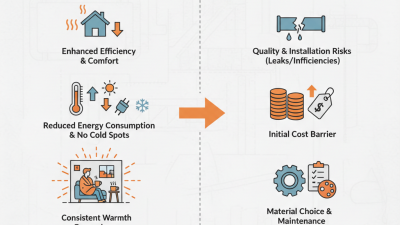
With advancements in technology, heating systems have evolved significantly. Energy efficiency is now a top priority. Modern Heating Air Systems offer not only comfort but also reduced energy costs. Yet, many homeowners still underestimate the importance of proper installation and maintenance. This can lead to inefficiencies and higher bills.
Understanding the different types of Heating Air Systems is essential. Options range from traditional furnaces to modern heat pumps. Each system has unique benefits and drawbacks. Homeowners need to reflect on their specific requirements and long-term goals. A well-informed choice can enhance comfort and improve efficiency.

Factors to Consider When Choosing Heating Air Systems
When choosing a heating air system, several factors demand attention. Efficiency is crucial. Look for systems that offer high energy efficiency ratings. Efficient systems reduce energy bills and minimize environmental impacts. They are better for your wallet and the planet.
Consider the size of your home. A system too small will struggle to keep you warm. Conversely, an oversized system may result in rapid cycling, which wastes energy. Accurate sizing is essential. Consult with professionals to find the right fit for your space.
Types of heating systems vary, each with unique benefits. Heat pumps are suitable for milder climates, while furnaces can provide robust heat in colder regions. Evaluate your climate before making a decision.
Sometimes, installation quality impacts performance. Poorly installed systems may lead to frequent repairs or inefficiency. Invest in skilled technicians for a reliable system.
Think about noise levels, too. Some systems operate quietly, while others can be disruptive. Choose a model that suits your comfort preferences. Remember, comfort goes beyond temperature—noise affects your daily life.
Best Heating Air Systems for Efficient Home Comfort
| System Type |
Energy Efficiency (AFUE Rating) |
Heating Capacity (BTU/hr) |
Noise Level (dB) |
Estimated Cost ($) |
| Central Gas Furnace |
90-98% |
40,000 - 100,000 |
60-70 |
2,500 - 5,000 |
| Electric Heat Pump |
8.0 - 10.0 HSPF |
24,000 - 60,000 |
50-60 |
3,000 - 7,000 |
| Ductless Mini-Split |
18-24 SEER |
9,000 - 36,000 |
30-45 |
3,000 - 5,500 |
| Radiant Floor Heating |
N/A |
Varies by Setup |
Silent |
5,000 - 10,000 |
Types of Heating Air Systems Available for Home Use
When considering heating air systems for home use, understanding the various types can greatly enhance efficiency and comfort. Central heating systems utilize a furnace to distribute warm air through ducts in your home. They provide consistent heat across various rooms, but installation can be costly and complex.
Alternatively, ductless mini-split systems offer zoned heating without extensive ductwork. This flexibility allows you to heat only certain areas as needed. They are often easier to install and can save energy. However, their upfront costs can still be significant.
Radiant heating systems, using electric or hydronic methods, heat floors directly. This technology enhances comfort by warming surfaces. It feels pleasant but can require careful planning for installation. Each system has its strengths and weaknesses, making it crucial to assess your home's specific needs before deciding. Make sure to reflect on energy efficiency and long-term costs as you explore your options.
Energy Efficiency Ratings and Their Importance
Energy efficiency ratings are crucial when selecting heating and air systems for your home. These ratings reflect how much energy a system consumes compared to its output. Higher ratings indicate better efficiency, which can lead to significant savings on energy bills. Understanding these ratings helps homeowners make informed decisions.
When evaluating systems, consider energy-saving features. Programmable thermostats and variable-speed motors can enhance efficiency. An efficient system not only saves money but also reduces environmental impact. Many homeowners overlook maintenance, but regular check-ups on systems can improve performance and longevity. A dirty filter can hinder efficiency, so replace it regularly.
It's important to assess your home's insulation, too. Poor insulation can cause energy loss and diminish a system's effectiveness. Upgrading insulation can complement your heating and air system, ensuring that energy stays within your home. This way, you're not just investing in a system; you're enhancing your overall comfort. Always remember to research local energy codes and incentives, as they can guide you toward the most efficient options available.
Maintenance Tips for Optimal Performance of Heating Systems
Maintaining your heating system is crucial for ensuring home comfort during colder months. Regular check-ups can lead to optimal performance and efficiency. Start with a simple filter change. Clogged filters reduce airflow and strain the system. Make this a routine task. Ideally, check filters monthly, especially in peak usage seasons. Clean filters can enhance your system's lifespan.
Another key area to focus on is the thermostat settings. Programmable thermostats allow you to set a schedule that aligns with your lifestyle. In many homes, heating systems are overused during unoccupied hours, leading to unnecessary energy bills. Assess your usage patterns and adjust the settings accordingly. This small change can make a significant difference.
Remember to schedule professional inspections annually. Trained technicians can spot issues that may go unnoticed. They will clean components and ensure everything works correctly. This proactive approach can prevent major repairs down the line. Heating systems often operate silently until something goes wrong. Regular maintenance helps catch problems early, ensuring your home remains cozy and warm.
Benefits of Smart Thermostats in Home Comfort Solutions
Smart thermostats have revolutionized home heating and cooling systems. They learn your schedule and adjust the temperature automatically. This feature helps reduce energy costs significantly. Homeowners can control settings from their smartphones. This convenience is a major benefit for those with busy lives.
Using smart thermostats can improve comfort levels. They maintain consistent temperatures. Many models offer zoning options, allowing different rooms to have different settings. However, some may find them complex. Learning to navigate the features can take time.
Not all homes benefit from smart technology equally. Age of the home and existing setup matter. A home that needs insulation improvements may not see the full benefits of a smart thermostat. Reflection on your specific situation is important before making a decision. Every home is unique, and what works for one might not work for another.
Best Heating Air Systems for Efficient Home Comfort
This chart illustrates the efficiency ratings of various heating and air conditioning systems alongside the benefits provided by smart thermostats in enhancing home comfort. As illustrated, systems with smart thermostats exhibit significantly higher efficiency, leading to better energy savings and improved comfort levels.