China Best Ceramic Band Heater for Efficient Heating Solutions?
In recent years, the demand for efficient heating solutions has surged. Among various options, the Ceramic Band Heater stands out due to its effectiveness and versatility. According to industry reports by Market Research Future, the global ceramic heater market is expected to grow at a CAGR of 6.5% from 2021 to 2026. This growth highlights a significant trend toward sustainable heating technologies.
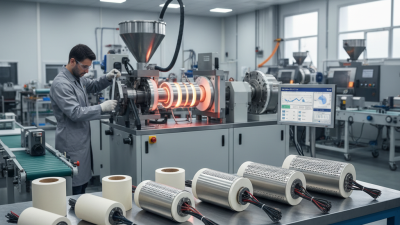
Dr. Robert Chang, a leading expert in thermal engineering, remarked, "Ceramic Band Heaters offer unmatched performance in industrial applications." His insights underscore the rising reliance on these heaters in sectors like plastics and food processing. They can operate at high temperatures while ensuring energy efficiency.
Yet, challenges remain. Issues like uneven heating and installation complexities can hinder performance. Companies must prioritize quality and durability when selecting a Ceramic Band Heater. As the industry evolves, continuous improvement and innovation are essential for meeting demands. Adapting to emerging technologies and standards will be crucial for manufacturers.
Overview of Ceramic Band Heaters in Industrial Applications
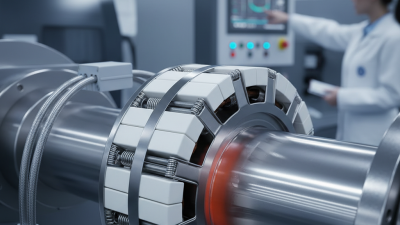
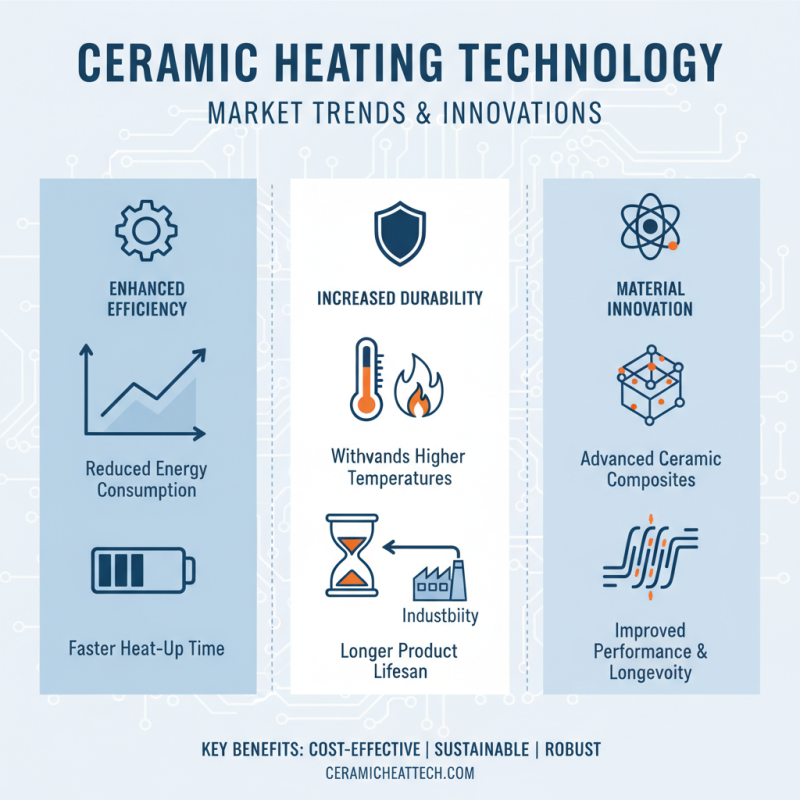
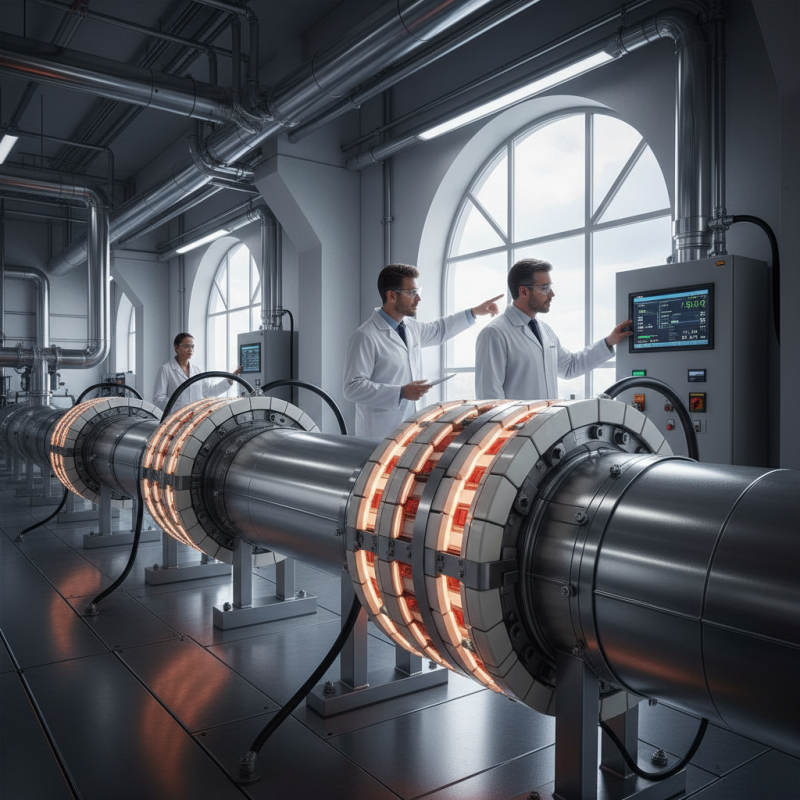
The use of ceramic band heaters in industrial applications is on the rise. These heaters provide efficient and consistent heat, making them ideal for various processes. According to a recent industry report, ceramic band heaters can improve heating efficiency by up to 30%. This efficiency reduces energy consumption, aligning with sustainability goals.
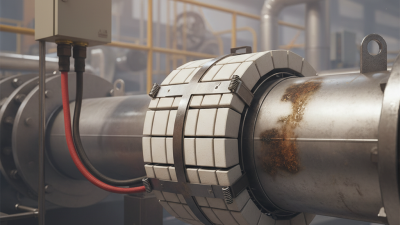
In the manufacturing sector, temperature control is critical. Ceramic band heaters are known for their quick response to temperature changes. They can maintain stable temperatures in demanding environments. However, proper installation is essential to achieve optimal performance. Improper installation may lead to heat loss and performance issues. Regular maintenance checks are also necessary to ensure safety and reliability.
Tips for users: Always check watt density before installation. This ensures optimal performance and longevity. Consider conducting a thermal analysis during operation. This can help identify any areas of inefficiency. Implementing these simple measures can enhance the effectiveness of your ceramic band heaters.
Key Features and Benefits of China’s Best Ceramic Band Heaters
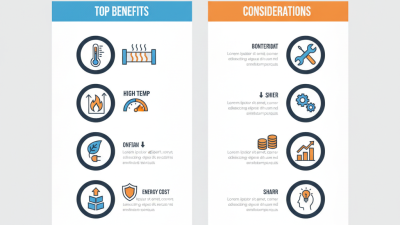
Ceramic band heaters have become essential tools in various industries for their efficiency and reliability. They provide even heating across surfaces, ensuring optimal temperature control. Many manufacturers have embraced this technology, drawn by its ability to boost productivity. The design minimizes heat loss, which is economically beneficial.
One of the standout features of ceramic band heaters is their durability. They withstand high temperatures and harsh conditions. Users appreciate the long lifespan, reducing the need for frequent replacements. However, some may overlook the initial investment cost. It's important to consider the savings from energy efficiency over time.
Maintenance is another area where users encounter challenges. While ceramic band heaters require less upkeep than traditional options, regular checks are necessary to maintain optimal performance. Failure to do this can result in inconsistent heating. Despite minor drawbacks, the advantages generally outweigh them. Proper usage and care can enhance their performance significantly.
China Best Ceramic Band Heater for Efficient Heating Solutions
| Feature |
Description |
Benefits |
| Material |
High-Quality Ceramic |
Durable and long-lasting, excellent thermal insulation. |
| Temperature Range |
Up to 300°C |
Suitable for various heating applications. |
| Efficiency |
85% Thermal Efficiency |
Reduces energy costs and maximizes output. |
| Compatibility |
Various Machine Types |
Versatile use across different industries. |
| Installation |
Easy Installation Process |
Saves time and reduces labor costs. |
| Customization |
Tailored Designs Available |
Meets specific industry requirements. |
Comparative Analysis: Ceramic vs. Traditional Heating Solutions
In recent years, ceramic band heaters have gained popularity as a superior heating solution. When comparing ceramic heaters to traditional options, several factors come into play. Ceramic heaters typically heat up faster and provide a more even distribution of heat. Unlike traditional heating methods, they tend to consume less energy over time, which can lead to cost savings.
One common misconception is that traditional heating methods are more reliable. This view may stem from years of familiarity. However, ceramic band heaters are known for their durability and efficient thermal performance. They maintain stable temperatures even in demanding environments, making them suitable for various industrial applications.
Tips for selecting heating solutions include assessing the specific heating requirements for your application. Consider energy consumption and maintenance needs. Also, reflect on the long-term benefits versus the initial costs. Sometimes, opting for the latest technology can yield significant improvements in efficiency and performance. Finally, evaluate technician expertise when it comes to installation and repairs. A knowledgeable team can help maximize your heating solution’s potential.
Comparative Analysis of Heating Solutions: Ceramic vs. Traditional