Leave Your Message

Why Is My Cast Nozzle Heater Not Heating?

When a Cast Nozzle Heater stops heating, production can slow within minutes. The nozzle may remain cold, plastic may harden inside, and pressure can rise unexpectedly. This problem often appears simple, but several parts can create the same symptom. A failed heater band is one possibility. Loose wiring, a damaged thermocouple, a faulty solid-state relay, or an incorrect controller setting can also interrupt heat.

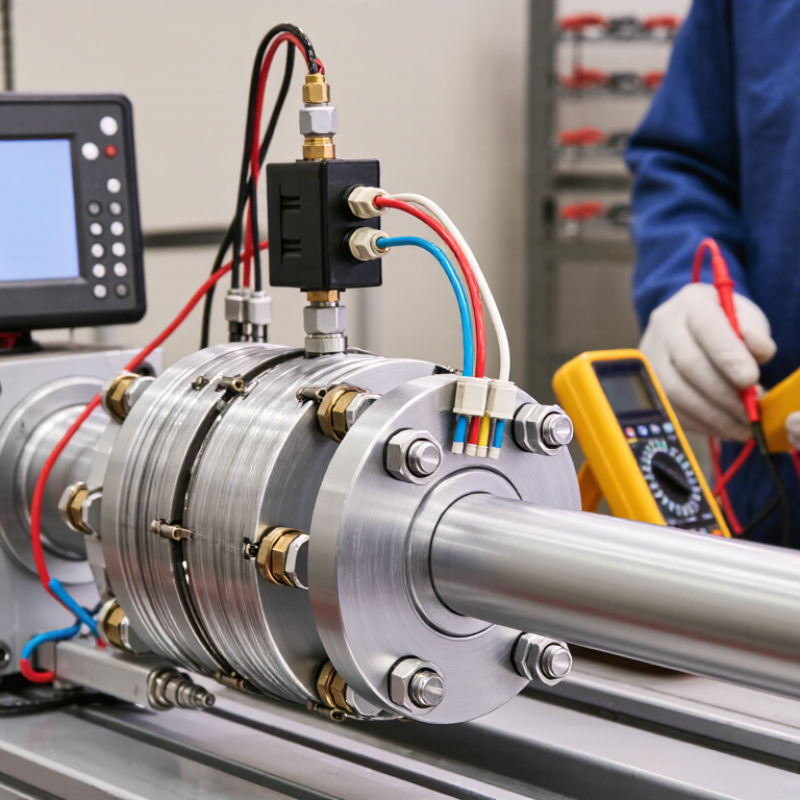
Start with the safest observations. Check whether the temperature controller displays a reading or an error code. Look for burned terminals, cracked insulation, or dark marks around the heater leads. A qualified technician can isolate power and measure heater resistance with a suitable multimeter. An open circuit usually indicates a broken heating element. Normal resistance does not prove the heater works perfectly, though. I have seen connectors pass a cold test but fail after vibration and repeated heating cycles. That detail is easy to miss.

The Cast Nozzle Heater should also match the nozzle’s voltage, wattage, shape, and installation fit. Poor contact can create hot spots while the controller reports an ordinary temperature. Check the sensor position carefully. A thermocouple touching the wrong surface may produce misleading readings. Do not bypass alarms or continue heating without confirming the cause. That shortcut can damage the nozzle, degrade resin, or create a serious burn hazard. This guide examines practical diagnostic steps, common installation mistakes, and signs that professional service is needed. Some symptoms overlap. Careful testing matters more than guessing.
Why Is My Cast Nozzle Heater Not Heating?

Understanding How a Cast Nozzle Heater Works

Why Is My Cast Nozzle Heater Not Heating?

A cast nozzle heater uses electrical resistance to create heat inside a compact metal body. Current passes through a resistance wire, producing heat through electrical resistance. The metal casting spreads that heat around the nozzle surface. A thermocouple measures temperature, while a controller adjusts power through rapid on-off cycles. It is a feedback system, not a simple switch.

If the heater stays cold, check the power path first. A loose terminal, broken wire, blown fuse, or failed solid-state relay can interrupt current. An open thermocouple may also stop the controller from enabling heat. Measure resistance when the heater is disconnected and cold. Compare the reading with its rated value. Infinite resistance usually means a broken heating element. A very low reading may indicate internal damage.

The U.S. Department of Energy reports that process heating uses about 22% of manufacturing energy. Poor temperature control therefore affects both product quality and operating cost. DOE Manufacturing Energy and Carbon Footprints, 2022.

Tips: Confirm the controller output with a meter, not only its display. Inspect darkened terminals, cracked insulation, and uneven nozzle heating. Keep the sensing tip firmly seated. Air gaps can slow heat transfer. Recheck the diagnosis after cooling. I have seen readings look normal, yet the heater remained cold because one terminal was mechanically loose. That detail is easy to miss.

Identifying Common Causes of Nozzle Heating Failure

A cast nozzle heater may stop heating because power is not reaching the circuit. Check the breaker, isolator, and controller output before removing covers. A loose terminal can look clean while producing no heat. Burn marks, brittle insulation, or a melted connector suggest excessive resistance and require prompt replacement.

The heater band or cartridge may also be open. With power disconnected, a qualified technician can measure resistance using a suitable meter. An infinite reading usually indicates a broken heating element. Compare the measured value with the equipment specification, not a random online chart. Resistance changes with temperature, so rushed testing can mislead.

The sensor deserves equal attention. A damaged thermocouple, reversed wires, or poor contact can make the controller display an incorrect temperature. Some controllers then stop heating as a protective response. Inspect the sensor tip, wiring, and terminal polarity. Clean plastic residue from the nozzle surface, but avoid scraping the heater aggressively. I have seen technicians replace a good heater after overlooking one loose sensor wire. That mistake is expensive. Allow the assembly to cool fully, isolate electrical power, and follow the machine’s service procedure before testing.

Why Is My Cast Nozzle Heater Not Heating? - Identifying Common Causes of Nozzle Heating Failure

Observed Condition Likely Cause Recommended Diagnostic Check Typical Finding Corrective Action Safety Priority
No temperature rise after the heating command is enabled Open heater circuit, failed heating element, or disconnected lead Isolate power and measure resistance across the heater terminals An open circuit or resistance far outside the heater’s specified value Repair the connection or replace the heater with the correct voltage and wattage rating High
Heater receives no voltage Blown fuse, tripped protection device, faulty relay, or damaged wiring Check the circuit protection and measure voltage at the heater terminals during a heating call Zero voltage when the controller is requesting heat Trace the electrical circuit, replace only the correctly rated protection device, and repair damaged wiring High
Temperature remains below the setpoint and rises very slowly Incorrect heater wattage, low supply voltage, or partial heater failure Verify the heater nameplate rating, supply voltage, and actual power draw Power input is lower than the design requirement or differs from the machine specification Install the specified heater and correct the supply or connection issue Medium
Heater turns on briefly and then shuts off Over-temperature protection, controller fault, loose terminal, or intermittent wiring Inspect terminals and monitor voltage, current, and temperature during a complete heating cycle Intermittent voltage, overheated terminals, or an unexpected protection trip Tighten or replace damaged connections and test the controller or protection circuit High
Temperature reading is incorrect or unstable Faulty thermocouple, reversed polarity, poor sensor contact, or damaged sensor wiring Inspect sensor placement and wiring; compare the displayed value with an independent temperature measurement Displayed temperature disagrees significantly with the measured nozzle temperature Correct polarity and mounting, repair wiring, or replace the sensor with the specified type Medium
Nozzle heats unevenly or has cold spots Poor heater-to-nozzle contact, incorrect installation, or localized heater damage Check heater seating, clamping, surface contact, and temperature distribution around the nozzle Visible gaps, loose mounting, discoloration, or a substantial temperature difference along the nozzle Reinstall the heater correctly or replace a distorted or damaged heating element Medium
Heater trips protection immediately Short circuit, insulation breakdown, moisture, or damaged heater leads With power isolated, test resistance to ground and inspect insulation, terminals, and cable routing Very low insulation resistance, visible damage, or arcing marks Do not bypass protection; replace the heater or wiring and correct the source of contamination or abrasion Critical
Heater reaches the setpoint but the nozzle remains cold Sensor is located away from the cold area or the wrong component is being heated Confirm sensor location and verify that the heater is installed on the intended nozzle section Controller reports normal temperature while material remains solid at the nozzle tip Relocate the sensor or heater according to the equipment design and retune temperature control if required Medium
Heating performance deteriorates after material leakage Polymer residue, carbon buildup, or contamination covering the heater and sensor Visually inspect the nozzle assembly after it has cooled and power has been isolated Residue restricts heat transfer, damages insulation, or holds the sensor away from the metal surface Clean or replace affected parts using the equipment manufacturer’s approved procedure Medium
Heater works intermittently when the nozzle or cable moves Broken conductor, strained cable, loose connector, or vibration-related terminal failure Perform a continuity check while gently flexing the cable only after power is isolated Resistance changes or continuity is lost when the cable is moved Replace the damaged lead or connector, secure cable routing, and eliminate excessive bending High

Note: Always isolate electrical power and allow the nozzle assembly to cool before testing or servicing. Resistance, voltage, and wattage values must match the equipment specification; do not bypass fuses, interlocks, or temperature protection.

Checking Power Supply, Wiring, and Temperature Controls

Why Is My Cast Nozzle Heater Not Heating?
Checking Power Supply, Wiring, and Temperature Controls

A cold cast nozzle often points to a basic electrical fault, not a failed heater. Start with the machine isolated and the circuit de-energized. A qualified technician should verify the incoming voltage with a rated meter. Compare the reading with the heater’s specification. A blown fuse, loose terminal, or undersized supply can stop heating completely. Never trust a dark display as proof of safe conditions.

Inspect the heater leads from the terminal block to the nozzle. Look for browned insulation, crushed wires, and terminals that move by hand. Check continuity only after power is removed. An open circuit suggests a broken heater element or cable. A low resistance reading may indicate damage or an incorrect test method. I once blamed the heater, but a loose return wire caused the same symptom.

Temperature controls deserve equal attention. Confirm the controller is set above the actual nozzle temperature. Check whether its output indicator changes when heat is requested. A faulty relay, sensor connection, or reversed thermocouple can prevent accurate control. The sensor should sit firmly in its intended position, without hardened material around it. If the display shows an unusual temperature, compare it with an independent probe. That small check can challenge a convenient assumption. Stop testing when insulation damage or exposed live parts appear.

Testing the Heater Element and Temperature Sensor

Why Is My Cast Nozzle Heater Not Heating?

Testing the Heater Element and Temperature Sensor

Turn off power and let the nozzle cool completely before testing. Remove the heater wires from the control circuit, then measure resistance with a multimeter. A healthy element should show a stable reading, not “OL” or nearly zero ohms. Use the equipment’s rated voltage and wattage to estimate resistance: R = V² ÷ P The measured value may differ slightly when cold. That is normal. A heater showing unstable resistance deserves closer inspection.

Check for damage around the ceramic insulation, terminals, and wire entry points. Darkened connectors often indicate heat or loose contact. Also test between each heater lead and the metal nozzle. The meter should not show continuity to the body. Do not guess. I have seen a heater blamed for a controller fault because its resistance was tested while still connected.

Test the temperature sensor separately at its connector. Many thermistors decrease resistance as temperature rises, while some resistance sensors increase. Confirm the sensor type and compare readings with its technical specification. Warm it gently with controlled heat, never an open flame, and watch for a smooth change. No change usually means an open sensor, damaged lead, or poor terminal contact. A fluctuating reading can come from vibration or a cracked wire. Live-voltage checks require qualified personnel and suitable protective procedures. Even a correct heater can stay cold when the sensor falsely reports excessive temperature.

Repairing or Replacing Faulty Nozzle Heater Components

Why Is My Cast Nozzle Heater Not Heating?

A cold nozzle often points to a failed heater cartridge, loose terminal, damaged lead, or inaccurate thermocouple. Disconnect power before testing. Measure the heater’s resistance with a calibrated multimeter. An open circuit usually confirms a broken heating element. A much lower reading may indicate internal damage or shorting. The U.S. Department of Energy states that electric resistance heating converts nearly 100% of input electricity into heat at the point of use. Therefore, poor heating usually reflects a component fault, not normal energy loss.

Inspect the nozzle closely. Look for darkened insulation, melted connectors, cracked ceramic sleeves, or heater movement inside the bore. Replace loose terminals and damaged wiring instead of tightening them repeatedly. A heater can test correctly when cold, then fail after expansion. I have seen this fault waste hours because the initial resistance reading looked normal. The thermocouple also deserves attention. IEC 60584-1 allows defined measurement tolerances, so temperature feedback may be wrong even when the sensor appears intact. Replace the sensor when its readings drift, jump, or disagree with an independent calibrated probe.

Tips: Record resistance at room temperature and after warm-up. Compare both readings with the equipment specification. Use a certified meter, and check terminal torque. Do not install a replacement heater with force. Uneven contact can create hot spots, shorten service life, and damage the nozzle. If the heater works but temperature remains unstable, question the controller, sensor placement, and grounding—not only the heater.

Why Is My Cast Nozzle Heater Not Heating?

This chart shows the expected resistance of common 230 V nozzle heaters, calculated using R = V² ÷ P. Measure resistance only when the heater is disconnected and completely de-energized. An open-circuit reading usually indicates a broken heater element or connection and normally requires replacement. A reading substantially below the expected value may indicate an internal short or damaged insulation, which also requires replacement.