What is a Coil Heater and How Does It Work?
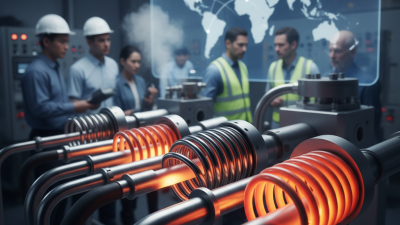
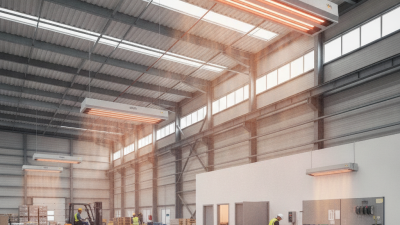
Coil heaters play a vital role in various industries, providing efficient heating solutions. These devices are engineered using tightly wound wire coils that generate heat when electric current flows through them. Their compact design makes them versatile for applications in manufacturing, food processing, and even household appliances.
Understanding how a coil heater operates can reveal its advantages and limitations. When electricity passes through the coils, resistance generates heat. This process is relatively straightforward, yet the efficiency can vary based on materials and design. Users often overlook the importance of proper installation and maintenance, which can significantly affect performance and longevity.
While coil heaters are reliable, they also warrant caution. Overheating can occur if not monitored correctly. Users must regularly check for wear and tear to ensure safety and functionality. Reflecting on these factors can lead to better choices when selecting heating systems. Coil heaters, when used properly, can be an asset to any operation, but awareness is key.
Definition and Overview of Coil Heaters
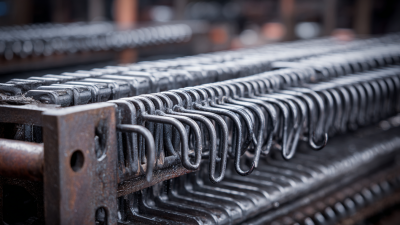
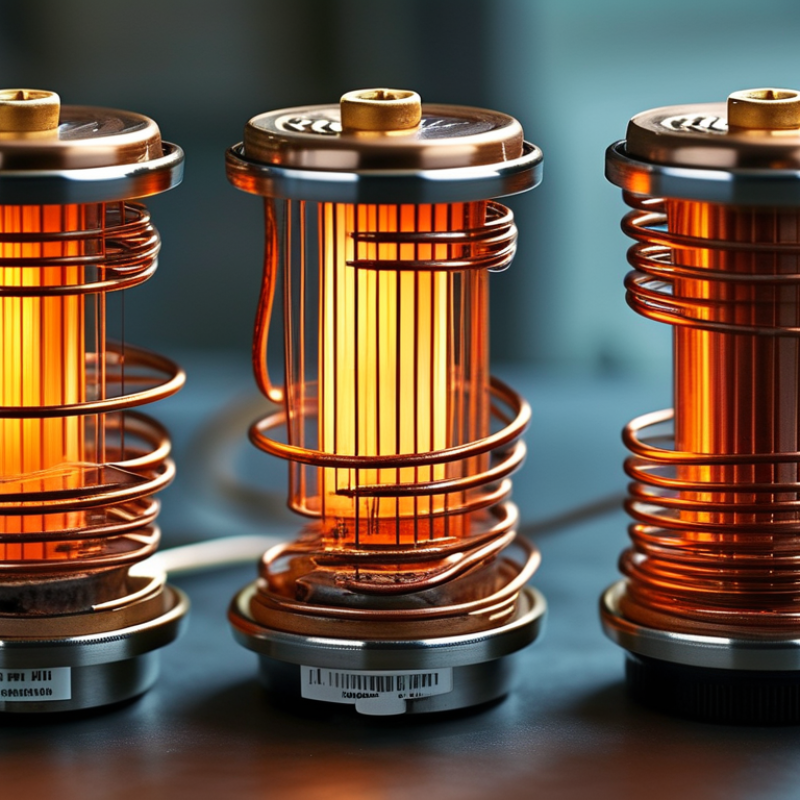
Coil heaters are essential components in various heating applications. They consist of metal coils that generate heat through electrical resistance. This heat is then transferred to the material or fluid they are designed to warm. Coil heaters are widely used in industrial settings, such as manufacturing processes and injection molding. Their compact design allows for efficient heating in limited spaces.
When selecting coil heaters, pay attention to the materials used. Different metals have varying thermal conductive properties. Copper, for example, offers excellent conductivity but can be more costly. Consider the specific application and the environment where the heater will operate. For instance, if moisture is present, insulated and corrosion-resistant materials are essential.
Tips for maintenance include regularly checking for signs of wear or damage. Over time, coil heaters may develop coating or residue that can hinder performance. Proper installation and following manufacturer guidelines will extend their lifespan. Always ensure the electrical connections are secure to prevent potential hazards. Regular inspections help maintain efficiency and safety.
Key Components of a Coil Heater
Coil heaters are essential in many industrial applications, providing
efficient thermal solutions. Understanding their
key components can enhance their effectiveness. The primary element is the
heating coil itself. Typically made from materials like
nickel-chromium alloy, the spiral design allows for maximized surface area
and heat distribution. This feature ensures
rapid heating and
uniform temperature control.
Another critical component is the
insulation. Effective insulation reduces heat loss and
increases energy efficiency. According to industry reports, heaters with improved insulation can achieve up to
30% better energy efficiency. The controller is equally
crucial. It regulates the temperature, providing
precise control, which is vital in processes that
require consistency. Modern controllers incorporate advanced technology, allowing for
real-time monitoring and adjustments.
Lastly, the
mounting system deserves attention. Proper installation impacts
heating efficiency. Mistakes in this step can lead to
uneven heating. Research indicates that improper mounting
can reduce performance by nearly 15%. Understanding these
components allows users to choose the right coil heater for their
specific needs, avoiding common pitfalls and optimizing operation.
Principle of Operation and Heating Mechanism
Coil heaters are unique devices designed to generate heat efficiently. Their operation relies on simple yet effective principles. The coil structure allows for even heating across larger surfaces. This design is crucial in many industrial applications such as die heating, plastic processing, and more.
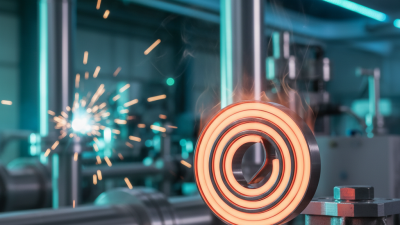
When electricity flows through the coil, it encounters resistance, generating heat. The heating mechanism is based on Joule's law, where the heat produced is proportional to the square of the current. This means a carefully calculated current can lead to efficient heating without excess power loss.
However, this mechanism raises questions about safety and efficiency. Improper installation or maintenance can lead to overheating. It is important to monitor temperature regularly. Additionally, the choice of material for the coil matters. Some materials may not withstand high temperatures well. Addressing these factors can greatly improve performance.
The coil heater is effective, but challenges exist. Unpacking these complexities leads to better understanding and application.
Applications and Benefits of Coil Heaters
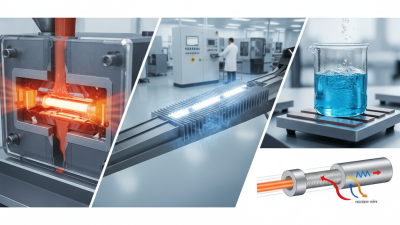
Coil heaters are versatile heating elements that find applications across various industries. These heaters function by directly converting electrical energy into heat, allowing for rapid and uniform heating. In manufacturing processes, they are often used to heat molds and containers. A recent market analysis suggests that the coil heater market will grow by 4.3% annually through 2026, reflecting their rising popularity.
One key benefit of coil heaters is their efficiency. They provide targeted heat, which minimizes energy loss. This precision leads to improved productivity in industrial settings. In food processing, coil heaters ensure consistent temperatures, which is essential for quality control. According to the International Journal of Engineering Research, coil heaters can reduce energy consumption by up to 35% compared to traditional heating methods.
However, there are challenges. Improper installation can lead to uneven heating and risks of equipment failure. Regular maintenance is crucial to ensure optimal performance and longevity. Industry professionals emphasize the importance of monitoring temperature and wear to prevent costly downtime. While coil heaters offer many advantages, it’s vital to address these imperfections to fully harness their potential.
Applications and Benefits of Coil Heaters
Maintenance and Safety Considerations for Coil Heaters
When using coil heaters, routine maintenance is crucial. These devices can accumulate dust and debris, affecting their performance. Inspecting the heater regularly prevents overheating and prolongs its lifespan. Users should check for any signs of wear, such as frayed wires or corroded connections. Often, these issues go unnoticed until they cause significant problems.
Safety is another critical aspect of coil heaters. They operate at high temperatures, posing burn risks if touched. Always ensure they have proper thermal protection to avoid overheating. Installing adequate insulation around the heater can minimize the risk of accidental contact. Users must follow electrical safety guidelines to avoid short circuits or electrical fires. Inadequate maintenance can lead to dangerous situations, so awareness of potential hazards is essential.
Thinking critically about maintenance procedures is important. What works for one unit may not apply to another. Regularly documenting maintenance actions can help identify patterns or repetitive issues. Adjusting maintenance schedules based on observed performance can make a significant difference. This reflective practice improves reliability and improves overall safety.