Why Choose Finned Heaters for Efficient Heating Solutions?
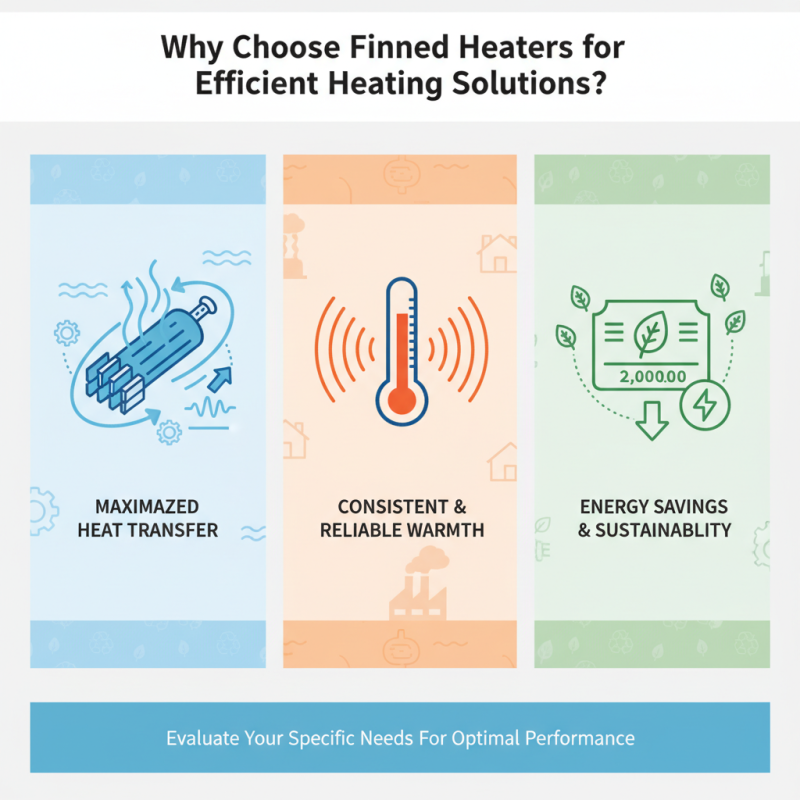
Finned heaters stand out in the realm of efficient heating solutions. They are designed to maximize heat transfer, making them energy efficient. Their unique structure allows for a larger surface area, enhancing thermal performance. This design attributes to their growing popularity in various applications, including industrial and residential settings.
Experts recommend finned heaters for environments requiring consistent and reliable warmth. Their ability to distribute heat evenly is unmatched. Businesses often see reduced energy costs after switching to finned heaters. This is not just about warming spaces; it's about smart energy use and sustainability.
However, it's crucial to evaluate your specific needs before choosing a finned heater. Different models and sizes can impact performance significantly. Selecting the right one requires understanding your heating requirements. While finned heaters offer many benefits, careful consideration is essential. Balancing efficiency and practicality will lead to better heating solutions.
Benefits of Finned Heaters in Energy Efficiency and Cost Savings
Finned heaters have gained popularity due to their energy efficiency and cost-saving benefits. These heaters use a series of metal fins to increase the surface area for heat transfer. By maximizing the contact with air, they promote better heating and lower energy consumption. Homes and businesses can significantly reduce their bills by choosing finned heaters.
Another important aspect is their versatility. Finned heaters can be used in various settings, from residential to industrial applications. Their lightweight design makes installation easy. However, it is crucial to consider the installation environment. Proper placement ensures optimal performance. Installing them in places with good airflow is essential to maximize efficiency.
While these heaters offer significant advantages, they are not perfect. Maintenance is key to keeping them in top shape. Dust and debris can accumulate on fins, reducing effectiveness. Regular cleaning and inspection help prevent this issue. Users must stay vigilant and proactive in their maintenance routines. Balancing efficiency and upkeep is vital for long-term satisfaction.
Why Choose Finned Heaters for Efficient Heating Solutions?
Overview of Finned Heater Operation and Design Principles
Finned heaters are designed to maximize thermal efficiency through a clever combination of operation and design principles. They utilize fins to increase the surface area that heats the surrounding air. This design allows for better heat transfer, making them ideal for various heating applications. The fins can be made of conductive metals, enhancing heat distribution. This results in a more uniform temperature, reducing heat loss.
The operation of finned heaters relies on natural convection or forced airflow. Typically, the heated air moves up and out, drawing in cooler air from below. This circulation creates an efficient heating pattern throughout the space. However, one must consider the balance of airflow and heater placement. If placed incorrectly, areas might remain cold. Maintaining proper spacing between fins is crucial; too close may restrict airflow, limiting efficiency.
Challenges exist in selecting the right fin configurations. Different materials and designs can affect performance. It's important to assess the specific heating needs of your environment. Potential issues such as dust accumulation on fins can hinder efficiency. Regular maintenance and cleaning are essential for optimal operation. Understanding these principles can guide better choices in heating solutions.
Comparative Analysis: Finned Heaters vs. Traditional Heating Methods
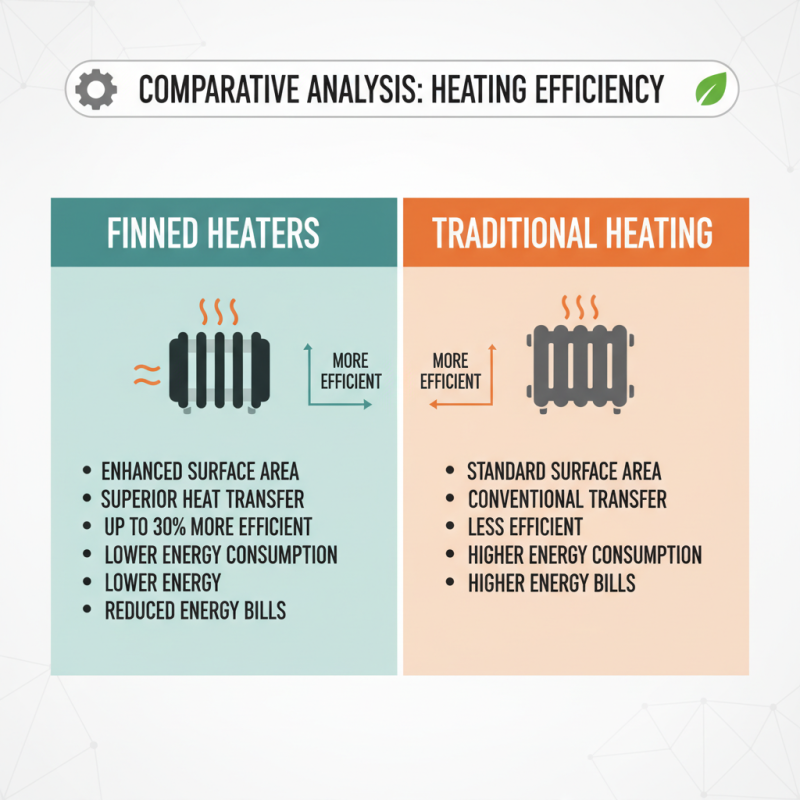
When comparing finned heaters with traditional heating methods, efficiency stands out as a key factor. Finned heaters, with their enhanced surface area, allow for superior heat transfer. Reports suggest that finned heaters can improve heating efficiency by up to 30% compared to conventional systems. This translates into lower energy consumption. The U.S. Department of Energy highlights that energy-efficient heating solutions can reduce energy bills significantly.
Furthermore, finned heater designs contribute to faster heating times. Traditional methods often struggle with cold spots. In contrast, finned heaters distribute heat evenly throughout the space. This can lead to improved comfort levels in various environments. Users often report better temperature consistency when using these systems.
**Tips:** Regular maintenance is essential for optimal performance. Clean the fins regularly to ensure maximum efficiency. Monitor the system for any unusual noises or fluctuations. Lastly, when selecting a heating solution, consider both the installation costs and the long-term energy savings.
Industry Applications and Performance Metrics of Finned Heaters
Finned heaters are gaining popularity in various industrial applications due to their efficiency. These heaters work by increasing the surface area in contact with the surrounding air. This feature enhances heat transfer, making them ideal for spaces requiring consistent warmth. Industries like manufacturing, food processing, and HVAC systems benefit significantly from their design. The finned structure allows for quicker heating and better energy use.
Performance metrics highlight the effectiveness of finned heaters. They generally boast higher thermal efficiency than standard heaters. Testing shows they can operate at lower energy inputs while generating more heat output. This improvement can lead to reduced costs over time. However, it’s important to consider factors like installation space and maintenance needs. Some users have experienced challenges with their sizing and placement, which can affect overall performance.
Regular assessments are crucial to ensure these heaters perform optimally. While many installations work flawlessly, others do not meet expectations. The variability in environmental conditions, such as humidity and airflow, can impact heating efficiency. Therefore, industry professionals should continuously seek feedback and adjust their strategies. Emphasizing proper installation and ongoing evaluation is key to maximizing the benefits of finned heaters.
Why Choose Finned Heaters for Efficient Heating Solutions? - Industry Applications and Performance Metrics of Finned Heaters
| Industry Application |
Power Output (kW) |
Efficiency (%) |
Operating Temperature (°C) |
Material Type |
| Food Processing |
10 |
95 |
150 |
Stainless Steel |
| HVAC Systems |
15 |
90 |
200 |
Aluminum |
| Chemical Processing |
25 |
92 |
250 |
Copper |
| Marine Applications |
20 |
88 |
60 |
Titanium |
| Textile Industry |
12 |
93 |
180 |
Carbon Steel |
Future Trends in Finned Heater Technology and Innovation
The innovative world of finned heater technology is evolving rapidly. As energy efficiency becomes increasingly crucial, new designs and materials are being explored. According to a recent industry report, energy-efficient heating solutions can reduce operational costs by up to 30% in industrial applications. This shift is driving research into advanced materials that enhance thermal conductivity and durability.
Emerging trends point toward smart technology integration in finned heaters. A survey found that around 50% of manufacturers are investing in IoT capabilities. Smart controllers will allow for real-time adjustments based on environmental conditions. This responsiveness can optimize energy use and increase system longevity.
Additionally, sustainability remains a focus. A growing demand for eco-friendly heating solutions is shaping the future. Companies are now looking at recyclable and biodegradable materials. This transition is not just beneficial for the environment; it also appeals to a consumer base increasingly concerned with sustainability. The challenge remains: balancing efficiency with sustainability while keeping costs manageable. The industry must continually adapt.