Top Finned Tube Heat Exchanger Suppliers Worldwide?
Selecting a Finned Tube Heat Exchanger supplier is not simply a matter of comparing catalog prices. The right design depends on process fluid, operating temperature, pressure, fouling risk, and installation space. In power generation, petrochemical processing, HVAC, and waste-heat recovery, small differences can affect heat transfer and maintenance needs. Fin material and spacing, tube-wall thickness, corrosion allowance, and connection details all deserve careful review.
Small details matter. A polished brochure may show a clean coil, but it may not explain performance after months of dust, moisture, or thermal cycling. This gap deserves attention.
This guide introduces leading suppliers worldwide and practical questions buyers can use to assess them. Rather than treating any list as a universal ranking, compare engineering capability, manufacturing scope, documented quality controls, testing practices, delivery support, and replacement-parts availability. Ask how performance calculations are validated. Request drawings, material specifications, and relevant inspection records before placing an order. For unusual temperatures or corrosive environments, references from similar applications can be especially useful.
No single vendor fits every plant. Available information can also be uneven, and this overview cannot replace a project-specific engineering review. Use it as a starting point, then verify claims directly with manufacturers. That extra check is worthwhile.
What Is a Finned Tube Heat Exchanger?
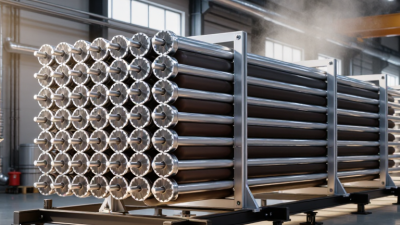
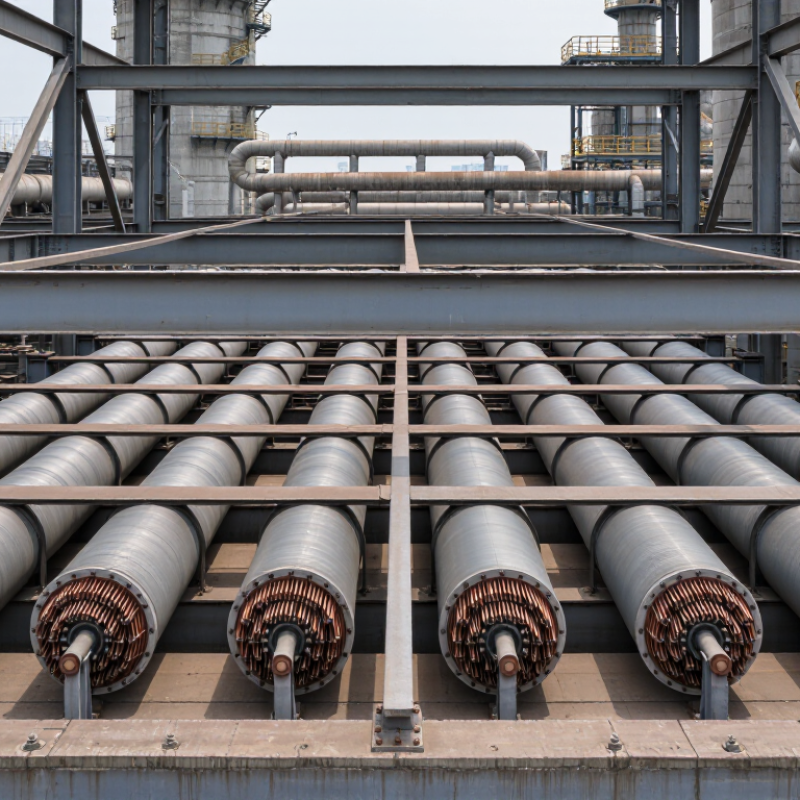
A finned tube heat exchanger transfers heat between fluids while using metal fins to enlarge the tube’s exposed surface. The working fluid usually travels inside the tubes; air or another gas passes over the fins outside. Fins are useful because gas-side heat transfer is often weaker than liquid-side transfer. More surface can improve heat exchange without requiring a much larger unit.
The U.S. Department of Energy’s 2008 report, Waste Heat Recovery: Technology and Opportunities in U.S. Industry, estimates that 20–50% of industrial energy input may leave as waste heat. Finned tube exchangers can help recover some of it, such as heat from hot exhaust warming incoming air. But added surface is not a free gain: tight fin spacing can trap dust, raise air-side pressure drop, and make cleaning harder. Small design details matter. I would not choose by surface area alone.
Tips: Check the gas temperature, dust load, corrosion risk, and available cleaning access before selecting fin spacing. Ask suppliers for pressure-drop and thermal-performance data at your actual operating conditions. A tidy drawing can still hide a difficult maintenance job.
How Finned Tube Heat Exchangers Serve Different Industries
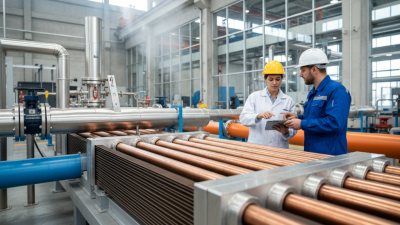
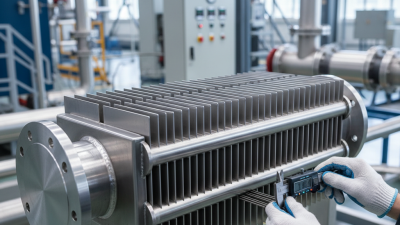
Finned-tube heat exchangers transfer heat between air and a circulating fluid, making them useful where compact, reliable thermal control matters. In power generation, they can cool lubricating oil or condense steam while large fans move air across the finned surface. At a plant, technicians may inspect fin spacing for dust buildup, corrosion, or bent edges. Small defects can reduce airflow.
In commercial HVAC systems, these exchangers help reject heat from chillers and rooftop equipment. Their performance depends on local conditions: a dusty site may need more frequent cleaning, while a coastal location may require corrosion-resistant materials. Food-processing facilities use air-cooled units to manage process temperatures without adding cooling water at every location. Hygiene still matters. Fins can collect debris, so equipment access and cleaning routines should be planned.
Chemical plants and refineries may use finned-tube coolers for gases, oils, and other process streams. Engineers must match tube materials, fin geometry, operating pressure, and expected temperatures to the actual duty. Cold-climate installations also need protection against ice and uneven airflow. There is no universal design; sometimes a compact unit creates maintenance problems later. Reviewing real operating data, rather than relying only on catalog ratings, helps teams make a more dependable choice.
What Makes a Supplier a Global Industry Leader?
A global leader in finned tube heat exchangers is more than a large manufacturer. It can explain how tube material, fin geometry, and operating conditions affect performance. Strong suppliers ask about fluid properties, temperatures, pressure limits, and fouling risks before proposing a design. They also provide clear drawings, inspection records, and test procedures. Details matter. A polished catalogue cannot replace evidence from production.
Reliable delivery is another marker. Look for consistent weld quality, traceable materials, and documented checks at key production stages. Ask how the supplier handles dimensional changes or a delayed shipment. A capable engineering team should answer plainly, not hide behind broad claims. Service after delivery counts too: practical troubleshooting can prevent a small performance issue from becoming costly downtime. Still, no checklist captures every project. Even experienced buyers can overlook installation conditions.
Tips: Request a sample inspection report and a reference design with similar operating conditions. Compare stated performance with test assumptions. Confirm what is included in the quotation, such as documentation, packaging, and commissioning support. If answers feel vague, ask for a concrete example. That extra question may feel awkward, but it can reveal how the supplier works.
Leading Finned Tube Heat Exchanger Suppliers by Region
Asia hosts many high-volume finned tube heat exchanger suppliers, with broad options for aluminum, copper, and steel designs. Buyers should compare fin attachment methods, material traceability, and pressure-test records, not just quoted price. Details matter. Ask how the supplier controls fin spacing and tube expansion; small inconsistencies can affect heat transfer and service life.
European suppliers often emphasize application engineering, documented quality systems, and custom designs for demanding process conditions. North American suppliers may be attractive when replacement parts, field support, or shorter communication loops matter. These are tendencies, not guarantees. A regional label alone says little about a factory’s actual capabilities, so request project references and inspection documents.
In the Middle East, suppliers serving energy and process projects may focus on high ambient temperatures, corrosion resistance, and project logistics. Check whether they can source suitable alloys and meet delivery schedules for the installation site. I would not assume a nearby supplier is always the fastest choice; stock, testing capacity, and export handling can change the timeline. Compare technical proposals using the same duty, pressure, temperature, and fouling assumptions.
How to Choose the Right Supplier for Your Project
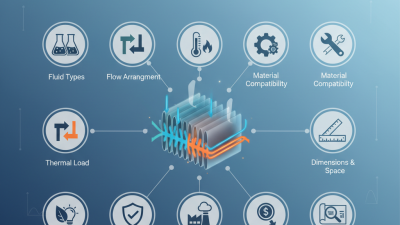
Choosing a finned tube heat exchanger supplier starts with your actual operating conditions, not a product catalog. Share the process fluid, flow rate, inlet and outlet temperatures, design pressure, and expected fouling. A supplier should explain how tube material, fin spacing, and surface area suit those conditions. Ask for calculated heat duty and pressure drop. Small details matter.
The U.S. Department of Energy’s 2008 report, Waste Heat Recovery: Technology and Opportunities in U.S. Industry, estimated that 20–50% of industrial energy input may leave as waste heat. That broad estimate is not a project savings promise, but it shows why accurate recovery design matters. Compare suppliers on documented thermal calculations, stated assumptions, inspection records, and performance guarantees. Ask how they account for dust, corrosion, vibration, and cleaning access. Get evidence.
Check references from installations with similar temperatures, fluids, and operating cycles. Review material certificates, quality controls, delivery schedules, spare-part availability, and after-sales support. A low purchase price can hide difficult maintenance or excessive pressure loss. Ask who handles design changes when site data shifts; real projects rarely match every early estimate. A detailed, candid answer is useful. A perfect-looking proposal may not be.