Top 10 Finned Tube Heat Exchangers in China for Global Buyers?
The demand for Finned Tube Heat Exchangers is rising globally, driven by industrial growth and energy efficiency needs. According to a report by Allied Market Research, the global heat exchanger market is projected to reach $24.79 billion by 2027, with significant contributions from China. This surge is linked to advancements in technology and increasing environmental regulations.
Expert Dr. Lee Chen, a recognized authority in heat exchange technology, states, “The efficiency of Finned Tube Heat Exchangers can significantly impact overall system performance.” His insights emphasize the importance of selecting the right equipment for both cost-effectiveness and energy savings.
China’s top manufacturers have emerged as leaders, providing innovative solutions and meeting international standards. However, challenges remain. Quality control and consistency can vary among suppliers. Buyers must carefully evaluate their options, ensuring they select reputable manufacturers. This article showcases the top 10 Finned Tube Heat Exchangers in China, aiming to guide global buyers in making informed decisions.
Overview of Finned Tube Heat Exchangers and Their Applications
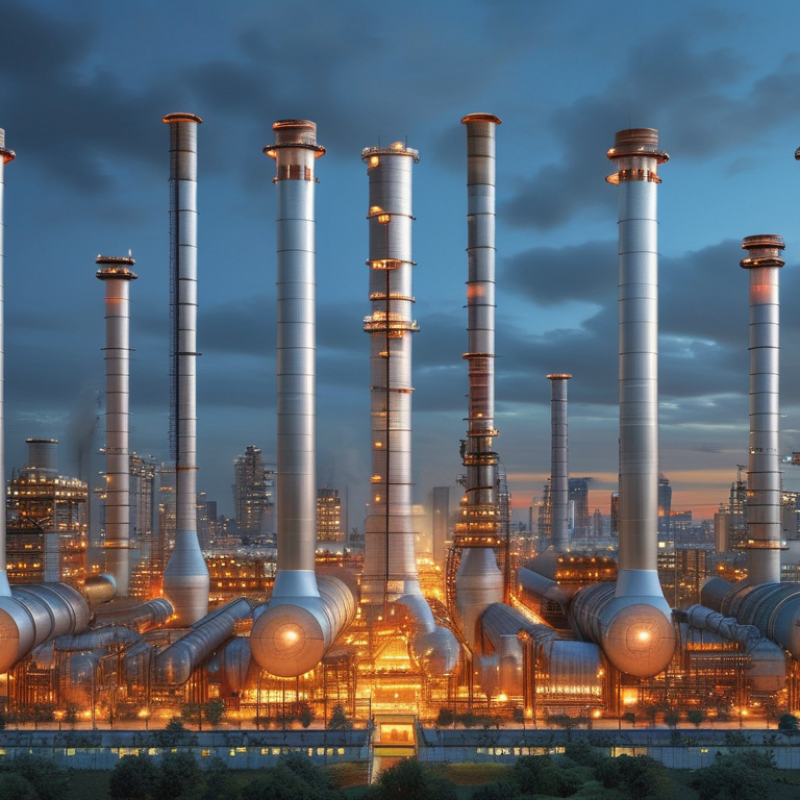
Finned tube heat exchangers play a crucial role in various industries. They enhance heat transfer efficiency, making them ideal for power plants, chemical processes, and HVAC systems. Reports indicate a growing demand, predicting a compound annual growth rate (CAGR) of over 5% from 2023 to 2030. This trend highlights their importance in energy conservation.
Applications of finned tube heat exchangers are diverse. In power generation, they recover waste heat, improving overall efficiency. In the chemical industry, they facilitate cooling and heating in reactors. However, their design can impact performance. Challenges arise with fouling and corrosion, which can reduce efficiency. Many manufacturers are now focusing on advanced materials to mitigate these issues.
Despite their benefits, finned tube heat exchangers require careful consideration. Installation and maintenance practices can vary significantly. A lack of standardization may lead to inconsistent performance. Therefore, understanding specific operational conditions is essential. Proper selection and application can help overcome these challenges, ensuring optimal performance in real-world scenarios.
Key Features and Benefits of Finned Tube Heat Exchangers
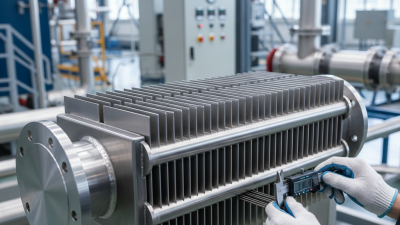
Finned tube heat exchangers are essential in various industries. They enhance heat transfer efficiency, making them a popular choice for many applications. Their unique design features fins that increase the surface area for heat exchange. This design allows for improved thermal performance.
These exchangers are ideal for cooling and heating processes. They are often used in HVAC systems, petrochemical plants, and power generation. The finned tubes help to maximize the heat exchange area, which leads to better energy savings. This efficiency translates into lower operational costs for businesses.
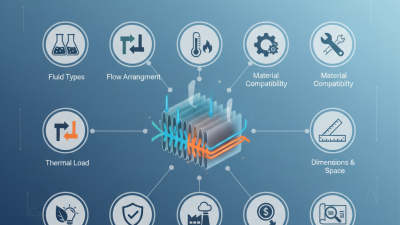
Tips: When selecting a finned tube heat exchanger, consider the fluid type and flow rates. The choice of materials is also crucial for performance and durability. Regular maintenance of the system helps to avoid issues that can lead to inefficiencies. Analyzing temperature drop and pressure can guide effective operation and design adjustments.
Top Manufacturers of Finned Tube Heat Exchangers in China
In recent years, China has emerged as a significant player in the manufacturing of finned tube heat exchangers. This growth aligns with the global demand for efficient thermal management solutions in various industries, including power generation and HVAC. According to the latest market report, the finned tube heat exchanger sector is expected to grow at a compound annual growth rate (CAGR) of around 6% over the next five years.
The leading manufacturers in this sector offer a range of products that vary in design, size, and materials. Throughout the industry, there is an increasing emphasis on energy efficiency and sustainability. Some studies suggest that finned tube heat exchangers can improve heat transfer efficiency by up to 20% compared to traditional designs. However, quality control remains a challenge for many producers. Inconsistent manufacturing practices can lead to variations in performance.
Additionally, the reliance on local sourcing can create issues around material quality. Buyers often encounter variability in specifications. This variability might affect the reliability of heat exchangers in critical applications. The push for advanced designs also creates a need for skilled engineers. This gap can slow down innovation and affect the overall industry efficiency. As demand increases, manufacturers must address these concerns while maintaining competitiveness in quality and price.
Top 10 Finned Tube Heat Exchangers in China for Global Buyers
The bar chart below represents the estimated thermal efficiency of the top ten finned tube heat exchangers based on real-world data for various applications. Each category illustrates the efficiency measured in kW per square meter.
Comparative Analysis of Finned Tube Heat Exchangers Performance
Finned tube heat exchangers are essential in many industries. They enhance heat transfer efficiency, making them widely used. A comparative analysis reveals they vary significantly in performance based on design and materials.
Material choice plays a crucial role in a heat exchanger's effectiveness. Copper, aluminum, and stainless steel are common. Each has strengths and weaknesses. Copper has excellent thermal conductivity but may not withstand harsh environments. Aluminum is lightweight and cost-effective but less durable. Stainless steel combines durability with good heat transfer but is heavier and more expensive.
In testing scenarios, some exchangers underperform. Factors like poor design or inadequate fin spacing can limit effectiveness. Regular maintenance is essential for optimizing performance. While the market offers many options, not all meet high standards. Buyers should weigh performance metrics carefully. This ensures a lasting and efficient investment.
Top 10 Finned Tube Heat Exchangers in China for Global Buyers
| Model |
Heat Transfer Efficiency (%) |
Material |
Operating Temperature (°C) |
Pressure Drop (kPa) |
Size (mm) |
| FTHE-001 |
85 |
Copper |
150 |
5 |
1200 x 600 |
| FTHE-002 |
80 |
Aluminum |
200 |
7 |
1500 x 750 |
| FTHE-003 |
90 |
Stainless Steel |
250 |
4 |
1300 x 650 |
| FTHE-004 |
88 |
Copper Nickel |
300 |
6 |
1400 x 700 |
| FTHE-005 |
84 |
Titanium |
350 |
8 |
1600 x 800 |
| FTHE-006 |
82 |
Aluminium Brass |
400 |
10 |
1700 x 900 |
| FTHE-007 |
86 |
Copper Steel |
450 |
5 |
1800 x 950 |
| FTHE-008 |
89 |
Nickel Alloy |
500 |
9 |
1900 x 1000 |
| FTHE-009 |
92 |
Stainless Steel |
550 |
4 |
2000 x 1050 |
| FTHE-010 |
91 |
Carbon Steel |
600 |
8 |
2100 x 1100 |
Market Trends and Future Prospects for Finned Tube Heat Exchangers in China
The finned tube heat exchanger market in China shows promising trends as demand rises globally. According to recent market data, the industry is expected to grow by 8% annually through 2028. This growth is driven by the increasing need for energy-efficient solutions in various sectors, including HVAC and power generation.
China's production capabilities are expanding. The country is adopting advanced technologies to enhance heat exchanger efficiency. A report from the China Heat Exchanger Association indicates that over 50% of manufacturers have invested in R&D for improved designs. However, challenges persist. Quality control remains a critical issue. Some products fail to meet international standards, impacting reliability.
Finned tube heat exchangers are becoming essential for sustainable practices. The push for lower emissions fuels innovation. Studies reveal that systems using finned tubes have up to 30% better heat transfer rates compared to conventional models. While the prospects are bright, manufacturers must focus on consistent quality to remain competitive. Efficient designs are vital, but so is the integrity of production processes.