Top 10 Finned Tube Heat Exchangers in China for Global Buyers?
The demand for efficient thermal management solutions is rising globally. Among these solutions, the Finned Tube Heat Exchanger stands out for its superior heat transfer efficiency. According to industry reports, the market for heat exchangers, particularly in China, is projected to reach $8 billion by 2025, marking a compound annual growth rate of 6.5%. This surge is fueled by industries such as HVAC, power generation, and chemical processing.
China's advancements in manufacturing technology have positioned it as a key player in the global Finned Tube Heat Exchanger market. Companies are increasingly investing in innovative designs and materials to improve performance and sustainability. However, challenges remain in terms of quality consistency and meeting international standards, which can affect buyer confidence. As such, exploring the top manufacturers in China becomes essential for global buyers seeking reliable partners.
In this article, we will highlight the top 10 Finned Tube Heat Exchangers available in China. Each selection will be based on their technological innovation, market reputation, and overall efficiency. This focused approach aims to guide buyers in making informed decisions while considering the evolving landscape of heat exchanger technology. The rich diversity of offerings reflects both strengths and areas for improvement within the industry.
Overview of Finned Tube Heat Exchangers: Definition and Functionality
Finned tube heat exchangers are crucial in various industries. Their main function is to enhance heat transfer between fluids. This is achieved through metal fins that increase the surface area. As a result, they allow for more efficient heat dissipation and recovery.
Research shows that finned tube heat exchangers can boost thermal efficiency by up to 30%. They are widely used in power plants, chemical processing, and HVAC systems. This versatility makes them essential for energy savings. The design varies, with options such as straight or helically finned tubes. Each design has specific applications and benefits.
Despite their advantages, these systems can present challenges. Corrosion and fouling are common issues that affect performance. Proper maintenance is vital to extend the lifespan of these heat exchangers. Regular inspections can help identify problems early. Understanding these nuances is crucial for effective operation and optimization in various settings.
Top 10 Finned Tube Heat Exchangers in China for Global Buyers
This chart illustrates the performance efficiency of the top 10 finned tube heat exchangers based on their thermal conductivity and heat transfer efficiency metrics. These data points highlight the competitive landscape in the Chinese market.
Key Features and Advantages of Finned Tube Heat Exchangers
Finned tube heat exchangers are vital in various industries, including HVAC and power generation. These units improve heat transfer efficiency by increasing the surface area for heat exchange. According to recent industry reports, finned tube heat exchangers can enhance heat transfer rates by as much as 30% compared to conventional designs. This advantage is particularly important in energy-intensive sectors, where efficiency directly impacts operational costs.
One notable feature is the ability to work efficiently in harsh environments. Finned tubes can withstand high temperatures and corrosive conditions. This makes them suitable for industries like chemical processing. Their robust design means they can operate reliably over long periods. However, they also require careful maintenance to prevent scaling and fouling. Neglect can lead to decreased performance and increased costs over time.
Global buyers often seek the latest innovations in design and materials. Advanced manufacturing techniques yield better durability and efficiency. Choosing the right supplier can directly affect the heat exchanger's long-term performance and reliability. It is crucial to consider factors such as thermal performance, material selection, and maintenance needs when making purchasing decisions. While many options are available, ensuring quality often requires deeper inspections and reviews of supplier performance history.
Top 10 Finned Tube Heat Exchangers in China for Global Buyers
| Model |
Material |
Tube Diameter (mm) |
Finned Type |
Heat Transfer Area (m²) |
Operating Pressure (MPa) |
Efficiency (%) |
| Model A |
Aluminum |
25 |
Spiral Fins |
50 |
2.0 |
85 |
| Model B |
Copper |
30 |
Straight Fins |
75 |
2.5 |
90 |
| Model C |
Stainless Steel |
35 |
Helical Fins |
100 |
1.5 |
88 |
| Model D |
Carbon Steel |
40 |
Embedded Fins |
120 |
2.0 |
82 |
| Model E |
Titanium |
25 |
Wavy Fins |
65 |
2.2 |
89 |
Top Manufacturers of Finned Tube Heat Exchangers in China
China has emerged as a powerhouse in the field of finned tube heat exchangers. In recent years, this sector has seen significant growth, driven by industrial demand and energy efficiency needs. According to the latest industry reports, the finned tube heat exchanger market in China is expected to reach a value of over $3 billion by 2025. This rapid expansion highlights the role of Chinese manufacturers in catering to global buyers.
The technology behind finned tube heat exchangers is evolving. These devices improve heat transfer in various applications, such as power generation and HVAC systems. They do this by increasing the surface area for heat exchange. However, not all manufacturers maintain consistent quality. Some production processes lack the necessary inspections, leading to durability concerns. Buyers should prioritize companies that emphasize rigorous quality control and adhere to international standards. Achieving good product reliability requires constant improvement and feedback from end-users.
Moreover, sourcing from multiple suppliers can mitigate risks. The market features both large scale and small scale producers. Each has unique advantages. Large companies often invest in advanced technology. Smaller firms may offer competitive pricing and flexibility. Therefore, buyers should evaluate their specific needs carefully. Competition in the Chinese market pushes all manufacturers to innovate continuously, enhancing product offerings. Selecting the right partner is critical for optimal performance.
Criteria for Selecting Finned Tube Heat Exchangers for Global Buyers
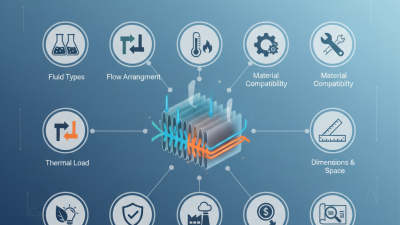
When selecting finned tube heat exchangers, global buyers should focus on specific criteria to ensure optimal performance and reliability. One critical factor is the material quality. According to industry reports, copper and aluminum fins provide superior thermal conductivity. They enhance energy efficiency and extend the lifespan of heat exchangers. Buyers should always check the corrosion resistance of these materials, especially for harsh environments.
Another essential aspect is the design configuration. Finned tube heat exchangers come in various designs. Each design has unique advantages for different applications. For instance, the spacing between fins affects air flow and heat transfer rate. Many reports indicate that tighter spacing can improve heat exchange but may also create pressure drops. Assessment of application requirements is vital for making the right choice.
Lastly, consider the manufacturer’s expertise. Industry research shows that manufacturers with substantial experience often provide better performance guarantees. Quality assurance processes play an essential role in product reliability. Buyers should ask about certifications and testing methods used. Understanding these factors not only aids in selecting the right finned tube heat exchanger but also highlights the need for informed decision-making rooted in industry standards.
Market Trends and Innovations in the Finned Tube Heat Exchanger Industry
The finned tube heat exchanger industry is experiencing notable innovations. Recent advancements focus on enhancing thermal efficiency and optimizing fluid dynamics. Manufacturers are exploring new materials and fin designs to improve heat transfer rates. This allows systems to operate with lower energy consumption and reduced operational costs.
Market trends indicate a shift toward environmentally friendly technologies. Increased emphasis on sustainability drives the demand for efficient heat exchangers. Industry players are investing in research to develop eco-friendly refrigerants and biodegradable materials. However, the challenge remains in balancing performance and environmental impact.
Despite these positive trends, the industry faces some obstacles. Standardization of designs across different applications is lacking. This can lead to inconsistencies in performance and customer satisfaction. Buyers need to carefully evaluate options and consult experts to make informed decisions. The evolving landscape of the finned tube heat exchanger market requires continuous learning and adaptation.