Top Electric Infrared Heater Models for Efficient Home Heating?
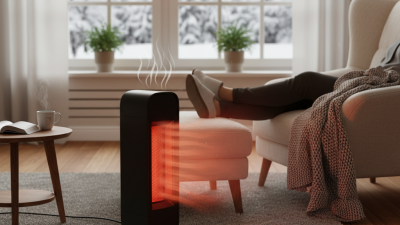
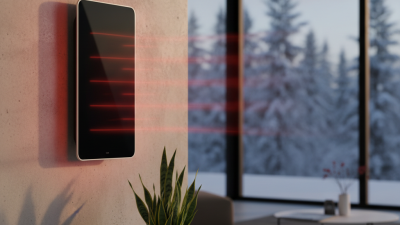
As winter approaches, finding efficient heating solutions becomes crucial. Electric infrared heaters have gained popularity for their unique advantages. These heaters provide instant warmth by emitting infrared rays that directly heat objects and people in a room. This method is energy-efficient and offers a comfortable experience.
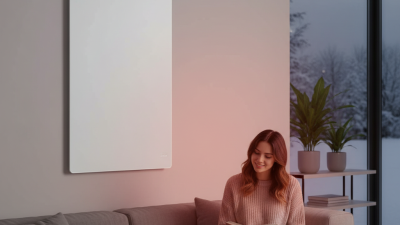
When selecting an electric infrared heater, consider factors like size, wattage, and design. Various models are available, each with unique features. Some are portable, while others can be mounted on walls. This variety allows consumers to choose the best fit for their homes. However, not all models are created equal. It’s essential to research and read user reviews before making a purchase.
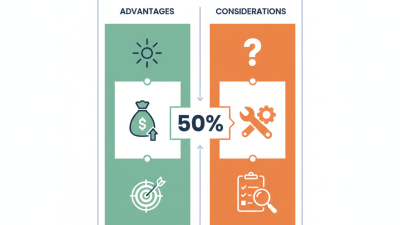
Though electric infrared heaters are beneficial, they come with challenges. For instance, they can be less effective in larger spaces. Users may also need to adjust their expectations regarding heating time. Balancing efficiency with needs is key. With the right choice, an electric infrared heater can provide warmth and comfort throughout the cold season.
Overview of Electric Infrared Heaters and Their Benefits
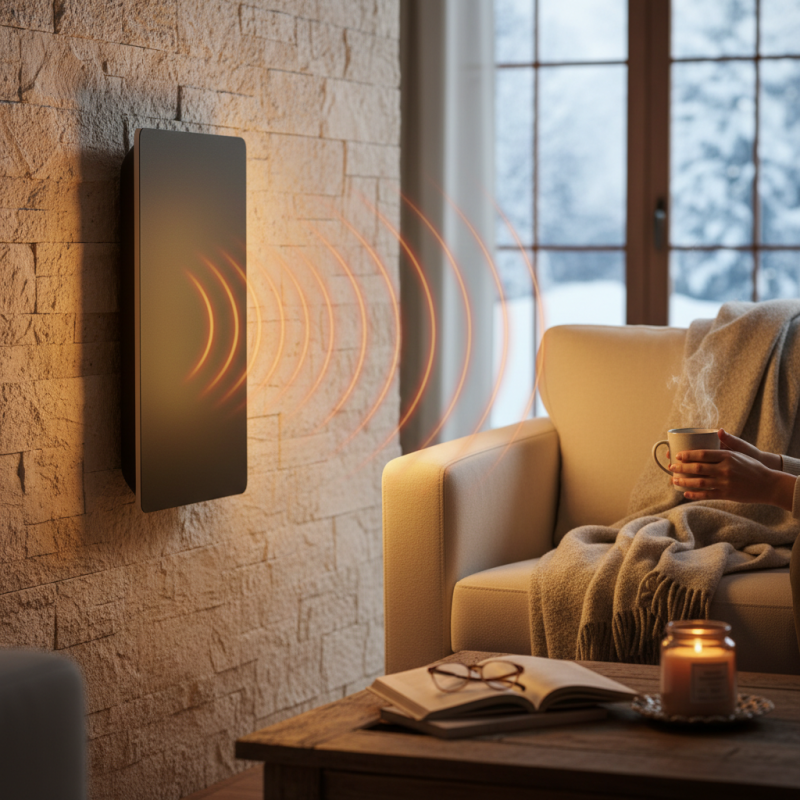
Electric infrared heaters are gaining popularity due to their efficiency in home heating. These heaters work by emitting infrared radiation, which directly warms objects and people in a room, leading to substantial energy savings. According to a report by the U.S. Department of Energy, infrared heating can be up to 30% more efficient than traditional heating systems. This is particularly beneficial for those in colder climates, where heating costs can be daunting.
The benefits of electric infrared heaters extend beyond energy savings. They can provide instant warmth and are perfect for spot heating in specific areas of the home. Unlike conventional heaters, they do not blow dust around, making them ideal for allergy sufferers. Their portability adds convenience, allowing you to move them where you need warmth the most.
Tips: When choosing an infrared heater, consider the size of the space you want to heat. A smaller room may require less wattage. Additionally, pay attention to the heater's safety features, especially if you have pets or small children. Unlike other heating systems, infrared heaters require minimal maintenance. Reflecting on these aspects can help maximize their effectiveness in your home.
Top Electric Infrared Heater Models for Efficient Home Heating
| Model |
Power Output (W) |
Heating Area (sq ft) |
Energy Efficiency |
Special Features |
| Model A |
1500 |
300 |
95% |
Remote Control, Timer |
| Model B |
1000 |
250 |
90% |
Wall Mountable, Adjustable Thermostat |
| Model C |
2000 |
400 |
93% |
Portable, Floor Standing |
| Model D |
750 |
150 |
92% |
Eco Mode, Child Safety Lock |
Key Features to Consider When Choosing an Infrared Heater
When selecting an electric infrared heater, consider the heating capacity. Look for models that specify the square footage they can efficiently warm. A higher wattage typically indicates better heating, but not all high-wattage models deliver optimal performance. It's important to match the heater’s rating with your specific needs to avoid underwhelming results.
Another key factor is safety features. Automatic shut-off mechanisms and overheat protection are essential for preventing accidents. Many advanced heaters now include timers and remote controls, adding convenience. Additionally, energy efficiency is crucial. Choose models with energy-saving modes to minimize your electricity bills, while still providing adequate warmth.
Evaluate the design and portability as well. Lightweight and compact units are easier to move around your home. However, this can sometimes compromise stability. Lastly, user reviews can provide insights into real-world performance, highlighting both strengths and weaknesses of each model. It’s a good idea to research thoroughly and compare options before making a decision.
Top Electric Infrared Heater Models Reviewed and Compared
When it comes to efficient home heating, electric infrared heaters stand out. These heaters function by emitting infrared radiation that warms up objects and people directly, rather than heating the air. According to a recent market analysis by Research and Markets, the electric infrared heating market is expected to grow significantly, with a CAGR of 5.2% from 2021 to 2026. This growth reflects a rising consumer shift towards energy-efficient heating solutions.
One key advantage is their ability to provide immediate warmth. Unlike traditional heaters that take time to warm a room, infrared models offer heat within seconds. However, the efficiency can vary based on room size and insulation. A poorly insulated room may lose heat quickly, diminishing the heater's effectiveness. Additionally, infrared heaters require sufficient spacing to operate optimally, and many users neglect this detail, leading to less than ideal performance.
While these heaters have garnered positive reviews for energy savings, there are considerations. Their reliance on electricity can be a drawback in areas with high energy costs. Moreover, the need for direct exposure to the heat source means that users could feel cold if they move too far away. Understanding these factors ensures that homeowners can make informed decisions about incorporating infrared heaters into their living spaces.
Energy Efficiency and Cost-Effectiveness of Infrared Heating
Electric infrared heaters have gained traction due to their impressive energy efficiency. According to a report by the U.S. Department of Energy, infrared heating can convert over 90% of the consumed energy into heat. This makes them a preferred choice for many homeowners looking to reduce energy costs. Unlike traditional heaters, infrared heaters warm objects directly rather than heating the air. This creates a more comfortable environment and reduces wasted energy.
Cost-effectiveness is another critical aspect of infrared heating. Homeowners can save on utility bills by using these heaters. Research indicates that using infrared heating can cut energy usage by up to 30% in some cases. Such savings are appealing, especially during colder months when heating demands are at their peak. However, it is important to consider initial purchasing and installation costs. Some models may be pricier upfront, which can lead to hesitation among potential buyers.
Despite these benefits, infrared heating is not without its challenges. For example, infrared heaters may require more strategic placement to ensure even heat distribution. Additionally, people can feel cold if standing in an unheated area since infrared doesn’t warm the air. These factors warrant discussion for those considering making a switch to infrared heating systems.
Top Electric Infrared Heater Models for Efficient Home Heating
This chart illustrates the energy efficiency (measured in watts per square meter) and cost-effectiveness (annual operational cost in USD) of various electric infrared heater models available in the market.
Safety Considerations for Using Electric Infrared Heaters in Homes
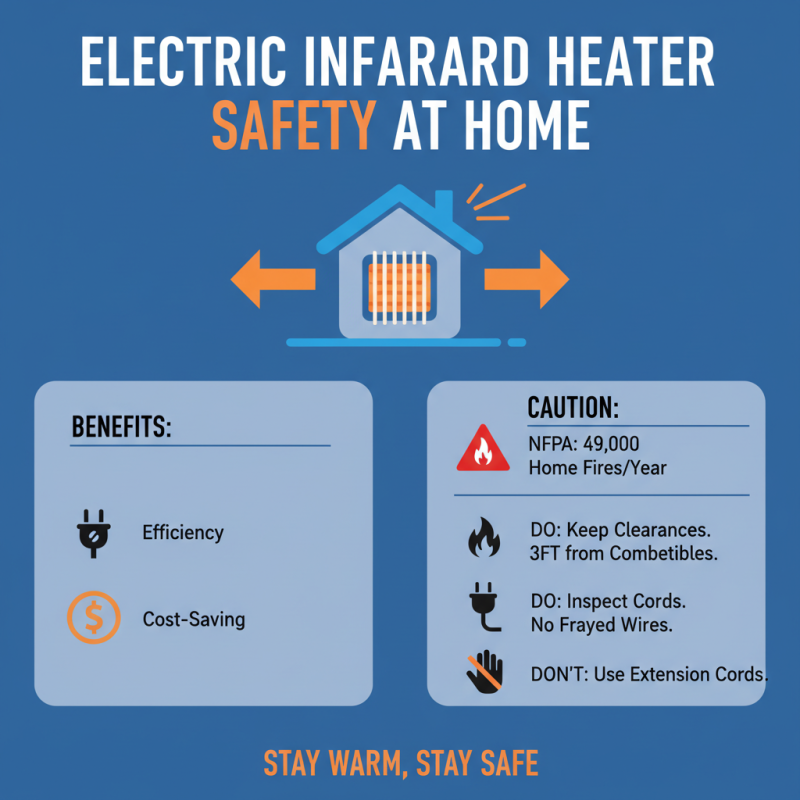
Electric infrared heaters are becoming popular for home heating due to their efficiency. However, safety remains a crucial topic. According to the National Fire Protection Association (NFPA), heating equipment is involved in 49,000 home fires annually. Using electric infrared heaters requires caution to minimize risks.
When placing heaters, keep them at least three feet away from flammable materials. This simple tip can prevent accidental ignitions. Many people overlook the importance of this space. In addition, ensure your heater has a tip-over switch. This feature automatically shuts off the unit if it falls. It improves overall safety, especially in homes with pets or children.
Regular maintenance is vital. Clean dust and debris from your heater periodically. Neglecting this can lead to overheating, which poses a safety hazard. Ensure that cords are intact, and never use an extension cord. Electrical issues can arise from frayed wires, leading to potential fires. Stay vigilant and make safety your priority when using these heating devices.