Mica Insulated Band Heater Types for Global Buyers in 2026?
Mica Insulated Band Heaters are essential components for various heating applications in industries worldwide. These heaters provide efficient, uniform heating, making them popular among manufacturers. As global markets evolve, the demand for specific types of Mica Insulated Band Heaters is expected to grow in 2026. This evolution is driven by technological advancements and changing industry needs.
The landscape of Mica Insulated Band Heaters includes multiple designs. Each type serves different purposes and industries. Buyers must understand the unique features and benefits of each type. Customization options can enhance productivity and energy efficiency. However, this variety can also lead to confusion among buyers trying to make informed decisions.
To navigate the market effectively, one must assess the reliability and performance of these heaters. Researching manufacturers and reading reviews can provide valuable insights. Despite abundant choices, quality should not be compromised. Making the right choice in Mica Insulated Band Heaters can significantly impact operational efficiency and cost-effectiveness.
Overview of Mica Insulated Band Heaters in 2026
Mica insulated band heaters are increasingly important in various industrial applications. These heaters provide efficient heating solutions for pipes, tanks, and containers. By 2026, the demand for these products is expected to rise significantly. According to recent market analysis, global sales of mica insulated band heaters are projected to reach over $1 billion by 2026. This growth highlights their critical role in manufacturing and processing industries.
The efficiency and reliability of mica insulated band heaters stem from their unique design. They can withstand high temperatures while providing consistent heat distribution. However, challenges remain. For instance, there are concerns about the durability of mica in certain environments. Users need to be aware of potential wear and the need for regular maintenance. Proper installation practices are essential to maximize efficiency and lifespan.
Moreover, the market exhibits diverse buyer preferences. Some industries favor versatile designs, while others seek specific temperature control capabilities. The varying requirements present a challenge for manufacturers. They must innovate while addressing reliability and cost factors. Understanding these dynamics is key for stakeholders looking to invest in this sector by 2026.
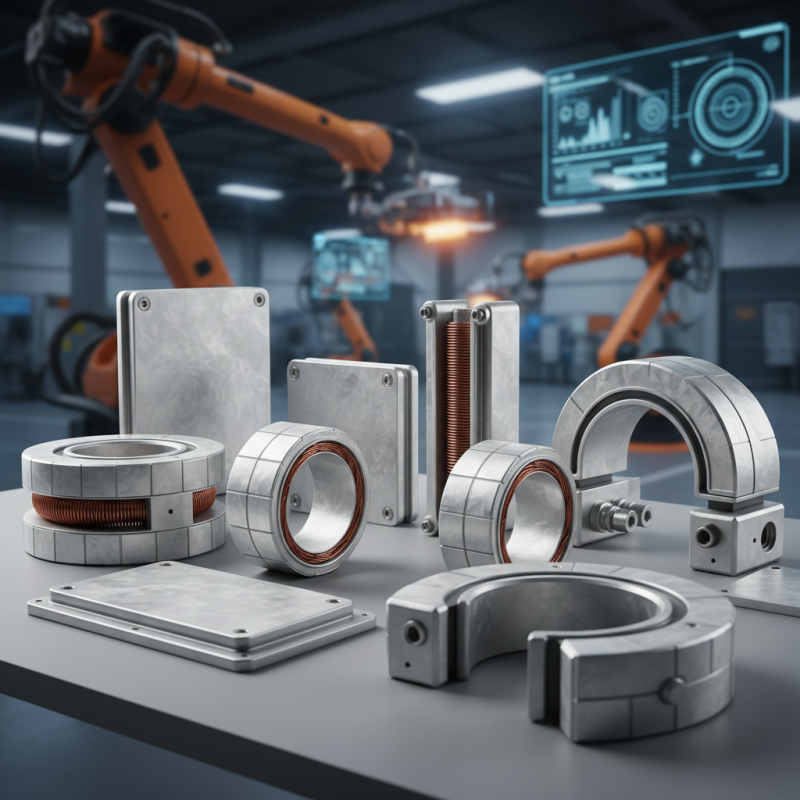
Types of Mica Insulated Band Heaters Available Globally
Mica insulated band heaters are essential in various industries. They provide efficient heat transfer and can withstand high temperatures. The global market is filled with different types of these heaters, catering to diverse applications.
One common type is the standard mica band heater. It is ideal for heating cylindrical objects, like barrels. This heater offers quick heating and uniform temperature distribution. Another type is the flexible mica band heater. This version is more adaptable, making it suitable for irregularly shaped components. Users often appreciate its lightweight design and ease of installation.
Despite their advantages, these heaters require careful handling. Mica, while effective, can be brittle. Users should regularly check for cracks or damage. Maintenance is crucial to ensure longevity. Mica insulated band heaters can be a reliable choice if used properly. Buyers should consider the specific needs of their applications before making a selection.
Key Features and Benefits of Mica Insulated Band Heaters
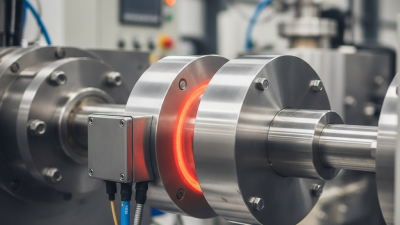
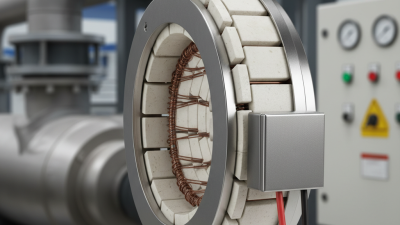
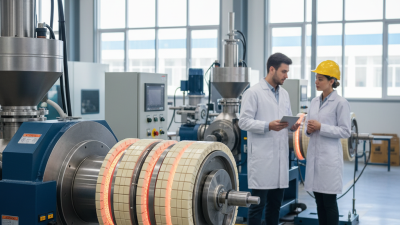
Mica insulated band heaters are essential in various industries due to their exceptional heating capabilities. These heaters are designed to provide consistent and efficient heating. They are commonly used on cylindrical objects, enabling uniform heat distribution. Their construction features a mica insulator that can withstand high temperatures, making them durable and effective.
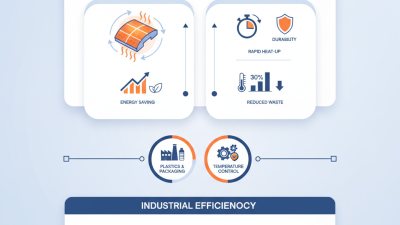
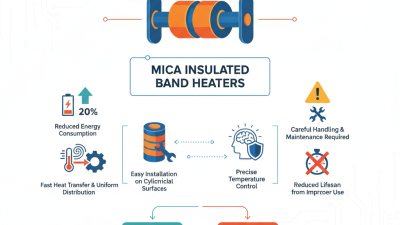
One key advantage of mica insulated band heaters is their rapid heat-up time. This feature reduces energy consumption and improves productivity. Many industrial applications benefit from this efficiency. Additionally, the heaters are lightweight, making them easy to install and replace. Their versatility allows for usage in different sectors, such as plastics, packaging, and food processing.
While mica insulated band heaters excel in many areas, there are challenges to consider. Over time, exposure to high temperatures can degrade their performance. Regular inspection is vital to ensure they operate efficiently. Understanding the installation process is crucial. A poor fit can lead to uneven heating and increased energy usage. Therefore, careful consideration is needed when selecting these heaters for specific applications.
Mica Insulated Band Heater Types and Their Benefits in 2026
This chart illustrates the projected global demand for various types of mica insulated band heaters in 2026. As seen, the standard mica band heater leads in demand, followed by high watt density and low-profile mica heaters, reflecting their essential role in diverse industrial applications.
Market Trends Influencing Mica Insulated Band Heater Demand
Mica insulated band heaters are essential in various industries, especially in manufacturing and processing. As we look toward 2026, several market trends are shaping the demand for these heaters. The global expansion of the plastics and food processing sectors drives significant interest in energy-efficient heating solutions. According to recent market research, the mica insulated heater market is projected to grow at a CAGR of 5% from 2021 to 2027. This growth indicates a rising need for reliable heating technologies.
The push for sustainable practices is another critical factor influencing the mica insulated band heater market. With energy efficiency being a global concern, companies are opting for heaters that minimize energy consumption while maximizing output. This trend aligns with regulatory pressures for reduced carbon footprints and lower greenhouse gas emissions. Reports suggest that heaters with advanced insulation technology can save up to 20% more energy compared to standard models.
Tips: When selecting a mica insulated heater, consider the application specifics. Temperature ranges and material compatibilities should match your operational needs. Additionally, seeking products with certifications can enhance reliability and performance. It’s crucial to analyze both initial costs and long-term energy savings for informed decision-making. Understanding these dynamics can help you navigate the evolving landscape of heating solutions effectively.
Mica Insulated Band Heater Types for Global Buyers in 2026
| Heater Type |
Voltage Range (V) |
Power Range (W) |
Temperature Range (°C) |
Material |
| Standard Mica Band Heater |
100 - 240 |
100 - 1000 |
0 - 400 |
Mica |
| High-Temperature Mica Band Heater |
220 - 480 |
500 - 1500 |
0 - 600 |
Mica |
| Low-Profile Mica Band Heater |
100 - 240 |
50 - 800 |
0 - 350 |
Mica |
| Custom Mica Band Heater |
110 - 240 |
100 - 2000 |
0 - 500 |
Mica |
Considerations for Global Buyers in Selecting Mica Insulated Band Heaters
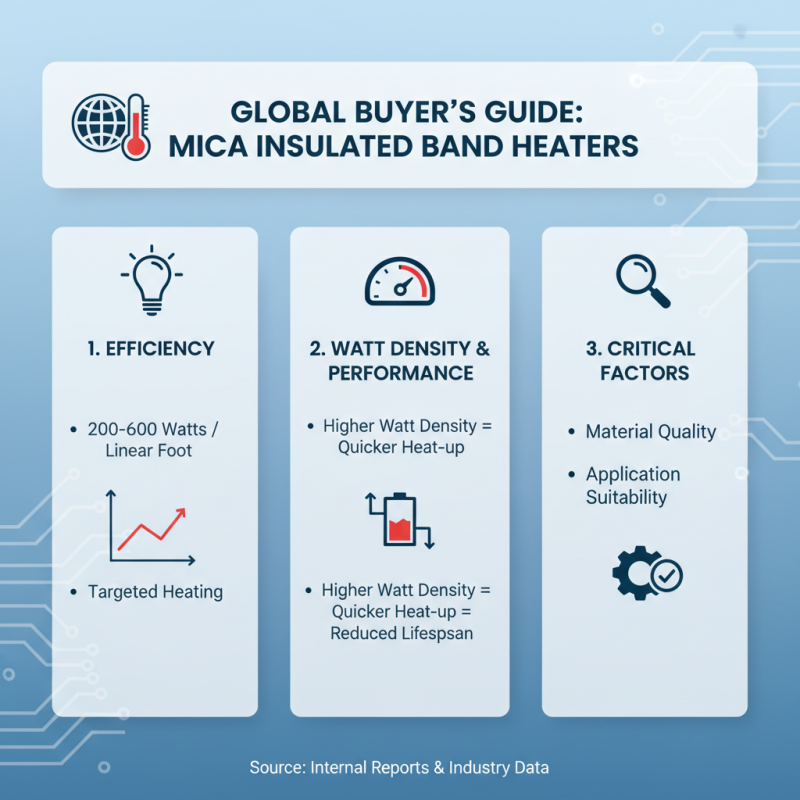
When selecting mica insulated band heaters, buyers should focus on several critical factors. Efficiency is paramount; these heaters typically operate between 200 to 600 watts per linear foot, providing targeted heating. Understanding the performance and watt density is crucial. Reports indicate that higher watt densities can lead to quicker heat up times but may also reduce the lifespan of the heater.
Material quality plays a significant role. Mica insulation is known for its excellent heat resistance and durability. Buyers must verify that the mica used meets industry standards. According to industry insights, approximately 15% of heaters fail prematurely due to substandard materials. Many users underestimate the importance of proper sizing. An ill-fitting band heater can cause inefficiencies, waste energy, and ultimately harm the application.
Maintenance and installation are often overlooked. Regular checks can extend the heater's lifespan. Many users report issues stemming from improper installation, leading to inconsistent heating. Considering environmental factors is equally important. Operating conditions, such as ambient temperature and exposure to moisture, can affect heater performance. Buyers are encouraged to analyze these conditions thoroughly.