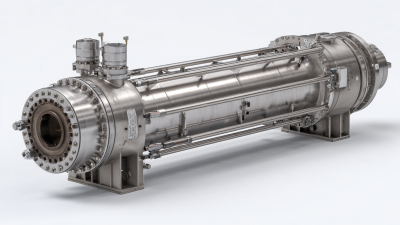
What is a Heater Bar and How Does It Work?
In today’s industrial landscape, the Heater Bar has emerged as a crucial component in various applications, from manufacturing to HVAC. Studies indicate that the global heater market is projected to reach $30 billion by 2026, reflecting a consistent demand for efficient heating solutions. Heater Bars not only provide reliable heating but also promote energy efficiency, making them a preferred choice in emerging technologies.
The functionality of a Heater Bar is rooted in its design. It typically consists of a resistive wire that generates heat when an electric current is passed through it. This process offers controllable heat outputs, which is vital in settings that require precise temperature maintenance. Despite its efficiency, the choice of materials and construction can sometimes lead to performance issues, highlighting the importance of quality in manufacturing.
Understanding how a Heater Bar works fosters better application in real-world scenarios. While they are commonly used in plastics processing, food production, and automotive sectors, improper installation can diminish their effectiveness. Industry experts emphasize that regular maintenance and attention to setup are necessary to avoid potential failures.
What is a Heater Bar: Definition and Overview
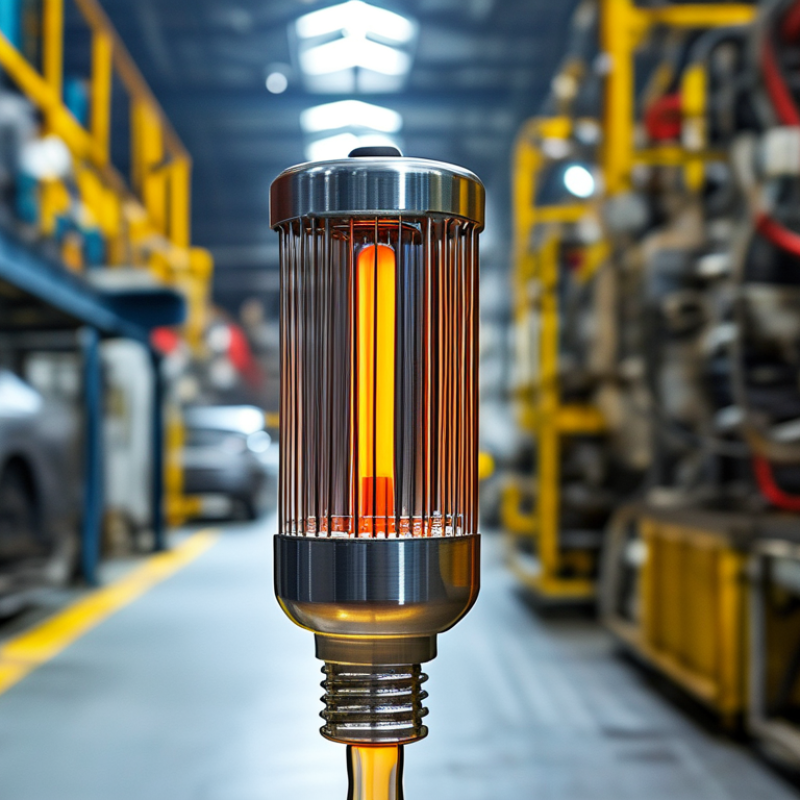
A heater bar is a specialized heating element used across various industries. It effectively generates heat to aid in processes like warming up materials, melting substances, or regulating temperatures. Typically, these bars are made from materials that conduct heat efficiently. A report from the Industrial Heating Association indicates that effective thermal management is crucial, and heater bars play a significant role in this.
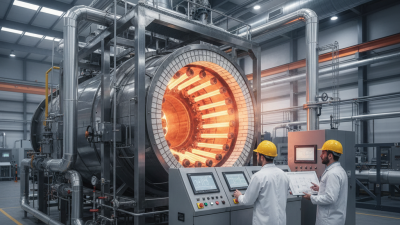
The functionality of a heater bar centers on converting electrical energy into heat. This process takes place through electrical resistance when an electrical current passes through the resistance material. According to industry statistics, heater bars can achieve temperatures exceeding 1,000°F. It's crucial for manufacturers to assess the quality of these components. A lack of attention to detail can lead to inefficiencies or unexpected downtime. Moreover, not all heater bars are created equal; the choice of material and design impacts performance.
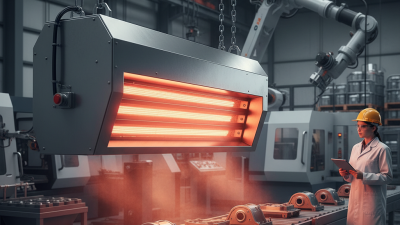
In the context of applications, heater bars are versatile. They are found in packaging, food processing, and plastic molding. These sectors illustrate their potential, though improper selection or maintenance can lead to operational failures. Understanding the specific needs of each application is vital. Data shows that an optimal heater bar can reduce processing times by 20%. This efficiency highlights the importance of choosing the right heating element for industrial applications.
Heater Bar Gas Consumption by Type
Types of Heater Bars: Different Designs and Applications
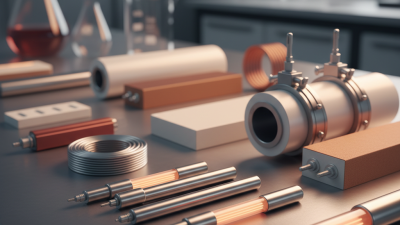
Heater bars come in various designs and serve multiple applications. Understanding their types is crucial for making informed choices. A common type is the silicone heater bar. These are flexible and can conform to different shapes. They are often used in medical devices, laboratories, and food processing industries. Their versatility allows for efficient and safe heating.
Another type is the ceramic heater bar. This provides rapid heating and is highly efficient. Ceramics can withstand high temperatures without compromising safety. Typical applications include industrial ovens and heat treatment processes. Users often prefer ceramic heater bars for long-lasting performance.
Aluminum heater bars offer lightweight yet effective heating solutions. They dissipate heat evenly, making them suitable for applications like printing and packaging. However, they may lack the flexibility of silicone options. Each type has its pros and cons. This is where careful consideration comes into play. The right choice depends on specific requirements and the environment in which the heater bar will be used.
Working Principle: How Heater Bars Generate Heat
Heater bars are essential components in many heating applications. They operate on a simple yet effective principle. When electric current passes through the heating element, it generates heat. The heat then spreads through the bar and is transferred to the surrounding environment.
These heater bars often use materials like metal or ceramic for efficient heat conduction. The basic design includes a resistive element, which converts electrical energy into thermal energy. As the current flows, resistance increases, producing heat that warms the surface of the heater bar. This process continues as long as the current is supplied, ensuring consistent heating.
Tip: Regularly check the connections of your heater bar. Loose connections can decrease efficiency and potentially cause overheating.
Some users might notice that heater bars can take time to reach desired temperatures. This delay can be an issue in time-sensitive situations. Refining installation and setup can minimize these delays. Attention to detail in placement can enhance performance.
Tip: Always ensure proper insulation around heater bars. This helps maintain efficiency and reduces energy waste.
By understanding how heater bars work, users can better appreciate their value in various heating applications. Effective use requires careful consideration and ongoing maintenance.
Installation Process: Steps for Setting Up a Heater Bar
Installing a heater bar requires careful planning and execution. The heater bar is an essential device. It provides consistent heat in various environments. To set it up properly, you need to follow specific steps. Start by selecting the right location. It should be near a power source and away from flammable materials. According to industry reports, improper placement can reduce efficiency by 20%.
Next, gather your tools and materials. You'll need mounting brackets, a screwdriver, and electrical connections. Ensure that you have the correct gauge of wire for your power needs. The National Electric Code (NEC) provides guidelines on wiring and installations. Following these regulations can prevent potential hazards.
Once you are ready, install the mounting brackets securely. Ensure they are level to avoid any misalignment issues. Next, attach the heater bar. Connect the wiring according to the manufacturer's instructions. Check all connections for safety. If uncertain, consulting a professional electrician is advisable. Incorrect wiring can lead to equipment failure and safety risks. Always prioritize safety during installation.
Common Uses and Benefits of Heater Bars in Various Industries
Heater bars are essential devices used across multiple industries for heating purposes. Their common applications range from home heating systems to industrial processes. Food production often benefits from heater bars for maintaining optimal temperatures. In laboratory settings, they ensure precise temperature control for experiments.
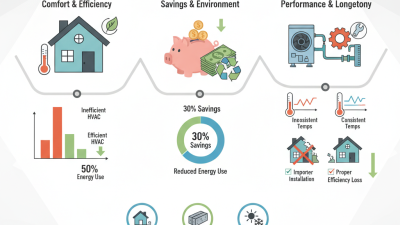
One significant benefit of heater bars is energy efficiency. They can provide consistent heating with minimal energy loss. This feature reduces costs and environmental impact. They also require less maintenance compared to traditional heating systems. However, users should monitor their performance regularly to prevent overheating.
Tips: Always follow safety protocols when operating heater bars. Check for any wear and tear on the equipment. Ensure proper installation to maximize effectiveness. Awareness of the heating area can prevent accidents and improve efficiency. In some cases, heater bars may not heat evenly. Adjusting placement can help achieve better results.
What is a Heater Bar and How Does It Work? - Common Uses and Benefits of Heater Bars in Various Industries
| Industry |
Common Uses |
Benefits |
Temperature Range (°C) |
| Manufacturing |
Heating molds and dies |
Improved production efficiency |
50 - 200 |
| Food Industry |
Melting chocolate and warming sauces |
Consistent temperature for quality |
30 - 100 |
| Petrochemical |
Heat tracing for pipelines |
Prevention of material freezing |
-10 - 150 |
| Plastics |
Preheating thermoplastics |
Enhanced material flow |
60 - 180 |
| Textiles |
Drying fabrics |
Reduced drying time |
40 - 120 |