What Is a Finned Heater and How Does It Work?
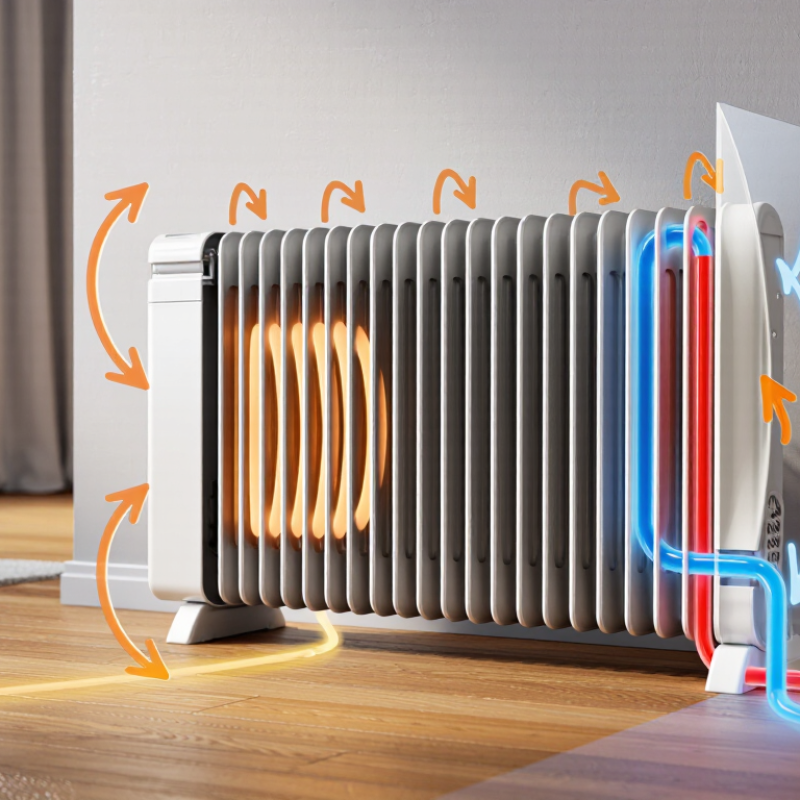
A Finned Heater uses metal fins to increase the surface area that releases heat into the surrounding air. In many electric models, a resistance element warms the finned tube. In hydronic systems, hot water or another heated fluid may warm it instead. The design is straightforward. Warm air rises from the heater, while cooler air moves in to take its place. This natural circulation helps distribute heat through a room, though performance depends on the heater’s size, placement, and operating conditions.
The fins are not just decoration. Their added surface area helps transfer heat, but it does not guarantee that every room will warm evenly. Furniture, curtains, airflow, and room insulation can all affect results. Small details matter. Understanding the heater’s energy source is important, too: electric and hydronic models need different connections and maintenance. Before choosing or installing one, check the manufacturer’s specifications, required clearances, and guidance for the intended space. When installation involves electrical or plumbing work, a qualified professional can help verify that the setup is suitable. This guide explains the main parts of a Finned Heater, how heat moves from its element or fluid into a room, and what to consider when comparing models. The explanation is useful, but real-world performance still depends on the building around it. That part is easy to overlook.
What Is a Finned Heater?
What Is a Finned Heater?
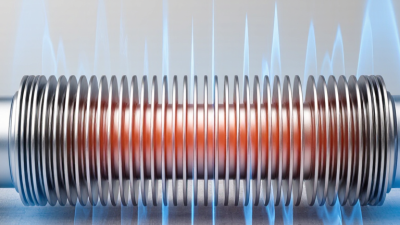
A finned heater is an electric heating element fitted with thin metal fins. These fins add surface area, helping heat move from the element into passing air or another surrounding medium. Picture a metal tube with closely spaced ridges: the ridges warm up, then transfer heat by convection and radiation. The heater’s exact construction varies, but its purpose is practical—deliver heat across more exposed surface than a bare element can offer.
Fins do not create extra energy. They provide more area for heat transfer, and airflow, fin spacing, and operating temperature all affect performance. A fan can carry heat away quickly; in still air, heat tends to rise more slowly. Details matter. The U.S. Department of Energy describes electric resistance heating as nearly 100% efficient at the point of use, though that figure does not account for electricity-generation losses. It describes resistance heating broadly, not a guaranteed efficiency rating for every finned heater.
The scale of heating makes the distinction relevant. The U.S. Energy Information Administration’s 2020 Residential Energy Consumption Survey reports that space heating made up about 42% of U.S. household energy consumption. That is a broad household figure, not a finned-heater statistic. It also reminds us that a heater’s real-world usefulness depends on the room, controls, and heat loss—not fins alone. It is easy to overvalue the metal ridges. Better to check the rated output and installation conditions.
What Are the Main Components of a Finned Heater?
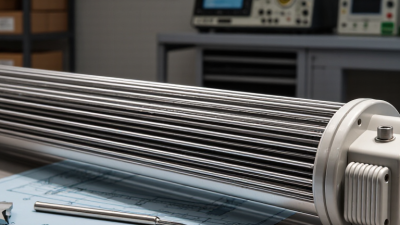
A finned heater is typically a tubular electric heating element with thin metal fins attached to its outer sheath. The fins increase the surface area exposed to moving air. That helps transfer heat into a duct, cabinet, or other ventilated space. The heater still depends on adequate airflow; fins cannot compensate for blocked passages.
Inside the tube, a coiled resistance wire generates heat when electric current passes through it. Electrical-grade magnesium oxide surrounds the wire, helping insulate it while conducting heat toward the metal sheath. The sheath protects these internal parts and carries heat to the fins. Small gaps, damage, or poor assembly can affect performance, so construction quality matters.
At the ends, terminals connect the element to its power supply. Some assemblies also include mounting brackets, a frame, or temperature-control and overheat-protection devices. Those controls may be separate, depending on the design. Not always included. For selection or maintenance, check the heater’s rated voltage, wattage, dimensions, and airflow requirements. A detail that is easy to miss: tightly packed fins may collect dust, which can restrict airflow and reduce heat transfer over time.
What Is a Finned Heater and How Does It Work?
A finned heater is a resistance heater fitted with metal fins to increase the surface area that transfers heat to moving air. The chart compares approximate room-temperature thermal conductivity for materials commonly used in its main components.
How it works: Electrical resistance in the alloy wire produces heat. Magnesium oxide electrically insulates the wire while conducting heat to the metal sheath; the fins spread that heat over a larger area for transfer to air. Values are approximate and vary with material grade, density, and temperature.
How Does a Finned Heater Transfer Heat?
A finned heater transfers heat through a metal heating element and the fins attached to it. Electrical energy warms the element, and heat passes through the metal by conduction. The fins extend the heated surface area, giving surrounding air more contact with warm metal. More surface area can improve heat transfer, though it does not guarantee fast room heating.
That matters. Air touching the fins warms, becomes less dense, and rises. Cooler air moves in to replace it, creating natural convection around the heater. In some installations, a fan moves air across the fins and increases the rate of heat transfer. The fins also emit a smaller amount of heat directly to nearby surfaces through radiation. Air moves slowly. So placement and airflow can affect results: a blocked inlet or tight enclosure may limit circulation. A common assumption is that more fins always mean better performance; that is not necessarily true. Fin spacing, heater temperature, and the surrounding airflow all play a part. The actual warmth you feel may vary with the room and installation.
|
What Is a Finned Heater and How Does It Work? - How Does a Finned Heater Transfer Heat?
|
| Stage or Feature |
What Happens |
Heat-Transfer Method |
Factors That Matter |
| 1. Electrical heating |
Electric current passes through a resistive element, producing heat. |
Electrical resistance converts electrical energy into thermal energy. |
Element power, supply voltage, and temperature controls determine heat output and operating temperature. |
| 2. Heat moves to the sheath |
Heat travels from the resistive element through electrically insulating material to the heater’s metal sheath. |
Conduction through the internal materials and sheath. |
Good internal contact and suitable materials help conduct heat while maintaining electrical insulation. |
| 3. Fins spread the heat |
Metal fins attached to the sheath conduct heat outward and provide more exposed surface area than the bare tube alone. |
Conduction through the fin material, followed by heat transfer from the fin surfaces. |
Fin material, attachment, surface area, and cleanliness affect how effectively heat reaches the surrounding air. |
| 4. Air is heated |
Air flowing past the fins warms as it receives heat from their surfaces. |
Convection: natural airflow can occur as warm air rises, while a fan or blower creates forced airflow. |
Air speed, inlet temperature, fin spacing, and unobstructed airflow influence heat transfer. |
| 5. Heat reaches the space or process |
The warmed air carries energy into the room, duct, or equipment being heated. |
Air movement transports heat away from the heater and distributes it through the surrounding space. |
Heater placement, circulation, room or duct size, and heat loss affect temperature distribution. |
| Typical applications |
Finned heaters are commonly used to warm air in ducts, enclosures, and other spaces where air can move around the fins. |
Primarily convection to air; radiation from hot surfaces may also occur. |
The heater must be selected and installed for the intended airflow, electrical supply, temperature limits, and environment. |
Where Are Finned Heaters Commonly Used?
Finned heaters are commonly used where air needs warming as it moves through a system. Their metal fins enlarge the heating surface, helping transfer heat to passing air. You will often find them inside ventilation ducts, air-handling units, and equipment cabinets that need controlled temperatures. A workshop make-up-air system, for example, may use one to temper cold outdoor air before it reaches occupied areas. Air must keep moving. Without enough airflow, element temperatures can rise quickly, so systems typically include airflow sensing and over-temperature protection.
These heaters also appear in drying equipment, industrial process-air systems, and some commercial ovens where steady heat is useful. In a warehouse, a finned unit might warm a small enclosure or protect equipment from cold, rather than heat the entire building. That distinction matters. Sizing depends on airflow, inlet temperature, the desired outlet temperature, and electrical supply. A heater that looks adequate on paper may still produce uneven results if air bypasses its fins. Duct shape, fan performance, and dust buildup can change performance over time. I would not treat “finned” as a guarantee of efficiency or safety. It describes a heat-transfer design, not a complete system. Installation details still deserve careful review.