Top 5 Tips for Choosing a Radiant Process Heater?
In the world of industrial heating, choosing a suitable Radiant Process Heater can significantly impact operational efficiency. Renowned industry expert Dr. Emily Carter emphasizes, "The right heater is key to maximizing productivity and energy efficiency." Understanding how to select the best heater involves considering various factors like energy source, installation, and maintenance needs.
Radiant Process Heaters offer targeted heating, which can enhance production processes. However, not all heaters are created equal. Businesses must evaluate their specific applications and requirements carefully. The heater's capabilities should align with the intended use to avoid inefficiencies.
While many overlook critical specifications, a thoughtful approach can prevent costly mistakes. Remember, the selection process is often multifaceted. A thorough understanding of features, benefits, and limitations is necessary. Each detail matters, as a small oversight can lead to significant operational challenges later. Engaging with experts and conducting detailed research is crucial for achieving optimal performance.
Understanding the Basics of Radiant Process Heaters
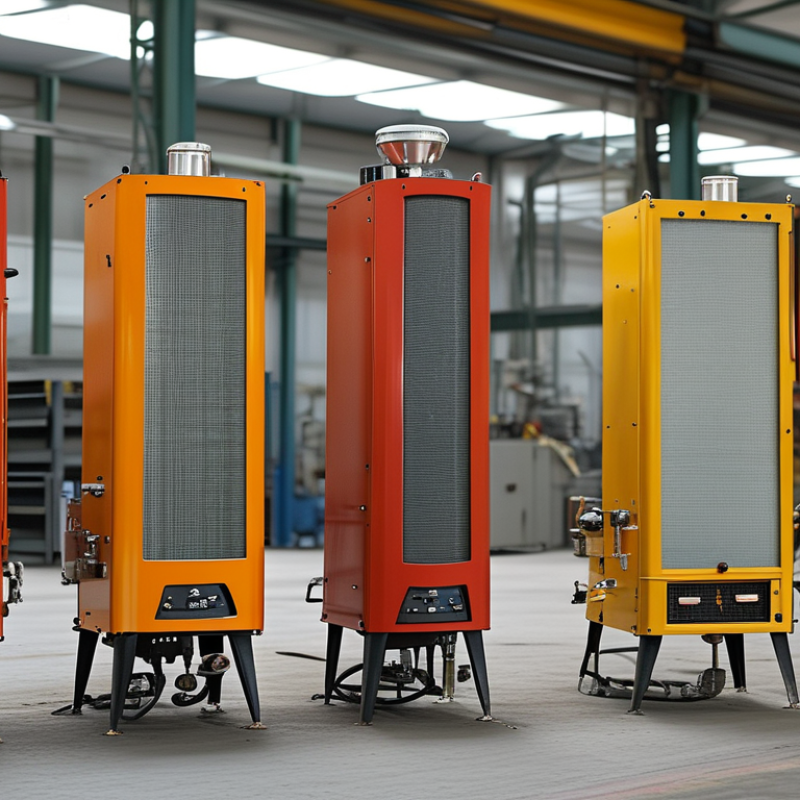
When selecting a radiant process heater, it's essential to understand how they operate and their various applications.
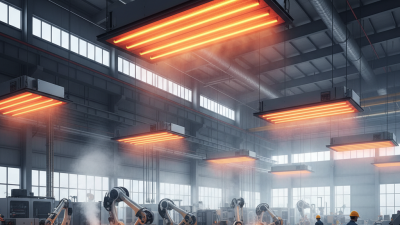
Radiant heaters use infrared radiation to transfer heat directly to objects. This method is efficient for a range of industrial processes.
Knowing how radiant heat behaves can help in optimizing its use.
Tip one: Consider your heat requirements.
Different applications need varying heat levels. If your process demands high temperatures, ensure the heater can meet these specifications.
Review the heater's output ratings closely.
Tip two: Evaluate the installation space.
The size and layout of your facility affect heater performance. Ensure there's enough room for safe and effective operation.
Also, think about the heater's positioning to maximize efficiency.
Tip three: Look into energy efficiency.
Operational costs can vary significantly based on energy consumption. Heaters with better efficiency ratings save money over time.
Analyze operational parameters before making a decision.
Evaluating Heat Transfer Efficiency in Radiant Heaters
When selecting a radiant process heater, evaluating heat transfer efficiency is crucial. Effective heat transfer ensures your system operates optimally, minimizing waste and energy costs. According to industry reports, radiant heaters can achieve efficiency ratings up to 95% in ideal conditions. This efficiency is primarily influenced by the design and material of the heater.
Tip: Look for heaters with reflective surfaces. These surfaces enhance heat distribution and can significantly boost efficiency. Another consideration is input-output temperature differences. Reacting to these metrics can indicate inefficiencies. If the radiative heat loss exceeds 10%, a review of your heater may be warranted.
Regular maintenance is vital. Industry studies suggest that poorly maintained heaters can lose up to 20% of their efficiency. Scheduling inspections ensures that components are in proper working order. Heat transfer efficiency can vary greatly based on environmental conditions and operational practices. It’s important to balance efficiency with practicality in your operations.
Continuously assess heat usage to optimize performance. Ultimately, focusing on heat transfer efficiency will lead to more sustainable and cost-effective heating solutions.
Identifying Key Features for Your Heating Needs
Selecting the right radiant process heater requires careful consideration of several key features. Understanding your heating needs is crucial. Start by assessing the space you intend to heat. Measure the area and factor in the insulation quality. This will help determine the heater's capacity. A heater with insufficient output can lead to inefficiencies and wasted energy.
Next, evaluate the heater's temperature control options. Precision in maintaining desired temperatures can greatly affect your processes. Look for models that offer digital controls or programmable settings. These features enhance efficiency and prevent overheating. Always check the response time of the heater. Slow adjustments can result in unwanted temperature fluctuations.
Consider the heater’s design and integration options as well. It should fit seamlessly into your existing setup. Some designs work better in confined spaces, while others may require more clearance. Also, think about the maintenance needs. Models that require frequent servicing can disrupt operations. Choose a unit that balances performance with easy upkeep.
Assessing Safety Standards and Compliance for Heaters
When selecting a radiant process heater, safety standards cannot be overlooked. Compliance with relevant regulations is essential. Inspecting the heater's certifications can help you verify safety measures. Many heaters may lack the necessary endorsements, leading to potential risks.
It's crucial to assess the materials used in the heater's construction. High-quality materials ensure durability and minimize hazards. However, not all manufacturers provide complete transparency about their materials. Seek detailed information about insulation and overheating protection. Small details can have significant implications for safety.
Regular maintenance is vital for compliance. Some users neglect this aspect, assuming heaters will operate safely without checks. Incorporating routine inspections can reveal issues early. These inspections should adhere to established guidelines and safety practices. Safety is not just about initial compliance. It's an ongoing commitment to ensure reliable operation.
Top 5 Tips for Choosing a Radiant Process Heater
| Tip |
Description |
Safety Standards |
Compliance Check |
| 1. Assess Heating Efficiency |
Choose a heater with high thermal efficiency to reduce energy costs. |
Look for ratings like Energy Star or similar. |
Verify compliance with local energy regulations. |
| 2. Evaluate Safety Features |
Select heaters that come with built-in safety features like overheat protection. |
Ensure compliance with OSHA and NFPA standards. |
Check for third-party safety certifications. |
| 3. Understand Installation Requirements |
Clarify the installation needs and if professional help is recommended. |
Check for compliance with local building codes. |
Review any required permits or inspections. |
| 4. Consider Maintenance Needs |
Choose models that are easy to maintain and have accessible parts. |
Follow manufacturer guidelines to stay compliant. |
Schedule regular maintenance checks for compliance verification. |
| 5. Research Manufacturer Reputation |
Investigate the reliability and customer service of the heater manufacturer. |
Check for recalls or compliance issues reported. |
Look for testimonials and reviews that discuss safety compliance. |
Considering Cost and Maintenance Factors in Your Decision
When choosing a radiant process heater, cost and maintenance are crucial factors. The initial cost of the heater can vary significantly. It’s essential to assess what you can afford. A cheaper model might save money upfront, but could lead to higher maintenance costs later. Look beyond just the sticker price.
Maintenance requirements should also factor into your decision. Some heaters have complex systems that require expert service. This can add to your expenses over time. A heater that seems affordable may have hidden costs. Assess the availability of service technicians in your area. Consider whether you can manage basic maintenance or if you need professional help.
It's wise to weigh the total cost of ownership. Analyze energy efficiency ratings. A more efficient model may have a steeper initial investment but can save money long-term. Make informed calculations on expected operational costs.
While choosing a heater, reflect on your specific needs and the environment in which the heater will operate. This critical analysis will lead to a better investment for your process heating requirements.