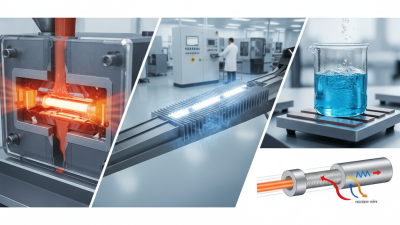
Choosing the 10 Best Finned Heater options for industrial use requires more than comparing wattage or purchase price. A reliable Finned Heater must deliver steady heat, resist contamination, and fit the process environment. Airflow, operating temperature, enclosure design, control accuracy, and maintenance access all influence performance. A heater that works well in a clean workshop may fail quickly beside dust, oil mist, or corrosive vapors.
Thermal engineering author Yunus A. Çengel explains, “Heat transfer is the study of the rates of heat transfer.” That principle remains practical on an industrial floor. Fins increase surface area, helping transfer heat into moving air. However, more fins do not automatically mean better results. Poor spacing can trap dust and restrict airflow. Undersized terminals can also create hot spots near the connection box.
This guide evaluates ten industrial Finned Heater choices through realistic criteria. These include material quality, heat output, temperature control, installation flexibility, service life, and manufacturer support. Applications may include ovens, cabinets, ducts, drying equipment, and process-air systems. Safety remains essential, especially when heaters operate continuously or near combustible materials. Proper guarding, grounding, over-temperature protection, and qualified installation should never be treated as optional.
No list is perfect. That matters.
Actual performance depends on airflow, duty cycle, local conditions, and maintenance discipline. We therefore avoid treating a single specification as proof of superiority. Instead, the comparison highlights practical strengths, possible limitations, and situations where each heater may be suitable. Readers should verify technical data with the manufacturer before final selection. A careful decision today can prevent uneven heating, unexpected downtime, and costly replacement later.
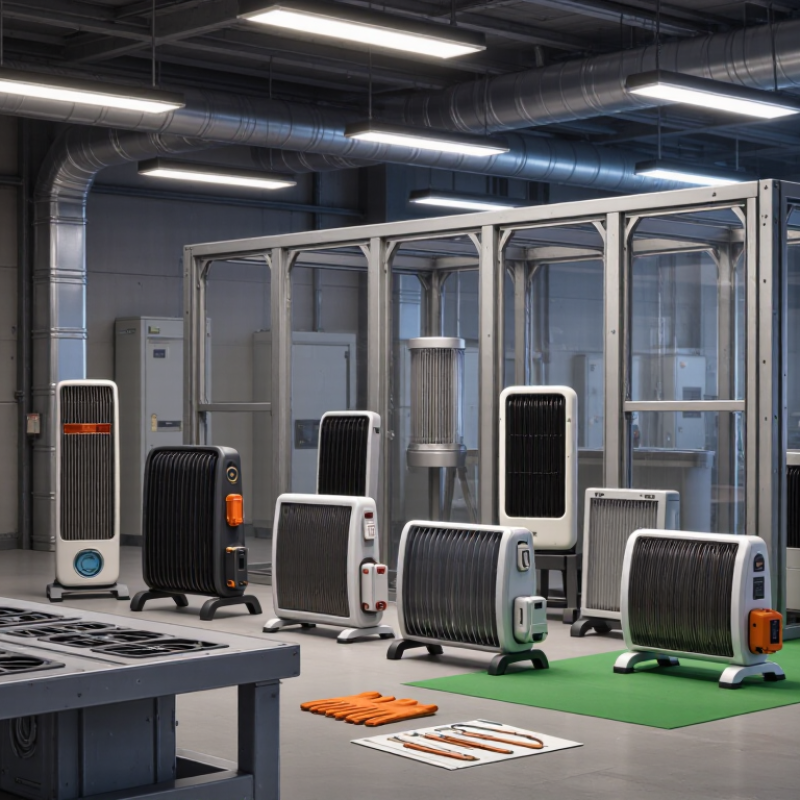
Finned heaters are electric resistance heaters designed to transfer heat efficiently into moving air or gases. A resistance wire sits inside a metal sheath, while closely spaced fins increase the exposed surface area. When current passes through the wire, electrical energy becomes heat. Air then moves across the fins, absorbs that heat, and exits at a higher temperature. Some radiant heat also escapes, but convection does most of the work.
The ASHRAE Handbook—HVAC Systems and Equipment explains that electric resistance heating provides nearly direct energy conversion at the point of use. This makes finned heaters practical for ducts, drying chambers, enclosures, and process-air systems. The U.S. Department of Energy’s Industrial Decarbonization Roadmap identifies process heating as roughly half of manufacturing energy use. Small efficiency losses can therefore become expensive across continuous operations. Correct airflow matters. Too little airflow can overheat the sheath, damage controls, or create uneven temperatures.
In industrial installations, engineers check watt density, air velocity, inlet temperature, clearance, and control response. IEC 60519-1 also emphasizes protective measures for industrial electroheating equipment. Real sites are less predictable than drawings suggest. Dust can cover fin surfaces. Fans may deliver less air than rated. A heater that looks correctly sized may still produce cold zones downstream. Measuring outlet temperature and current during commissioning is essential, although many facilities treat it as optional. That decision deserves reconsideration.
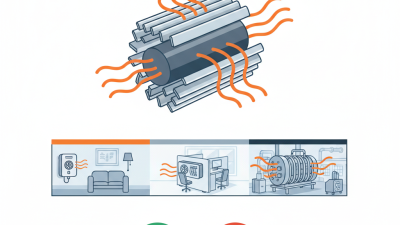
Choosing among the 10 best finned heaters for industrial use requires more than comparing wattage. Application conditions matter. The U.S. Department of Energy’s Industrial Decarbonization Roadmap identifies process heating as about 51% of manufacturing energy use. This makes thermal efficiency a practical cost issue, not a marketing claim. Check required air temperature, airflow volume, operating hours, and available voltage. A heater rated for 10,000 watts may perform poorly if air bypasses the finned element.
Watt density deserves close attention. Lower density usually reduces surface stress and improves element life, although it can increase heater size. Stainless steel sheaths suit many corrosive or humid areas, while nickel-chromium elements tolerate repeated high-temperature cycling. Measure the duct, not only the catalog drawing. A 2-millimeter installation gap can change clearance and maintenance access. Fit matters. Uneven airflow can create hot spots, so verify velocity across the entire heater face. DOE field assessments often recommend correcting airflow and controls before adding capacity.
Control equipment should include staged switching, temperature sensing, and independent over-temperature protection. Follow applicable requirements such as NFPA 86 and IEC 60519 for industrial heating safety. The IEA’s Energy Efficiency 2023 report states that industry used roughly 37% of global final energy in 2022, reinforcing the value of accurate control. A perfect ranking is unrealistic. I would also review inspection records, terminal torque, fin cleanliness, and fault history before selecting a unit. Cheap power is not always cheap heat.
10 Best Finned Heaters for Industrial Use?
Industrial heating deserves careful selection. The International Energy Agency reports that industry uses nearly 40% of global final energy, making efficient heat transfer a practical priority. The U.S. Department of Energy also identifies process heating as one of manufacturing’s largest energy demands. Ten leading finned heater types serve different conditions: tubular finned heaters for air ducts, strip-fin heaters for compact surfaces, duct heaters for ventilation systems, flange-mounted units for tanks, screw-plug heaters for vessels, circulation heaters for moving fluids, over-the-side heaters for open tanks, cartridge-fin heaters for tooling, open-coil fin heaters for fast air heating, and corrosion-resistant finned heaters for demanding environments.
Performance depends on more than wattage. A plant engineer should check airflow, surface temperature, fin spacing, voltage, enclosure rating, and control response. Tight fins transfer heat effectively, but dust can block them. Wider spacing cleans more easily. That trade-off is often missed. Industrial Energy Technology Data from the U.S. Department of Energy emphasizes monitoring and control as important efficiency measures, not optional extras. Field experience supports this: a heater running at lower surface temperature usually reduces scorching, fouling, and maintenance interruptions.
Installation details matter. A duct heater needs stable airflow before energizing. A tank heater needs fluid coverage. A circulation heater needs adequate flow. Otherwise, even a well-designed unit may fail early. ASHRAE guidance on industrial air systems reinforces the importance of airflow measurement and temperature control. Real plants are imperfect. Dust levels change, sensors drift, and operators bypass alarms. Selection should allow for those uncomfortable realities.
| Rank | Finned Heater Type | Typical Power Range | Common Supply | Typical Maximum Sheath Temperature | Fin Configuration | Best Industrial Applications | Main Advantages | Important Selection Considerations |
|---|---|---|---|---|---|---|---|---|
| 1 | Air Duct Finned Heater | 2–150 kW per heater bank | 208–600 V AC, single- or three-phase | Up to approximately 750°C, depending on sheath material and airflow | Helically wound or plate fins attached to tubular heating elements | Process-air heating, HVAC air handlers, drying systems, and clean-air equipment |
|
Requires airflow proving, high-limit protection, suitable duct velocity, and adequate spacing between elements. |
| 2 | Strip Finned Tubular Heater | 0.5–10 kW per element | 120–600 V AC | Approximately 650–850°C | Continuous metal strip fins brazed or welded around a tubular element | Ovens, industrial cabinets, air curtains, kilns, and circulation heaters |
|
Fin density and airflow must be matched to prevent overheating; avoid contact with combustible deposits. |
| 3 | Radiant Finned Tubular Heater | 0.25–5 kW per element | 120–480 V AC | Approximately 600–800°C | Finned tubular element designed for both radiation and natural convection | Paint-curing equipment, space heating, enclosure heating, and low-velocity process zones |
|
Radiant heat distribution depends strongly on mounting distance, surface orientation, and surrounding materials. |
| 4 | High-Temperature Incoloy-Sheathed Finned Heater | 1–30 kW per element or assembly | 208–600 V AC | Approximately 800–1,100°C, application dependent | Fins mounted on a nickel-chromium alloy sheath | High-temperature ovens, chemical process air, heat-treatment systems, and corrosive industrial atmospheres |
|
Material compatibility must be checked against chlorides, sulfur compounds, reducing atmospheres, and process contaminants. |
| 5 | Stainless-Steel Finned Heater | 0.5–20 kW per element or bank | 120–600 V AC | Approximately 500–800°C | Stainless-steel strip or plate fins on a tubular heating element | Food-processing equipment, washdown areas, packaging machinery, and humid production spaces |
|
Stainless steel is not universally resistant; chemical concentration, temperature, and cleaning agents must be evaluated. |
| 6 | Explosion-Protected Finned Air Heater | 1–100 kW per heater assembly | 208–600 V AC, commonly three-phase | Typically limited by hazardous-area certification and process temperature | Finned tubular elements enclosed in a certified housing with guarded terminals | Oil and gas facilities, solvent-handling areas, chemical plants, and classified process rooms |
|
The heater, controls, junction box, and installation method must match the required hazardous-area classification and temperature code. |
| 7 | Low-Watt-Density Finned Heater | 0.25–8 kW per element or panel | 120–480 V AC | Approximately 400–650°C | Wide-pitch fins or extended metal surfaces that spread heat over a larger area | Plastic-processing equipment, temperature-sensitive enclosures, control cabinets, and gentle air heating |
|
Requires more installation space and may need longer warm-up times than high-watt-density designs. |
| 8 | High-Velocity Finned Heater Bank | 10–300 kW per bank | 380–690 V AC, typically three-phase | Approximately 600–900°C | Multiple closely spaced finned tubular elements arranged across a high-flow air path | Large drying lines, combustion-air preheating, industrial ventilation, and process-air systems |
|
Pressure drop, airflow uniformity, heater staging, and over-temperature protection are critical design parameters. |
| 9 | Mineral-Insulated Finned Heater | 0.5–25 kW per element or assembly | 120–600 V AC | Approximately 700–1,000°C | Finned metal sheath containing compacted mineral insulation and resistance conductor | Heavy-duty ovens, vibration-prone machinery, process skids, and high-temperature air heaters |
|
Electrical insulation resistance should be tested before commissioning, especially after storage in humid conditions. |
| 10 | Modular Finned Heater Cartridge Assembly | 1–60 kW per modular assembly | 208–600 V AC | Approximately 500–850°C | Replaceable finned cartridges mounted in a common frame or terminal enclosure | Modular ovens, laboratory production systems, packaging lines, and maintenance-sensitive process equipment |
|
Confirm cartridge interchangeability, terminal clearances, control-zone layout, and access for safe replacement. |
Typical values are engineering ranges for comparison only. Final selection should be based on required heat load, airflow, operating temperature, atmosphere, electrical supply, enclosure requirements, control method, and applicable safety standards.
Performance depends on more than wattage. The U.S. Department of Energy’s Industrial Decarbonization Roadmap (2022) identifies process heating as roughly half of industrial energy use. A heater with dense fins transfers heat quickly, but restricted airflow can reduce output. Measure air velocity, duct pressure, and recovery time before choosing a top-ten model.
Material selection changes service life. Stainless steel resists moisture and many corrosive atmospheres. Nickel-based alloys tolerate higher temperatures, but their purchase cost is considerably higher. Mild steel may suit dry warehouses and short duty cycles. It can fail early in washdown areas. That trade-off is often missed.
Controls shape operating costs. A thermostat alone may overshoot, while staged control or a proportional controller can reduce unnecessary cycling. Calculate annual cost using rated kilowatts, operating hours, electricity tariffs, and control limits.
The IEA’s Energy Efficiency 2023 report places industry at about 37% of global final energy consumption, so small control improvements deserve attention.
In practice, a 30-kilowatt heater running 4,000 hours consumes 120,000 kilowatt-hours before control savings.
Site measurements matter more than catalogue claims. I would question any ranking that ignores maintenance access, sensor placement, and uneven airflow.
Industrial finned heaters need more than correct wattage. Installation should follow the heater’s certified spacing, voltage, enclosure rating, and airflow requirements. Keep fins clear of packaging, oil residue, and dust. Restricted airflow can create hot spots, even when the thermostat appears normal. NFPA’s Heating Equipment report recorded an annual average of 48,530 U.S. structure fires from heating equipment between 2016 and 2020. The figure is not specific to industrial heaters, but it shows why clearance matters.
Qualified technicians should verify grounding, overcurrent protection, cable temperature ratings, and control interlocks before energizing the unit. NFPA 70 and IEC 60519 provide useful electrical and electroheating safety guidance. In hazardous or dusty areas, the enclosure must match the classified environment. OSHA lockout/tagout requirements should apply during repairs, cleaning, and fin replacement. Test the isolation point. Do not trust a switched-off control panel alone.
Maintenance should include thermal imaging, terminal torque checks, fin cleaning, and thermostat testing. Record resistance readings and compare them with previous service records. A sudden change deserves investigation. NFPA data also links heating equipment fires with combustible materials placed too close to heat sources. That risk is easy to underestimate. In practice, a clean heater can still fail because a loose terminal overheats inside the enclosure. Inspection intervals should reflect dust, vibration, moisture, and operating hours. Monthly checks may suit harsh production areas, while cleaner spaces may need a different schedule. The schedule should be reviewed after any overheating event.
Electrical sizing is a key safety consideration when selecting an industrial finned heater. The chart below shows the approximate current draw for common heater ratings on a 230 V single-phase supply, calculated using I = P ÷ V.
Installation: Verify the heater nameplate rating, supply voltage, circuit capacity, grounding, enclosure protection, and required airflow before installation. Keep combustible materials away from the heated surfaces and provide the clearances specified by the applicable installation standard.
Maintenance and safety: Isolate and lock out power before servicing. Regularly remove dust and debris from the fins, inspect terminals and wiring for heat damage, test thermostats and over-temperature protection, and confirm that ventilation paths remain unobstructed. The calculated values are planning references; the heater nameplate and local electrical codes take precedence.