Top Finned Heater Buying Guide for Global Buyers?
In the world of heating solutions, the finned heater stands out for its efficiency and versatility. According to a recent industry report, the global finned heater market is projected to grow at a CAGR of over 6% through 2028. This growth reflects increased demand in industrial, commercial, and residential applications. Finned heaters are favored for their ability to transfer heat effectively, even in large spaces.
Buyers must consider several factors when selecting a finned heater. Not all options are created equal, and efficiency levels can vary significantly. For instance, some models may provide inadequate heating, leading to energy waste. Other options can offer long-term durability but at a higher initial cost. Understanding specific needs and the efficiency ratings of various products is essential.
Choosing the right finned heater requires careful evaluation. Potential buyers should be aware of performance ratings, installation requirements, and maintenance needs. Prioritizing these elements can mean the difference between a wise investment and a regrettable choice. With careful research, one can find a finned heater that meets both performance expectations and budget constraints.
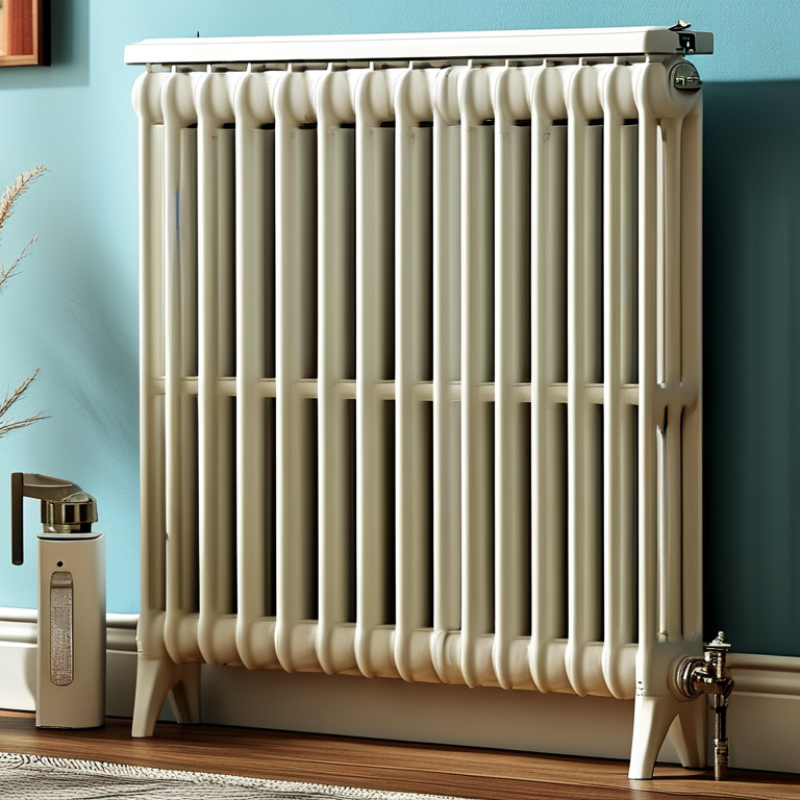
Guide to Understanding Finned Heaters and Their Applications
Finned heaters are essential in various industrial and commercial applications. These devices improve heat transfer by increasing the surface area available for heat exchange. They are commonly used in HVAC systems, refrigeration units, and industrial processes. Their design can vary significantly based on the intended application.
In many settings, finned heaters provide energy efficiency and enhanced performance. However, there are factors to consider when selecting the right model. The material, size, and shape of the fins can impact their effectiveness. Understanding the specific heating requirements is crucial. A miscalculation can lead to inadequate heating or excessive energy consumption.
Installing finned heaters requires some technical expertise. Improper installation may reduce their efficiency and lifespan. Regular maintenance is also necessary to ensure optimal performance. Untreated corrosion or dust accumulation can hinder heating capabilities. Be mindful of these aspects to maximize your investment.
Key Features to Consider When Buying a Finned Heater
When choosing a finned heater, consider the heating capacity first. Finned heaters come with various power outputs. Selecting one that matches your space size is crucial. A unit too small won't heat effectively. Conversely, an oversized unit may consume unnecessary energy. Accurately assessing your space needs can make a significant difference.
Next, look at the materials used in the finned heater. High-quality materials ensure durability. Aluminum and copper are popular for efficient heat transfer. Poor-quality materials may degrade over time and lead to safety risks. Researching construction quality can save you from future headaches.
Lastly, examine the heater's efficiency ratings. This can provide insight into its operational costs. Some models may initially seem affordable but could lead to high energy bills later. Balancing upfront costs with long-term savings is key. Being mindful of these features helps you make an informed choice. Plan ahead to avoid post-purchase regret.
Top Finned Heater Buying Guide for Global Buyers
| Feature |
Description |
Importance Rating (1-5) |
| Heating Capacity |
The amount of heat the heater can produce, usually measured in BTUs or watts. |
5 |
| Energy Efficiency |
How effectively the heater converts energy into heat, important for reducing running costs. |
4 |
| Material Quality |
The durability and resistance to corrosion, which affects the lifespan of the heater. |
4 |
| Size and Weight |
The dimensions and weight of the heater, which can affect installation and portability. |
3 |
| Safety Features |
Includes features like overheat protection and tip-over shutoff for safe operation. |
5 |
| Control Options |
Types of controls available like manual, digital, or remote, which enhance user convenience. |
3 |
| Warranty |
Length and coverage of warranty which indicates the manufacturer's confidence in their product. |
4 |
| Price |
The cost of the heater, which can vary widely based on features and brand. |
4 |
Types of Finned Heaters: Electric, Hydronic, and More
When considering finned heaters, it's essential to understand the different types available. Electric finned heaters are popular for their quick heating capabilities and easy installation. According to a 2022 industry report, electric heaters accounted for approximately 35% of the global market share, thanks to their efficiency and lower upfront costs.
Hydronic finned heaters operate using heated water, providing consistent warmth. These systems can be more energy-efficient, especially in larger spaces. A study by the International Energy Agency indicated that using hydronic systems can reduce energy consumption by up to 30%, compared to traditional heating methods. They are ideal for long-term investments.
Other types include steam finned heaters which utilize steam as a heating medium. This category has seen a resurgence due to its efficient energy conversion. However, installation can be complex. Assessing your specific heating needs and the space you have is vital. Proper research will help you find a heater that balances efficiency and cost. While market reports provide valuable data, individual circumstances will greatly influence the best choice.
Comparison of Finned Heater Types
Safety Regulations and Standards for Finned Heaters
When considering the purchase of finned heaters, understanding safety regulations is crucial. These regulations ensure that heaters operate effectively and pose minimal risk to users. Compliance with standards is necessary in various regions worldwide. Buyers should look for heaters that adhere to these essential guidelines.
In many places, finned heaters must meet specific safety certifications. Testing and inspection protocols evaluate heating elements and materials used in production. This helps prevent overheating and ensures durability. Manufacturers are required to provide clear documentation of compliance with local regulations. Ignoring these standards can lead to hazardous situations.
Buyers may encounter discrepancies. Some products may claim compliance without proper certification. It’s important to verify documentation before making a purchase. Seeking expert advice can help in understanding the complexities of regulations. A thorough review can protect against potential risks associated with non-compliant heating devices. Stay informed to make safer choices.
Maintenance Tips for Optimal Performance of Finned Heaters
Maintaining finned heaters is crucial for their optimal performance. Regular cleaning is necessary. Dust and debris can build up on the fins, reducing efficiency. It’s important to turn off the heater before any maintenance. Wipe down the fins carefully with a soft cloth. A brush can help remove stubborn dirt. Be gentle to avoid bending the fins.
Checking the heater's fluid levels regularly is wise. Low fluid can hinder heating performance. Inspect the connections for leaks because they may lead to bigger issues. If any leaks are spotted, consult a professional. Sometimes, a small step can prevent extensive damage. Additionally, listen for unusual sounds when the heater operates. Strange noises can indicate mechanical issues that require attention.
Consider the heater's placement too. Ensure it has enough airflow around it. Blocked airflow can lead to overheating. If the heater works in a dusty environment, consider more frequent cleanings. Remember, heaters need respect. Maintaining them well can extend their lifespan significantly. Reflect on your habits and adapt for better results.