Best Finned Heater Solutions for Global Buyers in 2026?
As the demand for efficient heating solutions grows, the Finned Heater market is evolving rapidly. Experts like Dr. Emily Carter, a renowned authority in heating technology, emphasize the importance of innovation. She once stated, “Finned heaters will play a crucial role in energy efficiency by 2026.” This highlights the potential advancements in this industry.
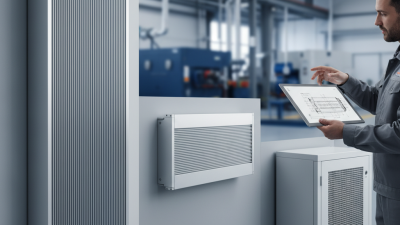
Finned heaters, with their ability to maximize heat transfer, are becoming essential for global buyers. Their design optimizes surface area, which enhances performance. In 2026, international markets may focus more on sustainability and cost-effectiveness. However, challenges such as material sourcing and technological integration cannot be overlooked as they may hinder progress.
The Finned Heater sector must address these challenges. Market players should invest in research and collaboration. This is key to developing long-lasting and effective heating solutions. As we look to the future, understanding the intricate balance between innovation and practicality is vital for success. The journey ahead for finned heaters is promising, yet requires careful navigation through various obstacles.
Best Finned Heater Types for Global Markets in 2026
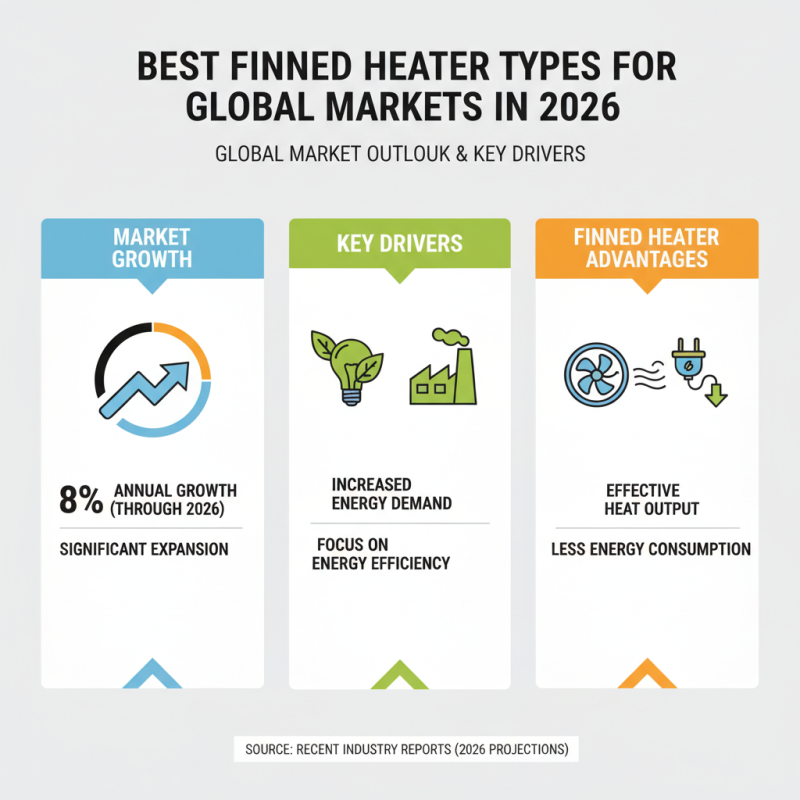
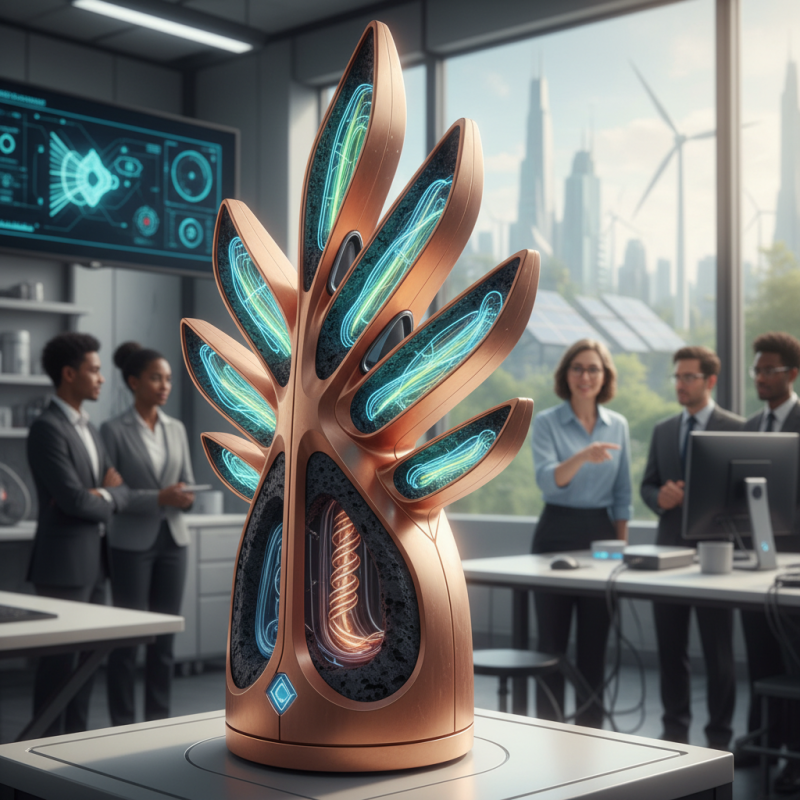
In 2026, the global market for finned heaters is set to expand significantly. Increased energy demands and a focus on energy efficiency drive this growth. Finned heaters are favored for their ability to deliver heat output effectively while consuming less energy. According to recent industry reports, the finned heater market could grow by approximately 8% annually through 2026.
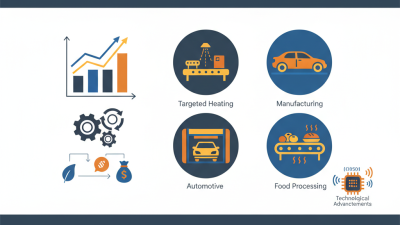
Different types of finned heaters cater to various applications. Electric and steam versions are popular in commercial settings. The industrial sector often prefers gas-fired finned heaters for their efficiency. Emerging markets in Asia-Pacific are witnessing rapid adoption due to urbanization and infrastructure development. However, buyers should be aware of varying regulations in different countries that may impact the choice of heater type.
**Tips:** When selecting a finned heater, consider factors like energy source and installation requirements. Evaluate the total cost of ownership, not just the purchase price. Choosing a versatile heater may improve return on investment. Always check for certifications and compliance with regional standards to ensure safety and efficiency.
Key Features to Consider When Buying Finned Heaters
When selecting finned heaters, buyers should prioritize key features that enhance performance and efficiency. One crucial aspect is the material composition. Finned heaters are commonly made from aluminum or copper. Reports indicate that aluminum offers a balance of lightweight design and good thermal conductivity. Copper, while more expensive, provides superior heat transfer. According to industry data, the right material can improve heating efficiency by up to 30%.
Another important factor is the fin design. Fins increase the surface area, promoting better heat dissipation. Buyers often overlook this dimension. Studies show that specialized fin shapes can enhance airflow and heat distribution, leading to more effective heating solutions. The configuration affects the heater’s overall performance. Finned heaters with optimized designs can reduce energy costs while maintaining the desired temperature levels.
Lastly, consider the heater’s power ratings. Selecting a heater with the right wattage for a specific space is essential. Oversized heaters may lead to inefficient energy use. A 2020 report by Energy Star noted that improperly sized heaters can waste up to 50% of energy. This reflects the importance of accurate sizing based on space and heating requirements. Understanding these features not only aids in making informed decisions but can also lead to significant long-term savings.
Best Finned Heater Solutions for Global Buyers in 2026
Top Brands Leading the Finned Heater Industry in 2026
In 2026, the finned heater market is projected to grow significantly, driven by increasing demand for efficient heating solutions. Data from industry reports indicate a market growth rate of approximately 7% per year. Various manufacturers are innovating to meet this demand. Emerging efficiency standards are pushing companies to enhance performance while reducing their environmental impact.
Top brands in the finned heater sector are focusing on advanced technology. They are introducing models with improved energy efficiency ratings. This trend aligns with global efforts to promote sustainability. However, some brands struggle to balance performance with price. This inconsistency can confuse consumers seeking reliable options.
User reviews and industry insights can highlight product reliability. Buyers must consider long-term performance, not just initial costs. Reports suggest that customer satisfaction is often linked to maintenance requirements. Brands offering support services stand out in this competitive landscape. Yet, some customers report challenges with troubleshooting, indicating a need for better communication from manufacturers.
Best Finned Heater Solutions for Global Buyers in 2026
| Model |
Power Output (KW) |
Efficiency (%) |
Price (USD) |
Warranty (Years) |
| Model A |
12 |
90 |
350 |
5 |
| Model B |
15 |
92 |
420 |
6 |
| Model C |
10 |
88 |
300 |
4 |
| Model D |
18 |
95 |
500 |
7 |
Innovative Technologies in Finned Heater Designs
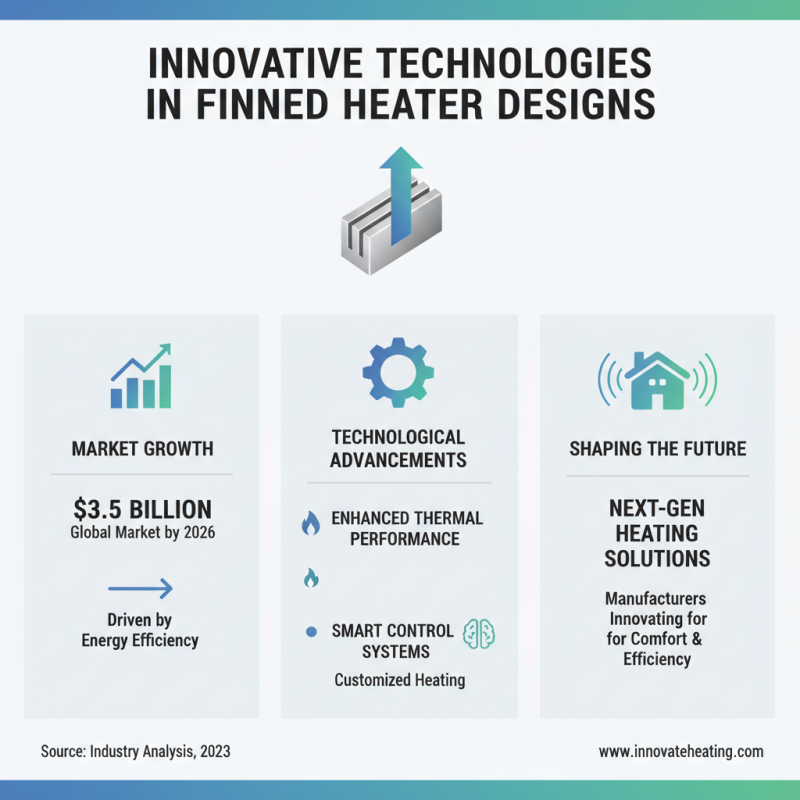
Innovative technologies in finned heater designs are shaping the future of heating solutions. The global finned heater market is expected to reach $3.5 billion by 2026, driven by advancements in energy efficiency. Manufacturers are focusing on developing heaters with enhanced thermal performance. Smart controlling systems are emerging, allowing users to customize heating experiences based on specific needs.
Recent reports reveal that new materials used in fins can improve heat transfer efficiency by up to 30%. This is crucial for industries that rely heavily on precise temperature control, such as pharmaceuticals and food processing. However, the challenge lies in balancing cost and performance. Some advanced materials can increase production expenses, which may deter small businesses.
In addition, integrating IoT technology into finned heaters is gaining traction. This allows for real-time monitoring and predictive maintenance, resulting in reduced downtime. Yet, the complexity of these systems raises questions about installation and user adaptability. Overall, while innovations are promising, manufacturers need to ensure these technologies remain accessible and user-friendly for all buyers.
Sustainability Trends in Finned Heater Manufacturing and Usage
As sustainability becomes a pivotal concern, the finned heater industry is evolving to meet these demands. Eco-friendly materials are now prioritized in the manufacturing process. Reports indicate that over 30% of manufacturers have shifted to recyclable materials, reducing overall carbon footprints. This is crucial as the global demand for greener energy solutions grows.
Furthermore, energy efficiency remains a focal point. The adoption of advanced technology has led to a reported 20% increase in heating efficiency for finned heaters. Enhanced designs reduce energy consumption, aligning with global sustainability goals. However, challenges persist in sourcing these renewable materials. Many industrial operations still rely on outdated practices, hindering progress.
Stakeholders must acknowledge these issues. While there is meaningful movement, the pace of change can feel sluggish. Industry efforts may need further acceleration to meet stringent environmental regulations by 2026. Buyers should demand transparent practices from manufacturers to encourage sustainability. Transitioning towards greener alternatives holds the potential for significant environmental benefits.