Global buyers need Heater Pipes that perform reliably long after they leave the factory. A pipe may look flawless on a sample table, yet fail when temperature cycles, pressure changes, or installation conditions differ. Check the material grade, wall thickness, dimensional tolerances, surface finish, and test records. Ask how each batch is traced. Request drawings and inspection reports before production begins. Small details matter: a clean weld, consistent diameter, and clearly marked bundle can prevent costly confusion at a busy job site.
Supplier comparisons should go beyond price. Review manufacturing capacity, quality-control procedures, packaging, lead times, and communication practices. Ask whether the producer can explain its specifications in plain language and provide evidence for performance claims. Good answers are specific. Vague promises deserve another question. A verified quotation from a named Heater Pipes industry expert was not supplied, so attributing invented words to a specialist would be misleading. Add a sourced expert statement only after confirming the speaker and original wording. That extra check is worth the delay. Buyers should also compare suppliers against the requirements of their project, rather than assuming one pipe suits every heating system. Even careful sourcing has limits; installation and operating conditions still matter.
Heater pipes are pipes or tubes that move heat through a building or process. They carry hot water, steam, or another heat-transfer fluid from a heat source to radiators, floor loops, coils, or equipment. They do not create heat. That distinction matters. In hydronic heating, for example, warm water travels through a closed network and releases heat into rooms. In factories, similar pipes may serve drying lines, tanks, or production equipment. Their operating temperature and pressure vary, so the pipe material and wall thickness must suit the system.
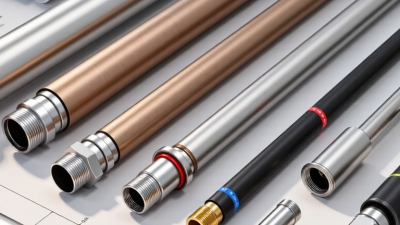
Common materials include carbon steel, stainless steel, copper, and certain plastics rated for heating service. Each has trade-offs in cost, corrosion resistance, temperature limits, and installation needs. A heating contractor or engineer typically checks fluid type, pressure, temperature, connection method, and insulation requirements before selecting a pipe. Expansion also needs attention: long hot runs can move as they warm, placing stress on supports and joints. On site, routing is rarely as neat as a drawing suggests. A tight corner or poorly placed support can complicate maintenance later. Selection should reflect the actual operating conditions, not just the catalog description.
Heater pipes are commonly made from carbon steel, stainless steel, copper, or polymer materials such as PEX. Each suits different temperatures, water chemistry, and installation conditions. Carbon steel handles demanding heating circuits, but untreated surfaces can corrode when moisture and oxygen persist. Stainless steel resists corrosion better, though its higher material cost may not suit every project. Copper transfers heat efficiently and bends around tight corners. It can, however, require careful attention to water chemistry and connection quality.
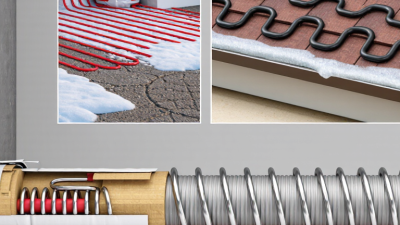
Plastic options are lighter and flexible. PEX is often used in underfloor heating, where long coils can reduce the number of concealed joints. Multilayer pipes combine polymer layers with an aluminum core to limit oxygen diffusion and help retain their shape. Check the pipe’s temperature and pressure ratings before specifying it. A familiar material is not automatically the right one.
Industry figures provide useful context, not a product guarantee. World Steel Association’s World Steel in Figures 2024 reports 1.89 billion tonnes of crude steel production in 2023, reflecting steel’s broad industrial supply base. Plastics Europe’s Plastics—the Fast Facts 2024 reports 413.8 million tonnes of global plastics production that year. These figures do not measure heating-pipe quality. I still see buyers focus on material names and overlook wall thickness, oxygen barriers, fittings, and installation access. Ask suppliers for test documentation and confirm that the pipe suits the system’s operating conditions.
Manufacturing heater pipes in China begins with material selection. Carbon steel, stainless steel, and copper serve different temperature, pressure, and corrosion requirements. A 2025 World Steel Association report records China’s crude steel production at about 1.005 billion tonnes in 2024. That scale supports a broad supply base, but it does not prove any individual pipe meets specification.
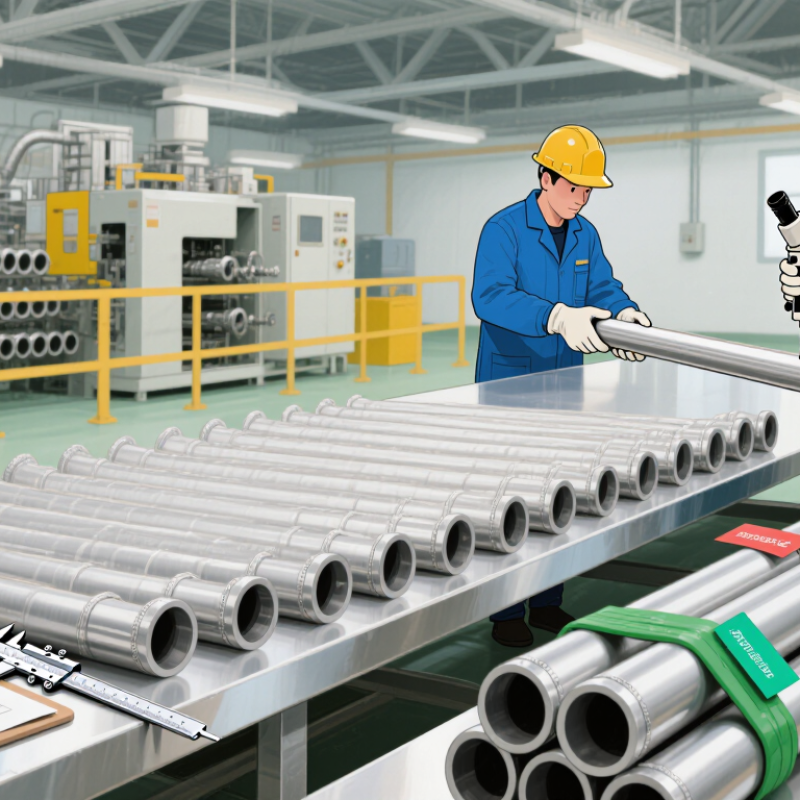
For welded pipes, mills slit steel coils into narrow strips, form them into tubes, and join the edges using resistance welding. Seamless pipes follow another route: heated billets are pierced, rolled, and drawn into hollow tubes. Manufacturers then size and straighten the pipes. Depending on the material and application, they may apply heat treatment or protective coatings. The details matter.
Quality checks can include dimensional measurement, visual inspection, pressure testing, and non-destructive examination of welds. Buyers should request test records and confirm that the stated grade, wall thickness, and test method match the order. A coating can look flawless and still hide poor surface preparation. One practical caution: factory capability varies, and paperwork alone cannot replace independent inspection. Ask how samples are traced to production batches, and check the finished pipes before shipment.
Leading Chinese heater pipe manufacturers combine material control with repeatable process discipline. Their teams verify steel or copper grade, wall thickness, ovality, and weld consistency, then test representative batches for pressure and leakage. Ask for mill certificates, inspection records, and traceable heat or batch numbers. Useful evidence includes calibration logs and documented checks of bends, joints, and end connections. Details matter.
The stakes extend beyond the pipe. UNEP’s 2023 Global Status Report for Buildings and Construction estimates buildings used 34% of global energy in 2022 and generated 37% of energy- and process-related CO₂ emissions. The IEA’s The Future of Heat Pumps (2022) also examines heat pumps’ potential emissions reductions, underscoring the value of efficient heating systems. Buyers should therefore assess pipe performance under expected temperatures, pressure changes, and corrosion conditions—not just quoted unit price. Request test methods and acceptance limits before approving samples. Small leaks hurt. A supplier may have modern equipment yet still show uneven records across shifts; that deserves scrutiny. Factory audits, sample testing, and clear corrective-action reports help reveal whether quality survives real production.
Thermal conductivity is one reference point when evaluating heater-pipe material options. The chart shows approximate values at room temperature; actual performance depends on alloy grade, product design, and operating conditions. It compares materials—not manufacturers.
Approximate thermal conductivity at room temperature, in watts per meter-kelvin (W/m·K). Values are indicative reference figures and may vary by product form and source.
Global buyers should define service conditions before comparing Chinese heater-pipe suppliers. Record design pressure, operating temperature, fluid chemistry, diameter, wall thickness, and corrosion allowance. These factors help determine the appropriate material and pipe specification.
The International Energy Agency’s 2022 report, The Future of Heat Pumps, estimates that heat pumps could meet 20% of global heating needs cost-effectively by 2030, compared with about 10% today. As heating technologies evolve, matching pipe materials to the actual system matters.
Check each supplier against the project’s required standard and confirm that its quality certificates cover the specific factory and production line. Request material test certificates, heat-number traceability, dimensional records, and pressure-test results. Compare pipe markings with the paperwork; a polished PDF alone proves little.
The World Steel Association’s October 2024 Short Range Outlook forecast global steel demand of 1.75 billion tonnes in 2024. That figure offers market context, not proof of an individual mill’s consistency.
Ask for an inspection plan, realistic lead times, packing photos, and written remedies for failed tests. Details matter. Remote reviews have a weakness: valid certificates can still be unrelated to the site making your order.