China Top Heater Pipes for Efficient Heating Solutions?
As industries and households seek efficient heating solutions, the importance of high-quality heater pipes becomes increasingly evident. These essential components play a crucial role in distributing heat effectively and consistently. In China, a wide range of heater pipes is available, designed for different applications and requirements.
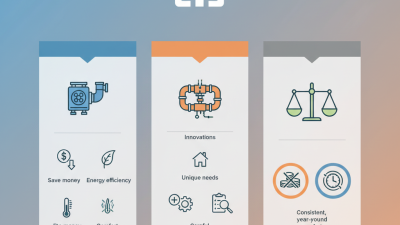
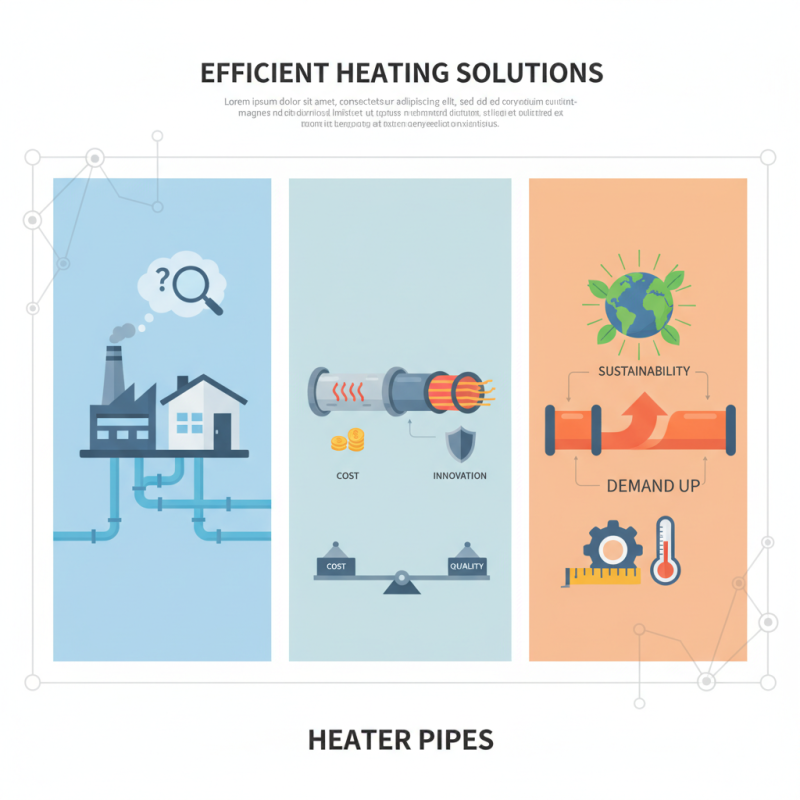
The innovation in heater pipe technology has led to remarkable improvements in energy efficiency. Manufacturers are investing in advanced materials and designs to enhance performance. However, choosing the right heater pipes can be challenging. Buyers often face a dilemma between cost and quality.
Understanding the specifications of heater pipes is vital. Factors such as material, diameter, and insulation affect their efficiency significantly. With the growing focus on sustainability, the demand for reliable heater pipes is set to rise. This makes it essential for consumers to choose products backed by expertise and proven performance.
China's Leading Heater Pipe Manufacturers and Their Innovations
China's heater pipe manufacturers are leading advancements in heating solutions. The industry is growing rapidly, driven by innovations and sustainability. According to a recent market report, the global heater pipe market is expected to reach $7 billion by 2025, with China contributing significantly to this growth.
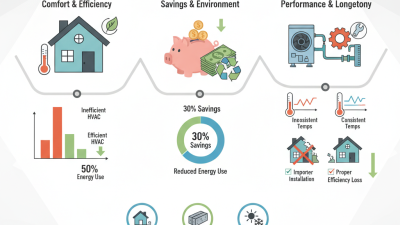
Manufacturers in China focus on efficiency and environmental consciousness. They develop materials that enhance thermal conductivity and energy efficiency. Research indicates that well-designed heater pipes can increase heating efficiency by up to 30%. This improvement is crucial in reducing energy consumption and costs for both residential and industrial applications.
Tips: When selecting heater pipes, consider the material and structure. High-quality materials ensure durability and optimal performance. Moreover, look for manufacturers that prioritize sustainable practices. They not only contribute to energy efficiency but also to a healthier environment. Reflecting on these factors can lead to better heating solutions in the long run.
Key Features of Efficient Heating Solutions in China
When exploring heating solutions in China, efficiency is crucial. Efficient heating systems often prioritize energy-saving features. These systems tend to include advanced insulation techniques that minimize heat loss. Proper insulation ensures that indoor environments remain warm and comfortable during colder months.
The materials used in these heating systems are key. High-quality pipes can enhance heating efficiency significantly. They ensure rapid heat transfer and reduce energy consumption. It’s essential to consider the design of the heating system. A well-planned layout helps distribute heat uniformly throughout the space. Inefficient layouts can lead to cold spots and wasted energy.
However, not all heating solutions meet efficiency standards. Some products may overstate their capabilities. Users should conduct thorough research before making decisions. Collaboration with experienced professionals can guide better choices. Understanding the distinct features of different systems can help avoid pitfalls. It’s beneficial to evaluate real user feedback on heating solutions.
Applications of Heater Pipes in Various Industries
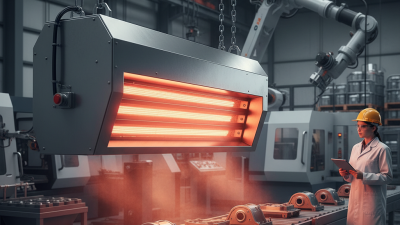
Heater pipes play a crucial role in various industries, providing efficient heating solutions tailored to specific needs. In the manufacturing sector, for instance, industries utilize heater pipes to maintain optimal temperatures during production processes. A recent report from the International Energy Agency notes that efficient heating can reduce energy costs by up to 30%, emphasizing the necessity of quality heating solutions.
In the oil and gas industry, heater pipes are integral to keeping fluids at the right temperatures. They prevent issues like wax buildup, which can disrupt flow and lead to costly downtime. A study revealed that companies using high-efficiency heater pipes saw an increase in productivity, with reported improvements of up to 20%. This highlights the importance of investing in reliable technologies to ensure operational efficiency.
The chemical processing industry also heavily relies on these pipes for heating reactants. By achieving precise temperature control, manufacturers can enhance reaction rates while minimizing energy wastage. However, not all heater pipes deliver the expected performance. Poor quality materials can undermine efficiency. Companies are increasingly seeking solutions that not only meet current demands but also adapt to future challenges in sustainability.
Comparative Analysis of Heater Pipe Materials and Performance
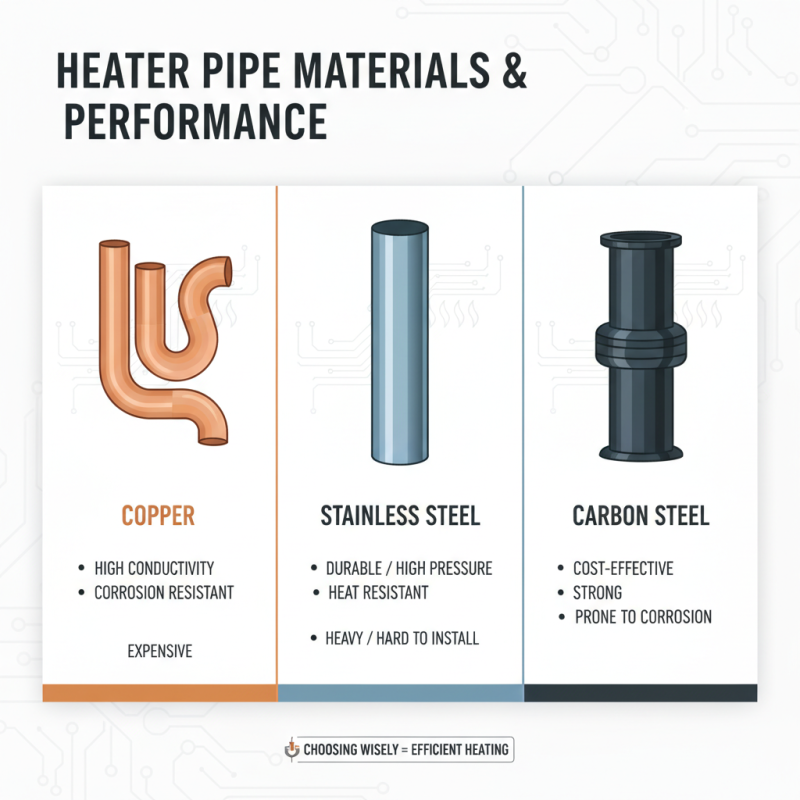
Selecting the right heater pipe is crucial for efficient heating solutions. Materials like copper, stainless steel, and carbon steel are common choices. Each material offers unique advantages and challenges. Copper, for instance, is highly conductive and resistant to corrosion but can be expensive. Stainless steel is durable and withstands high pressures, yet it can be heavy and difficult to install.
Heat transfer efficiency also varies among different materials. Copper conducts heat better, leading to faster responses in heating systems. Carbon steel, though less conductive, is often more affordable, making it a viable option for many applications. The performance of these materials can also depend on the installation environment. A humid or corrosive atmosphere may require additional considerations, like protection coatings, to ensure longevity.
It is essential to analyze the specific needs of your heating application. Consider factors such as budget, installation space, and long-term maintenance. An informed decision helps in achieving optimal performance while navigating the challenges associated with each material. Keeping these aspects in mind can lead to better heating efficiency, ultimately benefiting your overall heating strategy.
Future Trends in China's Heating Solutions and Technologies
China's heating solutions are evolving rapidly. As urbanization increases, the demand for efficient heating technologies grows. Reports indicate that the heating market in China is expected to reach $80 billion by 2025. Many industries are leaning towards sustainable technologies. This shift aligns with government goals to achieve carbon neutrality by 2060.
One notable trend is the rise of smart heating systems. These systems optimize energy consumption and integrate renewable energy sources. A report from the China Association of Heating highlights that smart technologies could reduce energy usage by 30%. Yet, challenges remain. Many households still rely on traditional heating methods, creating a disparity in heating efficiency across regions.
Another area of focus is the development of advanced materials for heating pipes. Innovations in insulation materials are crucial. Improved insulation can reduce heat loss significantly. However, the initial cost of these technologies can be a barrier. Industry experts stress the need for better awareness and training to encourage adoption. Bridging this gap could enhance overall efficiency in the heating sector.