Best Coil Heater Options for Global Buyers in 2026?
As the demand for efficient heating solutions rises, the global coil heater market is poised for significant growth. According to a recent report by Market Research Future, the coil heater segment is projected to reach USD 2 billion by 2026, highlighting its importance in various industries. Experts like Dr. Emily Chen emphasize that "the evolution of coil heaters reflects advancements in both technology and energy efficiency.”
Industry professionals recognize the versatility of coil heaters across applications, from industrial manufacturing to household uses. Despite their many advantages, challenges persist. Some coil heaters may face issues with uneven heating distribution, which can lead to inefficiencies. Market players must continuously innovate to address these shortcomings and enhance product reliability.
As we look ahead to 2026, buyers must navigate a variety of options. Not all coil heaters are created equal, and the optimal choice varies by application. Evaluating the latest technology and features will be crucial for making informed purchasing decisions in this evolving market. The future of coil heaters shines bright, yet it requires ongoing diligence and consideration.
Overview of Coil Heaters: Types and Applications
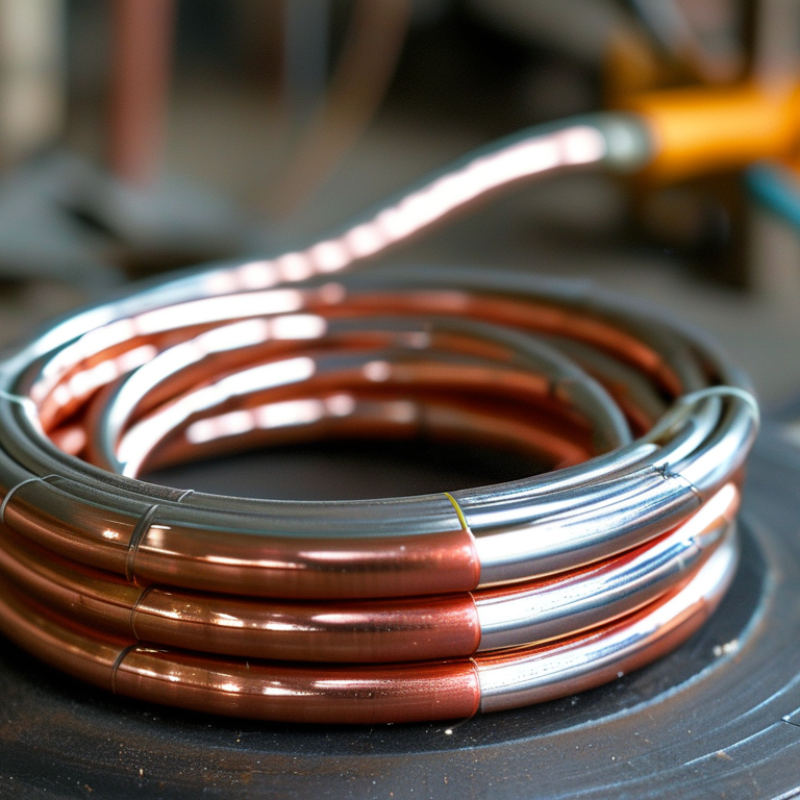
Coil heaters are widely used in many industries due to their efficiency and versatility. These devices can provide targeted heating, making them ideal for applications such as plastic molding and packaging. In manufacturing, precise temperature control is crucial. Coil heaters excel at maintaining consistent heat levels, which helps ensure product quality.
There are various types of coil heaters to consider. Flexible coil heaters are lightweight, offering easy installation in tight spaces. Rigid coil heaters, on the other hand, are durable and often used in more industrial settings. Each type has its strengths, depending on the specific application and environment. Some users struggle to choose the right type for their needs, highlighting the importance of understanding each variant. Proper application can lead to increased efficiency, while poor choices may result in wasted energy and ineffective heating.
Understanding the applications of coil heaters is crucial for optimal performance. In food processing, for instance, heating must be both safe and efficient. In other applications, the potential for corrosion or wear can affect long-term viability. Each scenario requires careful examination. Knowing how coil heaters interact with different materials can save time and money. Awareness of these elements is essential for making informed decisions.
Key Features to Consider When Choosing a Coil Heater
When selecting a coil heater, several key features should be considered to ensure optimal performance. Efficiency is critical; look for heaters with a high power-to-weight ratio. Studies indicate that efficient coil heaters can reduce energy consumption by up to 30%. This efficiency not only saves costs but also minimizes environmental impact.
Another vital aspect is the material used in the coil. High-quality materials ensure durability and effective heat transfer. Many experts suggest stainless steel or copper for excellent thermal conductivity. The longevity of a coil heater often depends on the choice of materials, which can influence replacement frequency.
Temperature control features are also essential. Some heaters offer precise digital controls, while others may rely on mechanical thermostats. The latter can be less accurate and lead to overheating or underheating. Data shows that accurate temperature control can enhance product lifespan and performance by 15%. Choosing the right coil heater requires balancing these features to meet specific needs effectively.
Top Coil Heater Brands and Their Global Availability
When considering coil heater options for global buyers in 2026, understanding key brands and their availability is crucial. The global coil heater market has demonstrated steady growth, projected to reach USD 1.5 billion by 2026, according to recent industry reports. Many brands have expanded their reach, but reliability and durability remain central to buyer decisions.
Leading brands often focus on energy efficiency and cost-effectiveness. Reports indicate that about 40% of buyers prioritize these attributes when selecting heaters. However, not all regions have easy access to high-quality products. Supply chain issues and local regulations can complicate availability. Moreover, some markets still rely heavily on outdated models.
Investing in coil heaters involves risks. Variations in manufacturing standards may affect performance. Consumers sometimes report discrepancies between claims and actual results. This uncertainty calls for due diligence before purchases. Researching user reviews and seeking expert advice can help bridge the knowledge gap. The right choice may depend heavily on local market conditions and personal requirements.
Best Coil Heater Options for Global Buyers in 2026
Comparative Analysis of Coil Heater Performance and Efficiency
As global buyers consider coil heater options in 2026, performance and efficiency remain key factors. Data from recent industry reports highlight that coil heaters can achieve thermal efficiency ratings of over 95%. However, the efficiency can vary significantly depending on materials and design. Many users report performance discrepancies due to these variations.
A comparative analysis of coil heater configurations shows that wire material and diameter directly impact heating speed. Thinner coils, for instance, can heat up more quickly, but they may not retain heat as effectively as their thicker counterparts. The expected lifespan also varies; thinner coils generally require more frequent replacements, which can lead to increased operational costs. This tradeoff between initial efficiency and long-term durability often requires careful consideration.
Moreover, users may encounter varying levels of responsiveness in different coil heaters. Some may heat a space uniformly, while others display hotspots and uneven heating. This inconsistency can be frustrating and may require adjustments or additional equipment to manage. Reports indicate that nearly 30% of users encounter such issues, highlighting the need for thorough testing before large-scale investments.
Future Trends in Coil Heater Technology and Market Growth
Coil heaters are gaining traction in various industries due to their efficiency and versatility. By 2026, the global market for coil heaters is expected to grow significantly. A report by Market Research Future predicts a Compound Annual Growth Rate (CAGR) of 5.8% from 2021 to 2026. This growth stems from increasing demands in sectors like automotive and food processing.
One notable trend is the shift toward energy efficiency. Manufacturers are focusing on creating coil heaters that minimize energy consumption while maximizing performance. Advanced materials and designs are being developed. This not only enhances durability but also ensures better heat distribution. However, the transition to these innovative materials poses challenges. Companies must balance cost and performance while maintaining product reliability.
The integration of smart technology is another key development. More coil heaters now feature IoT capabilities. This allows for remote monitoring and better control over heating applications. Reports indicate that around 40% of consumers prefer products with smart features. Yet, potential cybersecurity risks associated with IoT devices remain a concern. As the market evolves, businesses must address these issues while leveraging new technologies.