Top 10 Heating Air Systems for Optimal Home Comfort?
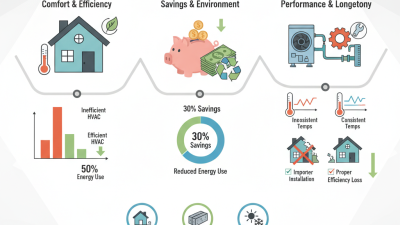
In the pursuit of home comfort, choosing the right heating air systems is crucial. With energy costs rising, homeowners demand efficient solutions. According to a recent report by the American Society of Heating, Refrigerating and Air-Conditioning Engineers (ASHRAE), nearly 50% of household energy use is attributed to heating and cooling. This highlights the importance of selecting optimal heating air systems.
Expert Mark Johnson, a leading HVAC consultant, notes, “The right heating air system not only enhances comfort but also significantly reduces energy bills.” His insights reflect the growing trend toward energy-efficient systems. Many homeowners overlook the impact of outdated equipment, which can lead to discomfort and excessive costs.
Today’s market offers a variety of advanced heating air systems. These systems promise both comfort and sustainability. Homeowners should carefully evaluate their options to avoid common pitfalls, such as choosing the cheapest unit without assessing long-term savings. Making an informed choice is essential for both comfort and efficiency.

Types of Heating Air Systems Available for Home Use
Heating air systems play a crucial role in maintaining home comfort. Various types exist, each with its unique set of benefits and drawbacks. Understanding these options helps homeowners choose wisely and tailor their indoor climate needs.
Forced-air systems are commonly used. They circulate heated air through ducts, providing quick warmth. However, dust and allergens can be blown around, affecting air quality. Radiant heating, on the other hand, heats surfaces directly. It offers even warmth and silent operation, but the installation process can be complex and costly.
Heat pumps are another option. They can both heat and cool spaces, making them versatile. Yet, they may struggle in extreme cold. Electric resistance heating is easy to install. It’s effective but can lead to high energy costs. Each system has its strengths and weaknesses, requiring careful consideration based on individual home needs.
Factors to Consider When Choosing a Heating Air System
Choosing the right heating air system is crucial for home comfort. There are various factors to evaluate before making a decision. Energy efficiency is one of the most significant concerns. Systems with high efficiency can lower energy bills and reduce environmental impact. Look for models with good ratings and certifications.
Consider the size of your home. A system that is too small may struggle to heat effectively. On the other hand, an oversized system can waste energy. It's essential to calculate the required heating capacity for your space. This involves measuring square footage and considering insulation levels.
Installation and maintenance are also key factors. A poorly installed system can lead to inefficiencies and higher repair costs. Regular maintenance ensures longevity and optimal performance. Think about how often you're willing to service the system. Not all homeowners can commit to frequent upkeep. These reflections can guide decision-making.
Top 10 Heating Air Systems for Optimal Home Comfort
This bar chart displays the efficiency ratings (in percentage) and average costs (in USD) of ten popular heating air systems. The efficiency rating indicates how effectively a system converts fuel into heat, while the cost reflects the average price of installation and equipment.
Top 10 High-Efficiency Heating Air Systems for Comfort
Heating air systems play a vital role in maintaining comfort in homes. High-efficiency models stand out for their ability to reduce energy consumption. According to the U.S. Department of Energy, energy-efficient systems can use up to 30% less energy than standard systems. This can lead to significant cost savings over time.
When considering a system, look at the Seasonal Energy Efficiency Ratio (SEER) and the Heating Seasonal Performance Factor (HSPF). These metrics provide insight into performance and efficiency. For example, a system with a SEER rating of 16 or higher is considered high-efficiency. Many households overlook these numbers, which are crucial in determining savings and performance.
Homeowners should also reflect on their needs. A system that works well for one family may not suit another. Space, climate, and usage patterns all influence effectiveness. It's essential to evaluate these factors. Choosing the right heating system isn't merely about cost. It encompasses long-term comfort and sustainability goals. Balancing efficiency with personal needs requires a thoughtful approach.
Top 10 High-Efficiency Heating Air Systems for Comfort
| System Type |
Efficiency Rating (AFUE) |
Heating Capacity (BTU) |
Noise Level (dB) |
Warranty |
| Gas Furnace |
98% |
60,000 BTU |
55 dB |
10 Years |
| Electric Heat Pump |
20 SEER |
48,000 BTU |
60 dB |
5 Years |
| Oil Furnace |
87% |
70,000 BTU |
65 dB |
7 Years |
| Ductless Mini-Split |
23 SEER |
36,000 BTU |
50 dB |
6 Years |
| Geothermal Heat Pump |
45 EER |
60,000 BTU |
40 dB |
25 Years |
| Hydronic Radiant Heat |
90% |
50,000 BTU |
50 dB |
15 Years |
| Electric Baseboard |
N/A |
12,000 BTU |
40 dB |
5 Years |
| Propane Furnace |
95% |
65,000 BTU |
60 dB |
10 Years |
| Thermal Storage Heater |
80% (est.) |
20,000 BTU |
50 dB |
5 Years |
| Fan Coil Unit |
N/A |
24,000 BTU |
55 dB |
1 Year |
Installation and Maintenance Tips for Heating Air Systems
Installing a heating air system requires careful planning. Before beginning, assess your home’s size and insulation. This helps in selecting the right system. Proper installation can significantly improve efficiency and comfort. Ensure ductwork is sealed tightly to prevent heat loss. Consider the location of your thermostat; it shouldn’t be near drafts or direct sunlight.
Maintenance is crucial for optimal performance. Regularly change filters to keep the air clean and the system running smoothly. Schedule annual inspections to catch issues early. Pay attention to unusual noises or temperature fluctuations. These could indicate underlying problems. Remember that even the best systems need care. It’s an ongoing process, not a one-time task. Checking your system regularly can extend its life and save money in the long run.
Comparative Analysis of Costs and Benefits of Heating Systems
Heating systems play a crucial role in maintaining comfort in our homes. When analyzing these systems, cost and benefits vary significantly. For example, traditional gas furnaces typically have lower upfront costs but can lead to higher energy bills. In contrast, electric heating systems offer convenience but may require more expensive installation.
An important consideration is energy efficiency. Systems with higher efficiency ratings save money in the long run. However, they often come with a higher initial investment. For many homeowners, the choice depends on individual financial situations and local utility rates. Understanding the long-term implications is vital.
Additionally, maintenance costs should not be overlooked. Some systems demand regular upkeep, which can increase overall expenses. Homeowners should weigh these factors carefully. Reliable information can help guide decisions, but personal experiences may influence choices. Evaluating past heating system performance is also beneficial. Different homes may require unique solutions for optimal comfort.