Top Tips for Choosing the Best Heater Pipes for Your Needs?
When it comes to selecting heaters for your space, the right choice of heater pipes is crucial. Heater pipes play a significant role in ensuring efficient heating and optimal performance. Understanding your specific heating needs can make a big difference.
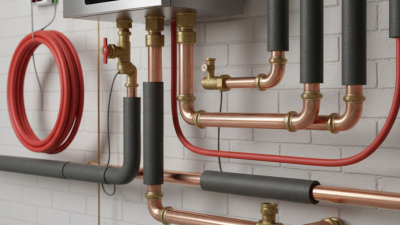
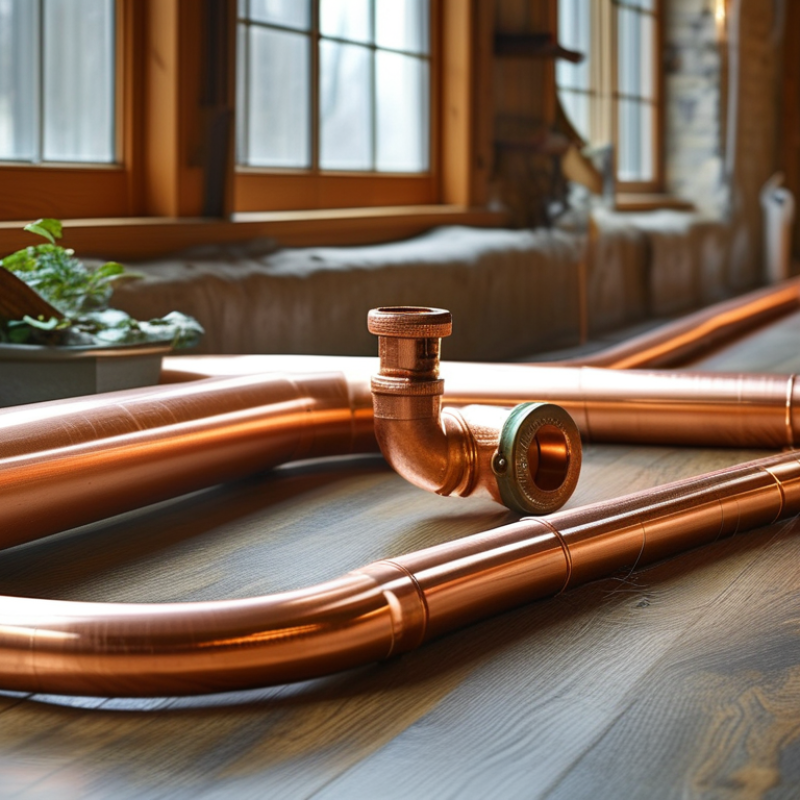
Quality heater pipes can enhance the effectiveness of your heating system. They come in various materials, each with its advantages and drawbacks. Copper, for example, is a popular choice for its excellent thermal conductivity, while plastic pipes might offer flexibility and ease of installation. However, the decision should not be rushed. Reflecting on heating demands and installation conditions is key.
Researching reputable suppliers is equally important. Not all heater pipes are created equal. Some products may lack durability or efficiency. Reading customer reviews can provide valuable insights. Most importantly, be prepared to ask questions. Don't hesitate to seek advice from experts in the field. Making informed choices leads to better heating solutions.
Understanding Different Types of Heater Pipes Available in the Market
When selecting heater pipes, it's crucial to understand the various types available. Among the most common are
PVC, CPVC, and PEX pipes. PVC pipes are lightweight and resistant to corrosion, making them suitable for low-temperature applications. However, they can become brittle over time when exposed to heat. CPVC pipes, on the other hand, can handle higher temperatures, but they may require special fittings. PEX pipes are more flexible and easier to install, yet they can be less durable when exposed to UV light.
Industry reports indicate a growing demand for flexible systems, highlighting that up to 65% of residential installations now feature PEX pipes. This trend underscores the importance of material selection based on specific heating needs. While PEX offers convenience, it can be pricier upfront. Homeowners must weigh installation costs against long-term benefits.
Additionally, insulation is vital for optimizing heater pipe performance. Insulated pipes can reduce heat loss by up to 30%. Choosing the right insulation material can profoundly influence energy efficiency. Reflecting on installation environments is essential, as humidity and temperature fluctuations can impact the pipe's lifespan. Understanding these factors ensures a more informed decision.
Assessing Your Heating Needs: Size, Environment, and Usage
When selecting heater pipes, understanding your heating needs is crucial. Consider the size of the space you aim to heat. According to the U.S. Department of Energy, a common recommendation is to allow about 20 BTUs per square foot. This figure helps determine the heating power you’ll require. Keep in mind, larger rooms or high ceilings may need additional considerations.
The environment plays a significant role, too. External temperatures and insulation quality affect how much heat you'll need. For instance, poorly insulated homes can lose up to 30% of heat, necessitating more powerful heating solutions. Local climate also influences these needs. In colder regions, select pipes capable of withstanding lower temperatures and higher stress.
Tip: Always factor in how often and how intensively you’ll use the heating system. Heavy usage can wear down materials faster. Opt for durable materials that suit your specific environment. Also, consider the energy efficiency of different pipes; this can lead to significant cost savings over time.
Understanding your unique heating requirements, locations, and usage patterns can lead to effective decisions. Remember, no solution is perfect. Regular maintenance and monitoring can help address potential performance issues. Your heater pipes should adapt as your needs evolve.
Evaluating Materials: Copper, PEX, and Their Advantages
When choosing heater pipes, material matters greatly. Copper and PEX are two common options, each with unique benefits. Copper pipes have been used for decades. They are known for their durability and resistance to corrosion. According to the Copper Development Association, copper pipes can last over 50 years with proper maintenance. Their thermal conductivity is superb, leading to efficient heating solutions.
On the other hand, PEX pipes offer flexibility and ease of installation. They are lightweight and can bend around corners, reducing the need for fittings. Research from the Plastic Pipe Institute shows that PEX systems can save 30-50% on labor costs due to faster installation times. However, some installers express concerns about PEX’s long-term durability and UV sensitivity. It is essential to consider your specific heating needs and environment when selecting a material.
Cost is another decisive factor. Copper tends to be more expensive upfront, but its longevity might justify the investment. PEX, while cheaper, may require replacement sooner in harsh conditions. Understanding these attributes will guide you in making a well-informed decision regarding heater pipes.
Top Tips for Choosing the Best Heater Pipes for Your Needs
| Material |
Advantages |
Disadvantages |
Best Use Case |
| Copper |
Highly durable, excellent heat conduction, resistant to corrosion |
Expensive, prone to theft, requires soldering for installation |
Residential heating systems, particularly in cold climates |
| PEX |
Flexible, resistant to scale and chlorine, easier installation |
Less durable than copper, can be damaged by UV light, limited temperature range |
New construction, retrofitting plumbing, floor heating systems |
| Steel |
Strength, high-pressure tolerance, cost-effective for large installations |
Prone to rust, heavy, requires protective coating |
Commercial heating systems, industrial applications |
Energy Efficiency Considerations for Heater Pipes
When selecting heater pipes, energy efficiency must be a key focus. Different materials perform uniquely under various conditions. For example, copper pipes are known for their high thermal conductivity. This quality can translate to quick heating but may lead to higher energy costs if not used wisely. Insulating your heater pipes effectively can minimize heat loss, maximizing energy efficiency.
Consider the layout of your home or facility. A poorly designed system can mean wasted energy. For instance, longer pipe runs may lead to heat loss. Shortening pipe lengths can enhance efficiency. Yet, it’s essential to balance efficiency with practicality. Sometimes, adding more insulation may feel cumbersome, but it often pays off in reduced energy bills.
Reflecting on your current heating setup is vital. Are there areas that seem colder? It may indicate a need for better insulation or different pipe materials. Always explore how your choices contribute to overall energy consumption. While it can be easy to overlook such details, small changes often result in significant improvements over time. Consider your needs carefully, and prioritize reliability and efficiency in your selections.
Energy Efficiency of Various Heater Pipe Materials
Maintenance Tips to Ensure Longevity of Your Heating System
Maintaining your heating system is crucial for optimal performance and longevity. Regular inspections can prevent major breakdowns. According to the U.S. Department of Energy, 75% of heating systems fail earlier than expected due to lack of maintenance. A yearly check-up can identify issues early. Simple tasks, like changing filters every three months, play a significant role in ensuring efficiency.
Cleaning your heater pipes is also vital. Dust buildup can restrict airflow. This not only reduces efficiency but can raise energy costs by 15%. Professional cleaning is recommended to avoid potential damage. Ensure to check for leaks that can waste valuable energy and drive up bills. A small leak can significantly impact your system's effectiveness.
Investing time in maintenance will save money in the long run. Neglecting your heating system leads to costly repairs. Additionally, outdated systems often require replacement sooner. Be proactive in keeping your heating system running smoothly. This approach benefits both your wallet and the environment.