How to Choose Rod Heaters for Global Sourcing in 2026?
Choosing Rod Heaters for global sourcing in 2026 requires more than comparing prices on a supplier website. A heater that looks suitable in a catalog may fail after repeated thermal cycles. Its wattage, voltage, diameter, sheath material, and lead configuration must match the equipment precisely. Small errors matter.
This guide examines practical buying decisions from an engineering and procurement perspective. It considers application temperature, heating length, moisture exposure, installation space, and expected service life. Stainless steel may suit demanding environments, while other sheath materials can offer better value in controlled conditions. Product drawings, sample testing, factory records, and traceable quality reports should support every important claim. Ask for evidence.
Global sourcing also introduces packaging, communication, inspection, and delivery risks. A supplier may provide an attractive quotation but lack stable resistance control or dependable batch testing. Factory audits, pre-shipment inspections, and clear acceptance criteria can reduce unpleasant surprises. Certifications should be checked against the destination market and actual product model, not accepted as decorative paperwork.
No checklist is flawless. Real equipment often reveals details that specifications miss. Therefore, buyers should test samples under realistic loads, including start-stop cycles and continuous operation. This article will help procurement teams compare suppliers, identify hidden costs, and select Rod Heaters with greater confidence. The best decision is rarely the cheapest one. It is the one that remains reliable after installation, transport, and months of use.
Define Rod Heater Types, Materials, and Heating Methods
How to Choose Rod Heaters for Global Sourcing in 2026?
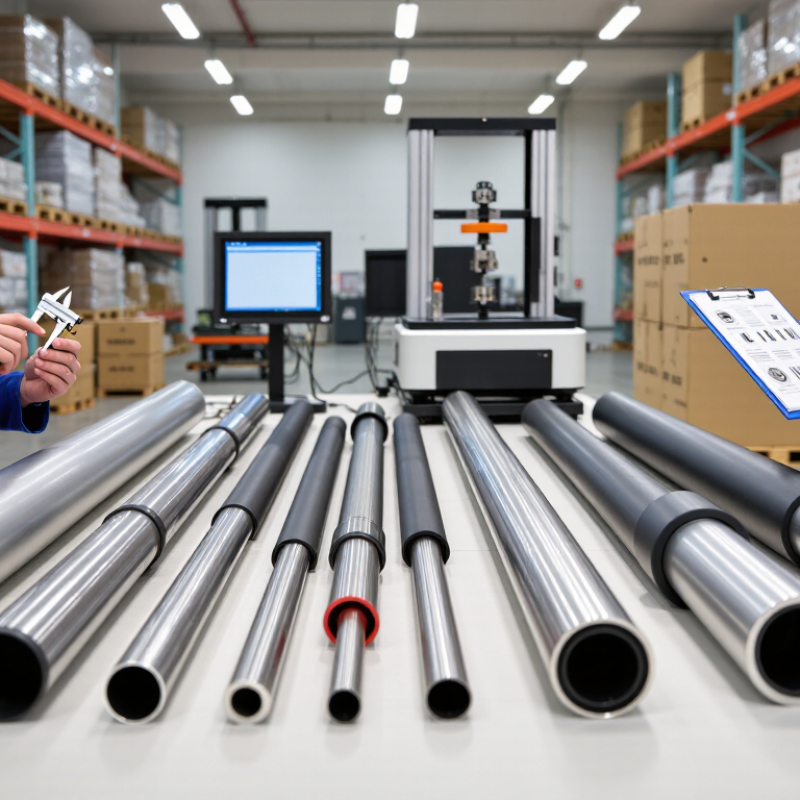
Rod heaters differ by shape, installation, and heat transfer method. Tubular heaters suit ovens, tanks, and air ducts. Cartridge heaters fit drilled metal blocks and provide concentrated heating. Immersion rods transfer heat directly into liquids, while finned rods improve airflow heating. Fit comes first. Measure the heated length, diameter, mounting thread, and available clearance before comparing prices.
Most rods use stainless steel, copper, or nickel-based alloys. Stainless steel handles moisture and many industrial fluids. Copper transfers heat quickly but may react with certain chemicals. Nickel-based sheath materials tolerate higher temperatures and repeated cycling. Inside, resistance wire creates heat through electrical resistance. Mineral insulation transfers heat efficiently while separating the wire from the sheath. Some designs use ceramic insulation for extreme temperatures. Heating performance depends on watt density, voltage, surface temperature, and contact quality.
For global sourcing, specify voltage, wattage, tolerance, sheath material, lead length, and test requirements in one document. A 230-volt rod may fail in a 110-volt system, or heat too slowly. Request insulation resistance, dielectric strength, dimensional, and leakage-current records. Protective earth connections need careful verification. In practice, buyers sometimes select maximum wattage too quickly. That can cause dry spots, scale buildup, or early burnout. I would recheck the fluid level, control method, and cycling frequency before approving a sample. Small details matter.
Match Heater Specifications to Equipment and Operating Conditions
How to Choose Rod Heaters for Global Sourcing in 2026?
Match Heater Specifications to Equipment and Operating Conditions
Global sourcing in 2026 requires more than comparing wattage and price. Rod heaters should be selected from the equipment outward, not from a catalog inward. Start with the heated medium, available space, and machine’s duty cycle. A compact tank may need a short, high-density rod. A long process vessel may require distributed heating instead. Measure twice.
Surface load matters because dense heat can scorch oil, damage coatings, or create uneven temperatures. Use lower watt density for sensitive fluids and slow circulation. For water, air, molds, and metal parts, acceptable ranges can differ sharply. Confirm voltage, phase, sheath material, terminal design, and mounting thread with the equipment drawing. Small mismatches cause delays. They can also create unsafe hot spots.
In sourcing work, I ask for operating temperature, startup conditions, control accuracy, and cleaning methods before requesting quotations. Ask for drawings, test records, material certificates, and inspection points. These documents make supplier comparisons more reliable. Do not trust a perfect spreadsheet alone. A calculated length may still clash with a baffle or sensor. I have seen this overlooked. Leave clearance for expansion, servicing, and cable routing. Verify compliance with the destination market’s electrical and pressure-related requirements. Requirements can change. Build a sample approval step before volume production, and record every agreed tolerance. A modest design correction early is cheaper than rejected equipment at the port.
How to Choose Rod Heaters for Global Sourcing in 2026?
Match heater specifications to the equipment, heating medium, and operating conditions. The chart shows typical starting ranges for rod-heater watt density by application.
Lower watt density is generally preferred for stagnant liquids, oils, and temperature-sensitive materials, while higher watt density may be suitable for forced-air systems, molds, and compact equipment. Final selection should verify sheath material, temperature, voltage, power rating, immersion depth, airflow, and local electrical requirements.
Plan Testing, Installation, Logistics, and Long-Term Maintenance
Choosing rod heaters for global sourcing in 2026 starts with the test plan, not the purchase order.
Define voltage, watt density, sheath material, heated length, and operating temperature. Request sample units from the same production process used for volume orders. Test cold resistance, insulation resistance, heat-up time, and surface temperature at several points. A single reading is not enough. Use calibrated meters and record ambient temperature, mounting position, and test duration. Our early checklists often missed airflow changes. That small gap can distort results.
Installation needs equal attention.
Confirm bore diameter, insertion depth, terminal clearance, and allowable bending limits before the heater arrives. Add a drawing with tolerances, cable exits, and grounding points. Technicians should verify fit without forcing the element into the assembly. Forced insertion can damage insulation or create uneven heating. Trial installation in the actual equipment exposes issues that laboratory testing cannot. Photograph connections and torque values. Still, drawings may not reflect field conditions perfectly. Leave room for revision.
Global logistics can affect performance before commissioning.
Pack ceramic ends and terminals against vibration, moisture, and impact. Label each carton with part number, batch, voltage, and inspection status. Check customs documents early, because delayed heaters can interrupt production schedules. On arrival, inspect seals, resistance, and visible damage before storage. Keep units dry and rotate stock by receiving date. Build maintenance records around operating hours, temperature drift, and terminal discoloration. Replace damaged parts instead of improvising repairs. Review failure data quarterly and adjust specifications when repeated problems appear. This is where sourcing becomes a long-term engineering decision.