2026 Top Rod Heaters for Global Buyers What to Know?
In the ever-evolving world of industrial heating solutions, rod heaters have become essential for various applications. These devices are widely used to provide efficient heat transfer in processes like plastic molding, chemical processing, and oil heating. Global buyers looking to invest in rod heaters in 2026 face several considerations. Understanding the types available, their features, and installation requirements is crucial for making informed decisions.
Rod heaters vary significantly in design and performance. Buyers must consider factors such as watt density, material, and operational lifespan. However, missing out on crucial technical specifications can lead to poor performance and energy inefficiency. Many users have experienced challenges in finding the right fit for their specific needs. Reflecting on past purchases can lead to better choices.
Expert insights can provide clarity on maximizing the advantages of rod heaters. Until now, many users have underestimated the significance of proper maintenance. Regular upkeep not only extends heater life but also enhances efficiency. Engaging with knowledgeable suppliers can bring valuable experience to the purchasing process. By understanding these dynamics, global buyers can navigate the rod heater market with confidence in 2026.
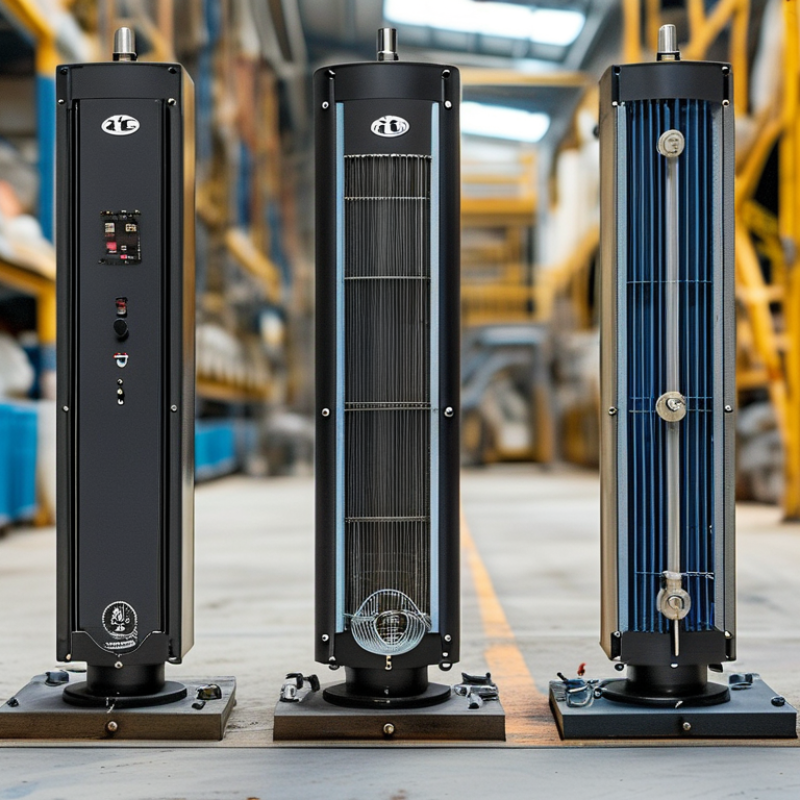
2026 Global Rod Heater Market Overview and Key Trends
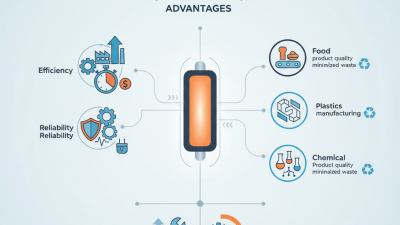
The global rod heater market is evolving rapidly as technological advancements reshape energy solutions. In 2026, buyers should expect enhanced efficiency and reliability in rod heaters. Manufacturers are increasingly focusing on creating products that are energy-efficient. This shift aligns with global sustainability efforts and the growing demand for eco-friendly solutions.
Key trends indicate a rise in smart rod heaters that integrate with home automation systems. These innovations allow users to monitor and adjust heating remotely. However, the market still faces challenges such as varying energy regulations worldwide. Buyers need to remain informed about regional compliance issues.
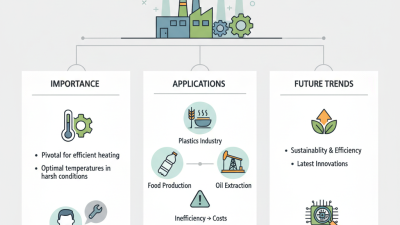
The diverse applications of rod heaters across industries reveal the importance of adaptability. In manufacturing, precise temperature control is crucial. Yet, not all rod heaters meet these specific needs, which can lead to inefficiencies. Buyers must weigh their options carefully, as an uninformed choice can result in wasted energy and increased costs.
Essential Specifications for Top Rod Heaters in 2026
When choosing rod heaters for various applications in 2026, understanding essential specifications is crucial. Rod heaters vary in material, length, and watt density, and these factors significantly affect performance. Common materials include stainless steel and Incoloy, known for their durability and corrosion resistance. Length varies to accommodate different setups, so always measure your specific installation space.
Watt density is another key specification to consider. Higher watt density can deliver heat quickly, but it may lead to overheating in some cases. Striking the right balance between watt density and operating temperature is essential for efficiency.
Selecting the right power source is vital as well. Some rod heaters run on AC, while others may require DC. Always confirm compatibility with existing equipment to avoid costly mistakes.
In your search for the right rod heater, pay close attention to safety features. Look for options with over-temperature protection. This can prevent overheating and potential accidents. Also, think about energy efficiency. Choose models that optimize power consumption while delivering effective heating.
Comparative Analysis of Leading Rod Heater Brands in 2026
In 2026, the rod heater market is rapidly evolving. A recent report from Global Industrial Insights found that global demand for rod heaters is projected to reach $1.2 billion by 2027. This growth is fueled by increased applications in manufacturing and processing industries.
Leading brands offer a variety of options. Performance, energy efficiency, and durability are key factors in a consumer's choice. However, some brands struggle with inconsistent quality. Reports indicate that up to 15% of heaters may fail to meet performance standards over time. This raises questions about reliability and after-sales service among market leaders.
Consumer feedback indicates that while some brands excel in thermal performance, others lag in customer support. User reviews highlight a preference for brands that provide clear warranty terms and robust technical assistance. The challenge remains for consumers to identify the brands that consistently deliver on their promises without falling into marketing traps.
Market Demand and Growth Projections for Rod Heaters by 2026
In recent years, the demand for rod heaters has seen significant growth. Industries are increasingly adopting advanced heating solutions for various applications. These heaters are crucial for precise temperature control in manufacturing and processing. As industries expand, so does their need for efficient heating technologies.
Projections indicate that the rod heater market will continue to rise through 2026. Factors driving this growth include technological advancements, a focus on energy efficiency, and sustainability. Many manufacturers are looking for energy-efficient options to minimize operational costs. This shift is prompting suppliers to innovate and enhance their product offerings.
Despite these positive trends, challenges remain. Not all buyers are aware of the specific needs for their applications. Misunderstandings can lead to choosing the wrong type of heater. This may result in inefficiencies or even equipment failure. Therefore, it is essential for buyers to conduct thorough research and consult experts in the field before making a decision. Each application has unique requirements, and a one-size-fits-all approach often falls short.
2026 Top Rod Heaters for Global Buyers - Market Demand and Growth Projections
| Region |
Market Size (USD Million) |
Growth Rate (%) |
Key Application Areas |
| North America |
150 |
5.2 |
Manufacturing, Food & Beverage |
| Europe |
120 |
4.8 |
Automotive, Chemical Processing |
| Asia Pacific |
200 |
6.5 |
Electronics, Aerospace |
| Latin America |
80 |
3.9 |
Energy, Pharmaceuticals |
| Middle East & Africa |
60 |
4.3 |
Construction, Oil & Gas |
Key Considerations for International Buyers of Rod Heaters in 2026
When buying rod heaters in 2026, international buyers should focus on several key factors. The global rod heater market is projected to grow significantly, estimated at around $3 billion by 2026, according to industry reports. Understanding the specifications of rod heaters becomes critical. Different regions may require specific voltage standards. Buyers need to ensure compliance with local regulations, which can vary widely.
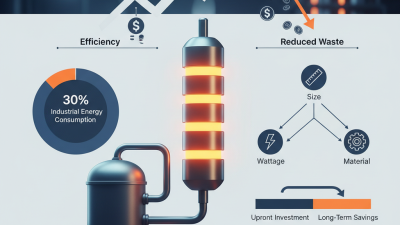
Another essential consideration is energy efficiency. Up to 30% of energy can be wasted in poorly designed heaters. Investing in high-efficiency models can reduce operational costs. It is also worth noting that durability matters. The longevity of rod heaters can save buyers on replacement and maintenance costs.
Quality assurance is paramount. Buyers should assess the manufacturing processes of suppliers. Inspecting certifications can indicate adherence to industry standards. It's important to consider after-sales service. Reliable support can mitigate issues that arise after a purchase. Some buyers overlook this aspect and face operational disruptions later. Keeping these factors in mind ensures a well-informed purchase in this evolving market.
2026 Rod Heaters Market Overview