Battery Heat Tape is a practical heating system designed to protect batteries in cold environments. It uses electrical resistance to create controlled warmth around a battery pack, enclosure, or selected battery surface. A thermostat or temperature controller usually regulates the heat. This prevents unnecessary energy use and reduces overheating risks.
Battery scientist Jeff Dahn has warned, “Temperature is the enemy of batteries.” His statement needs context. Extreme cold can slow chemical reactions, increase internal resistance, and reduce available power. Charging a very cold lithium battery can also cause serious damage. Battery Heat Tape helps by gently raising the battery temperature before operation or charging begins.
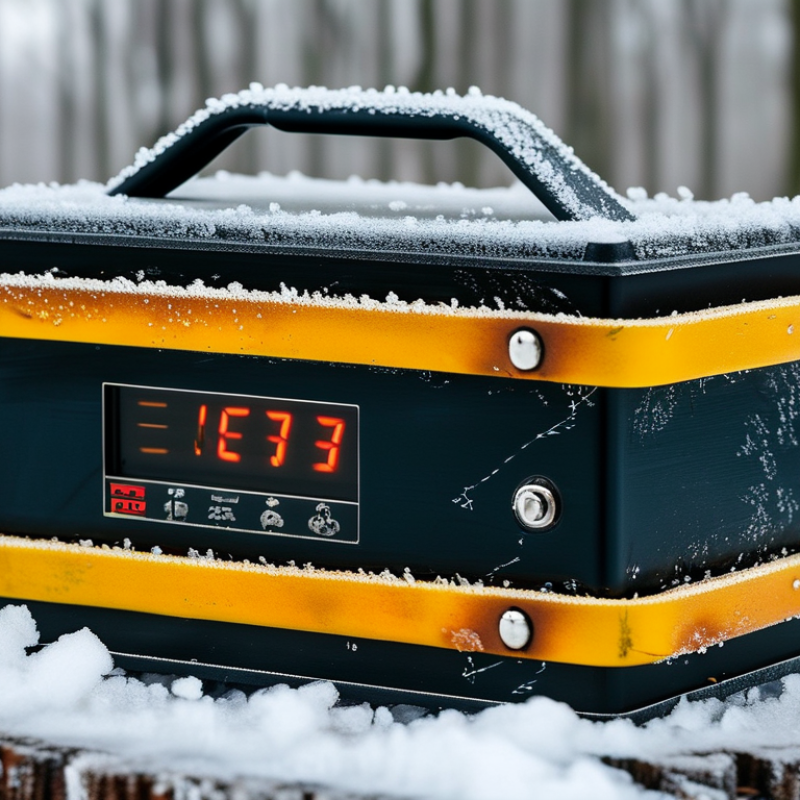
Imagine a battery mounted inside a metal case on a winter worksite. Frost covers the enclosure. The tape warms the case gradually, rather than creating a sudden hot spot. Good systems include insulation, sensors, current limits, and reliable surface contact. They should match the battery’s voltage and operating temperature range.
This technology is useful, but it is not a complete battery solution. Heat tape cannot repair an aging cell or correct poor wiring. It may also waste energy when insulation is weak. Careful installation matters. The controller should be tested under realistic conditions, including wind, moisture, and charging loads.
A closer look at Battery Heat Tape reveals both its value and its limitations. It supports safer cold-weather performance when properly selected. Still, every battery design behaves differently. That detail is easy to overlook.
Battery heat tape is a flexible electrical heating strip designed to warm batteries in cold conditions. It usually contains a resistance wire or etched heating element, protective insulation, and an adhesive or woven outer layer. When electricity passes through the element, resistance changes electrical energy into gentle heat.
It is not a battery.
The tape is normally powered by a separate low-voltage source or the battery system itself. A thermostat or temperature controller can switch heating on near a chosen temperature. This helps protect capacity, charging performance, and internal chemistry during freezing weather. For example, a technician may place the tape against the battery case before adding insulation around the enclosure. The surface should remain clean and dry, with no sharp folds or trapped moisture.
Good installation requires more than wrapping the tape tightly. Excess heat can damage a battery, weaken its casing, or create an electrical hazard. The heating strip must match the system voltage and power limits. A fuse, temperature sensor, and suitable wiring are important safeguards. Never cover a controller or press the tape against damaged cells.
In field use, heat tape can reduce cold-start problems, but it cannot repair an aging battery. It also uses energy when temperatures fall. This trade-off is easy to overlook. Testing the system with a thermometer is wise, because stated heating performance may change with wind, insulation, and battery size. In my experience, uneven contact creates cold spots, so careful placement matters more than appearance.
Battery heat tape is a resistive heating element wrapped around or placed near a battery to reduce the effects of cold temperatures. When electrical current passes through the tape, resistance converts electrical energy into heat. The chart shows the calculated heat output of an example 12 Ω heating tape at different input voltages using the formula P = V² ÷ R. Actual heat-tape ratings vary by design, length, and battery system.
Battery heat tape uses electrical resistance to create controlled warmth around a battery pack. When current passes through its resistive element, electrical energy becomes heat. This process follows Joule’s law: heat rises with current squared, resistance, and operating time.
The tape transfers heat mainly through conduction. A fitted backing presses against the battery enclosure, moving warmth into cold cells. Air circulation then spreads some heat through convection. A temperature sensor and controller usually regulate the cycle. This matters because cold lithium-ion cells accept charge less efficiently. Charging below 0°C can encourage lithium plating, which may permanently reduce capacity.
The International Energy Agency reported that global electric car sales exceeded 14 million in 2023. Its Global EV Outlook also estimated battery demand at about 750 GWh that year. These figures show why reliable thermal control is becoming more important, especially in outdoor storage and winter transport.
Tips: Measure surface temperature at several points. Do not trust one sensor blindly. Keep the tape flat and avoid sharp bends. Use insulation carefully, because trapped heat can become a problem. The U.S. Department of Energy warns that battery performance depends strongly on temperature, but heat tape is not a complete thermal-management system. Real installations are messier. Uneven contact, moisture, and aging insulation can reduce heating efficiency. A safer design uses temperature limits, current protection, and regular inspection.
Battery heat tape is a thin, flexible heater designed to keep batteries within a usable temperature range. It usually contains a resistive wire or etched metal foil, electrical leads, insulation, and a temperature sensor. An adhesive backing holds the tape against a battery case or mounting surface. Some systems also include a thermostat or electronic controller.
Its operating principle is simple. Electrical current passes through the resistive element and creates heat through resistance. The heating output follows the relationship P = I²R, so current and resistance both matter. A sensor monitors battery temperature and signals the controller to reduce or stop power when the target range is reached. It may restart heating after the battery cools.
Placement affects performance. Direct contact improves heat transfer, while wrinkles or air gaps create uneven warming. In practical installations, the tape should match the battery surface and never cover vents, terminals, or protective labels. Excess heat can damage cells, shorten service life, or increase safety risks. Battery heat tape is not a cure for a poor charging system.
Temperature control matters most.
A careful installer should verify voltage, wattage, sensor location, and insulation before operation. I would not assume every tape suits every battery chemistry. That assumption needs checking. Ambient temperature, battery size, and enclosure design can change the result, sometimes more than expected.
Battery heat tape is a flexible electrical heater placed around or beneath a battery enclosure. It warms the battery when low temperatures reduce charging performance. A thermostat or temperature sensor usually controls the heating cycle. This prevents constant heating and limits unnecessary power use.
Common applications include recreational vehicles, boats, and cold-weather vehicles. Heat tape can help maintain battery temperature during winter storage or overnight parking. It is also useful in remote solar systems, outdoor backup units, and telecommunications cabinets. In these locations, a cold battery may accept charge slowly or provide less usable capacity. The difference can be noticeable before sunrise.
Installation details matter. The tape should contact the battery enclosure evenly, without sharp bends or crushed sections. Insulation can improve efficiency, but ventilation and temperature limits must remain appropriate. Use a controller designed for the battery system. Never assume every battery chemistry needs the same heating method. Lithium-based batteries, for example, may require controlled warming before charging below freezing. The common mistake is believing more heat is better. It is not. Excessive heat can shorten service life or create a safety concern. Actual results depend on battery size, insulation, ambient temperature, and airflow. A careful inspection should check wiring, moisture, sensor placement, and surface temperature. Performance can vary, even in similar installations.
| Data Dimension | Typical Information | How It Works | Practical Application | Important Design or Safety Consideration |
|---|---|---|---|---|
| Basic Definition | Battery heat tape is a flexible electrical heater attached to or wrapped around a battery, battery enclosure, or selected battery components. | An electrical resistance element converts electrical energy into heat when current flows through it. | Used where a compact, conformable heat source is needed without installing a rigid heating plate. | It should be installed with uniform surface contact and should not be folded, sharply creased, or overlapped unless the heater is specifically designed for that use. |
| Primary Heating Principle | Resistive heating; the approximate electrical power is calculated as P = V²/R or P = I²R. | Electrical resistance produces heat, which is transferred through the tape's insulation and adhesive or mounting layer. | Suitable for warming battery surfaces, compartments, terminals, or nearby air within an enclosure. | The heater voltage and resistance must match the battery system and the available power supply. |
| Common Heater Materials | Flexible heaters commonly use etched-foil or resistance-wire elements with silicone rubber, polyimide, fiberglass, or similar electrical insulation. | The conductive element generates heat while the insulating layers provide electrical isolation and mechanical protection. | Silicone versions are often selected for flexible outdoor assemblies; polyimide versions are useful where a thin, lightweight heater is required. | Material selection should consider temperature rating, moisture exposure, flexibility, chemical compatibility, and required service life. |
| Temperature-Control Method | Common controls include thermostats, thermistors, temperature sensors, thermal switches, and closed-loop electronic controllers. | The control system switches or modulates heater power according to measured battery or enclosure temperature. | Automatic control helps maintain a safe operating range while reducing unnecessary energy consumption. | A temperature sensor should be positioned where it represents the battery temperature, not only the heater surface temperature. |
| Cold-Weather Lithium-Ion Charging | Many lithium-ion battery systems restrict charging near or below 0°C because charging at low temperature can cause lithium plating and permanent damage. | The heater raises the cell or pack temperature before and during charging when permitted by the battery-management system. | Used in electric mobility equipment, outdoor instruments, robotics, portable power systems, and low-temperature energy storage. | The battery manufacturer's charging-temperature limits always take priority. Heating must not be used to bypass battery-management protections. |
| Lead-Acid Battery Performance | Lead-acid batteries deliver less available capacity in cold conditions, and charging behavior changes as temperature changes. | Moderate warming can improve electrolyte activity and reduce cold-related performance loss. | Used in backup power cabinets, vehicles, telecommunications equipment, and off-grid power installations. | Heating does not replace correct temperature-compensated charging. Avoid excessive temperatures that can accelerate aging or water loss. |
| Battery Enclosure Heating | A heater may be mounted to the enclosure wall or placed near the battery to raise the internal air and surface temperature. | Heat is transferred by conduction to the enclosure and by natural or forced convection to the surrounding air. | Useful for outdoor cabinets, remote monitoring equipment, marine systems, and stationary energy-storage enclosures. | Insulation can reduce heat loss, but ventilation, condensation control, clearances, and moisture protection must still be addressed. |
| Preheating Before High-Load Operation | Cold batteries can show increased internal resistance and reduced voltage under load. | Preheating improves the battery's thermal condition before the system demands high current. | Applied to drones, robotic equipment, electric utility devices, and mobile power systems used in cold environments. | The energy used for heating reduces the energy available for the main application, so heating time and power should be minimized. |
| Typical Power-Design Factors | Required heater power depends on battery mass, surface area, insulation, ambient temperature, target temperature, wind, and warm-up time. | A higher heat-loss environment requires more input power to achieve the same temperature rise. | Small battery packs may need only a low-power heater, while large outdoor enclosures may require multiple distributed heating zones. | Calculate heat loss and verify the design through temperature testing rather than selecting power based only on battery size. |
| Electrical Compatibility | Heaters are available for different direct-current voltage systems, but the rated voltage must match the source or a suitable regulated controller must be used. | At a fixed resistance, changing voltage changes power output significantly. | Allows integration with battery packs, auxiliary power supplies, or dedicated heater circuits. | Include a fuse or current-limiting device, correctly sized wiring, secure terminals, and protection against short circuits. |
| Installation Method | Common methods include pressure-sensitive adhesive, mechanical clamps, thermal interface materials, or mounting to a heat-spreading plate. | Good contact improves heat transfer and reduces hot spots. | Used on flat battery surfaces, cylindrical-cell holders, battery trays, and enclosure panels. | The mounting method must not damage cells, restrict pressure-relief features, interfere with service access, or create local overheating. |
| Energy Efficiency | Heat tape is efficient at converting electricity into heat, but total system efficiency depends on heat loss to the environment. | Insulation, thermostatic control, and staged heating reduce unnecessary energy use. | Important for battery-powered systems where heater consumption directly reduces operating runtime. | Use the lowest practical setpoint and activate heating only when temperature and operating conditions require it. |
| Key Safety Risks | Potential risks include overheating, insulation damage, short circuits, cell damage, improper adhesion, and heating a damaged battery. | Faults can create concentrated hot spots or increase the risk of thermal runaway in vulnerable cells. | Safety controls are essential in consumer, industrial, vehicle, and stationary-storage applications. | Never heat a swollen, leaking, punctured, mechanically damaged, or otherwise abnormal battery. Use independent over-temperature protection where appropriate. |
| Best-Fit Applications | Cold-climate battery packs, outdoor electronics, backup power cabinets, electric mobility systems, robotics, drones, and off-grid storage. | The flexible heater maintains a more suitable battery temperature during storage, charging, or operation. | Most valuable when low temperature is a known cause of charging restrictions, reduced capacity, or increased internal resistance. | Application-specific testing is required to confirm warm-up time, temperature uniformity, power consumption, and long-term reliability. |

Battery heat tape is a flexible electrical heating element placed around, beneath, or near a battery enclosure. When powered, its resistance produces gentle heat. This helps reduce cold-related capacity loss and supports safer battery operation in low temperatures. It does not recharge a battery. It only manages temperature.
Safety deserves more attention than appearance. Confirm the battery chemistry, operating range, and charging limits before installation. Some batteries must not charge below a specified temperature. Use a thermostat or temperature controller to prevent continuous heating. A fuse should protect the heating circuit, and wiring must match the system’s voltage and current requirements. Keep tape away from terminals, sharp edges, moving parts, and fuel sources. Never cover damaged insulation. Moisture is another concern, especially inside outdoor enclosures.
Tips: Clean the mounting surface and remove loose dust before applying the tape. Do not overlap heating sections unless the instructions permit it. Leave ventilation around the enclosure, but prevent water entry. Test the controller with a thermometer, not just by touching the battery. Warm does not mean safe. A battery can feel comfortable while its internal temperature remains uneven. It is also easy to overestimate a simple installation; a neat layout may still create a hidden electrical risk. Inspect connections after the first cold-weather cycle, then check them periodically for discoloration, looseness, or brittle insulation.