Why Choose a Mica Insulated Band Heater?
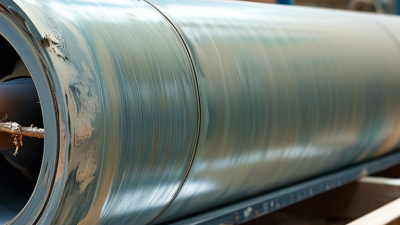
A Mica Insulated Band Heater is designed to transfer heat directly to cylindrical parts such as plastic processing barrels, pipes, and nozzles. Its mica insulation supports electrical isolation, while a metal sheath helps the heater maintain close contact with the surface. In practice, that contact matters: a loose band can create uneven temperatures, even when its rated wattage looks suitable.
The U.S. Department of Energy’s 2015 Improving Process Heating System Performance: A Sourcebook for Industry estimates that process heating uses about 17% of the energy consumed by U.S. manufacturing. That figure describes process heating broadly, not mica band heaters specifically. Still, it explains why heater selection, fit, and temperature control deserve attention. A properly sized mica band heater can support responsive heating and straightforward installation, but it cannot compensate for poor barrel contact or inadequate controls.
There is a trade-off. Mica-insulated designs may suit applications needing moderate temperatures and practical replacement, yet they are not ideal for every environment. Moisture, contamination, vibration, and repeated thermal cycling can affect service life. As DOE process-heating guidance emphasizes, performance depends on the entire heating system—not one component. A named expert’s quotation specific to mica band heaters could not be verified for this introduction, so no direct quote is attributed. That restraint matters. Buyers should compare actual operating conditions, dimensions, watt density, and manufacturer test data before choosing a heater.
What Is a Mica Insulated Band Heater?
Why Choose a Mica Insulated Band Heater?
What Is a Mica Insulated Band Heater?
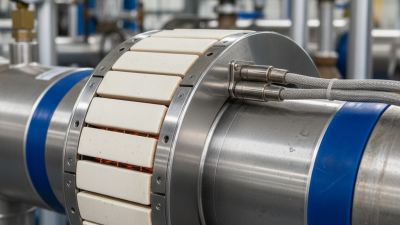
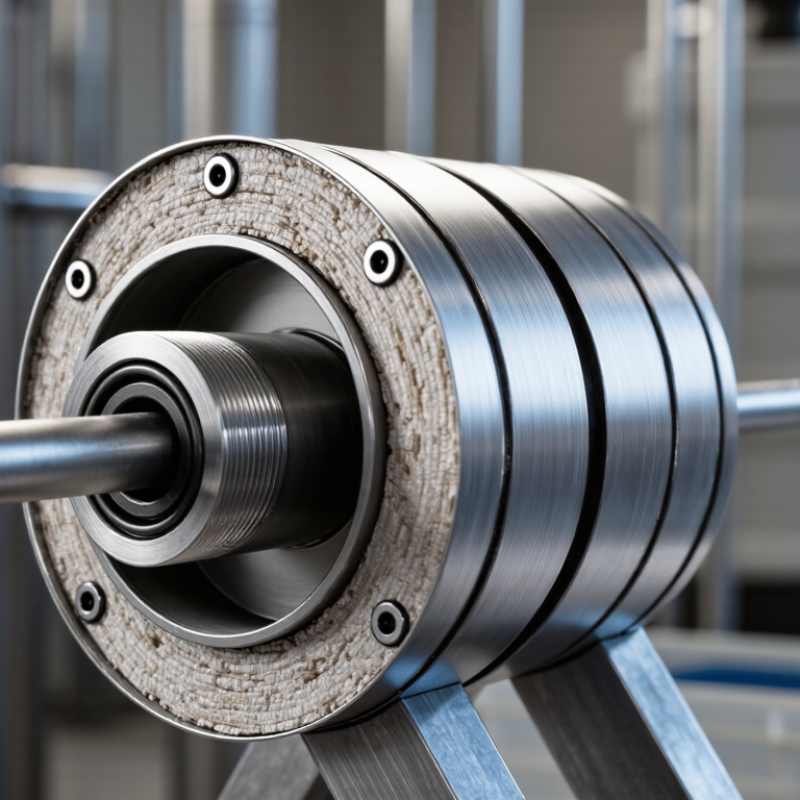
A mica insulated band heater is an electric heater that clamps around a cylindrical surface, such as an extruder barrel or process pipe. Inside its metal shell, a resistance element sits between mica layers. Mica provides electrical insulation while helping transfer heat toward the surface in contact with the heater. Think of a warm metal jacket fitted closely around a barrel. A close fit matters: gaps can create uneven heating and hot spots. The U.S. Department of Energy’s Improving Process Heating System Performance: A Sourcebook for Industry reports that process heating uses about two-thirds of manufacturing energy in the United States. That figure covers many heating technologies, not band heaters alone.
These heaters are often selected for compact installation, replaceability, and responsive heating. But “insulated” does not mean heat loss disappears, or that every installation saves energy. Results depend on fit, control settings, surface condition, and insulation around the heated equipment. This distinction is easy to miss. A loose clamp can undermine careful temperature control.
Tips: Check the barrel diameter and heater contact before installation. Keep the thermocouple positioned as specified by the equipment maker, and inspect for loose clamps or damaged leads. Small details matter.
Why Choose a Mica Insulated Band Heater?
Mica insulated band heaters use mica sheets to electrically insulate the heating element from the metal casing. The chart compares approximate room-temperature thermal conductivity values for mica and common metals.
Values are representative and approximate; actual thermal conductivity varies with material grade, composition, and mica orientation. This comparison describes material properties, not heater output or efficiency.
How Its Mica Insulation and Heating Element Work
A mica insulated band heater warms a pipe or barrel through a simple resistance-heating process. Current passes through a resistance-wire element, which produces heat. Mica sheets electrically separate the wire from the metal band while limiting heat loss outward. The band’s inner surface then transfers heat to the cylinder by contact. That matters. A loose fit, residue, or a warped barrel can create uneven temperatures, even when the heater itself is working.
The U.S. Department of Energy’s 2015 Improving Process Heating System Performance sourcebook reports that process heating accounts for about 17% of energy use in U.S. manufacturing. That figure covers many heating systems, not mica band heaters alone, but it shows why heat delivery and control deserve attention.
In use, check the band’s fit, wiring, and temperature-sensor position. A sensor placed far from the heated zone may not reflect the barrel’s hottest spot. Mica insulation supports electrical isolation, but it cannot correct poor installation. I would inspect contact and temperature variation before assuming the element has failed; that check is easy to overlook.
Key Benefits of Mica Insulated Band Heaters
Mica insulated band heaters are valued for compact, dependable heat around cylindrical metal parts. A thin mica core separates the resistance wire from the outer sheath, providing electrical insulation while allowing heat to pass through. The slim design helps the heater sit close to a barrel, nozzle, or process pipe. Close contact matters. When properly clamped, the band can distribute heat more evenly across the surface. Operators may also value its relatively quick warm-up and straightforward installation during equipment changes.
Benefits depend on correct sizing and installation. A well-matched heater can help maintain steady temperatures, especially with a well-placed sensor and controller. The metal band holds the heating element against the work surface and offers some physical protection. Mica is not magic. Loose clamps, dirt, or an uneven barrel can reduce heat transfer and shorten service life. Moisture, vibration, and the heater’s temperature rating also deserve attention during selection, since designs and working conditions vary. During maintenance, check the band’s fit and wiring before returning the equipment to operation.
Common Applications Across Industrial Processes
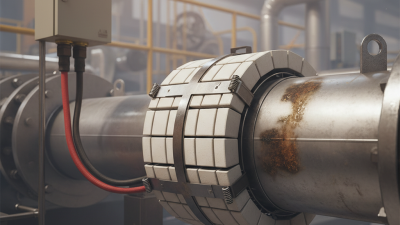
Mica insulated band heaters are commonly fitted to injection-molding and extrusion barrels. They transfer heat to a cylindrical metal surface while mica layers electrically insulate the heating element. A close fit matters: a loose band can create uneven temperatures along the barrel. Small detail. Real consequences.
Applications extend to blow-molding equipment and process pipes that need controlled external heating. Plastics Europe’s Plastics—The Fast Facts 2024 reports global plastics production of 413.8 million tonnes in 2023. That figure does not measure heater use, but it shows the scale of plastics processing where barrel temperature control is important. Not every line runs alike.
Heating is one part of a larger energy picture. A U.S. Department of Energy analysis estimated that process heating accounted for about 51% of manufacturing energy consumption in 2010. This broad estimate is not specific to mica band heaters. Still, it makes insulation and routine checks worth attention. Technicians should confirm dimensions, watt density, temperature limits, and surface contact against equipment requirements. Real lines are rarely perfect; worn clamps, residue, or barrel damage can affect heat transfer. Choose for operating conditions, not just price.
How to Choose the Right Band Heater for Your Equipment
Choosing the right band heater starts with the equipment, not the catalogue. Measure the barrel’s outside diameter and the heated zone’s width, then check for ports, seams, and other obstructions. A small gap between the heater and barrel can create uneven heat transfer. Fit matters.
Next, confirm the required voltage, wattage, and operating temperature with the equipment specifications. A mica-insulated band heater can provide efficient, responsive heating when its inner surface makes close contact with a clean, round barrel. But more wattage is not automatically better. Excess heat may damage materials or make temperature control harder. That assumption is easy to make, and worth questioning.
Consider the heater’s fastening style, lead position, and available clearance before ordering. Hinged designs can simplify installation where access is limited; fixed bands may suit equipment with room for straightforward fitting. Check that the control sensor measures the process temperature, rather than only the heater surface. Measure twice. After installation, tighten the band evenly and monitor temperature during a controlled warm-up. If the barrel is worn or out of round, even a correctly specified heater may perform poorly.