Why Choose an Infrared Heater for Efficient Heating Solutions?
As energy efficiency becomes increasingly essential, many homeowners are exploring alternatives to traditional heating methods. Infrared heaters are gaining traction for their unique benefits. According to the Energy Efficiency and Renewable Energy Office, infrared heaters can achieve up to 90% efficiency, making them a top choice in the heating market.
Dr. Emily Harper, an expert in heating technology, emphasizes that “infrared heaters provide warmth directly to people and objects. This leads to less energy waste.” Unlike conventional heaters, infrared technology warms the room by heating surfaces rather than the air. This process results in quicker warmth and lower energy bills for users.
However, there are concerns to consider. Some users report a dry atmosphere due to the heater's method of operation. Additionally, while effective, infrared heaters might not be ideal for heating large spaces uniformly. It’s crucial to assess your specific needs before making a choice. Thus, the growing popularity of infrared heaters signals a shift towards more efficient and targeted heating solutions.

Benefits of Infrared Heaters for Home and Commercial Use
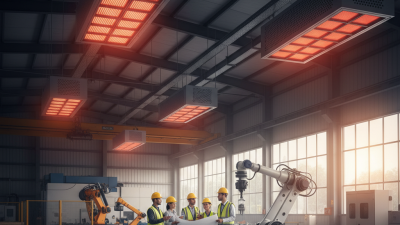
Infrared heaters have gained popularity for both home and commercial use. They provide efficient heating by directly warming objects and people rather than the air. This method reduces energy waste, which is essential in today's economy.
One key benefit of infrared heaters is their quick heating capability. They can warm a room in minutes instead of hours. This is especially useful in spaces where heat is needed on demand. Think about chilly mornings or unexpected gatherings. An infrared heater can save time and energy.
Tips: Consider the size of the space where you want to install the heater. A larger room may require multiple units. Also, pay attention to the heater's placement. Positioning it where people spend most of their time enhances comfort.
Infrared heaters also promote better air quality. Unlike traditional heaters, they do not circulate dust or allergens. This feature is beneficial for those with allergies or respiratory issues. However, make sure to maintain the heater regularly to prevent dust buildup on surfaces. That can affect performance and efficiency.
Benefits of Infrared Heaters for Home and Commercial Use
How Infrared Heating Works: Mechanism and Technology
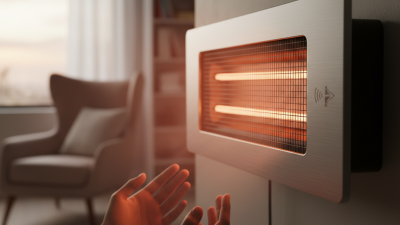
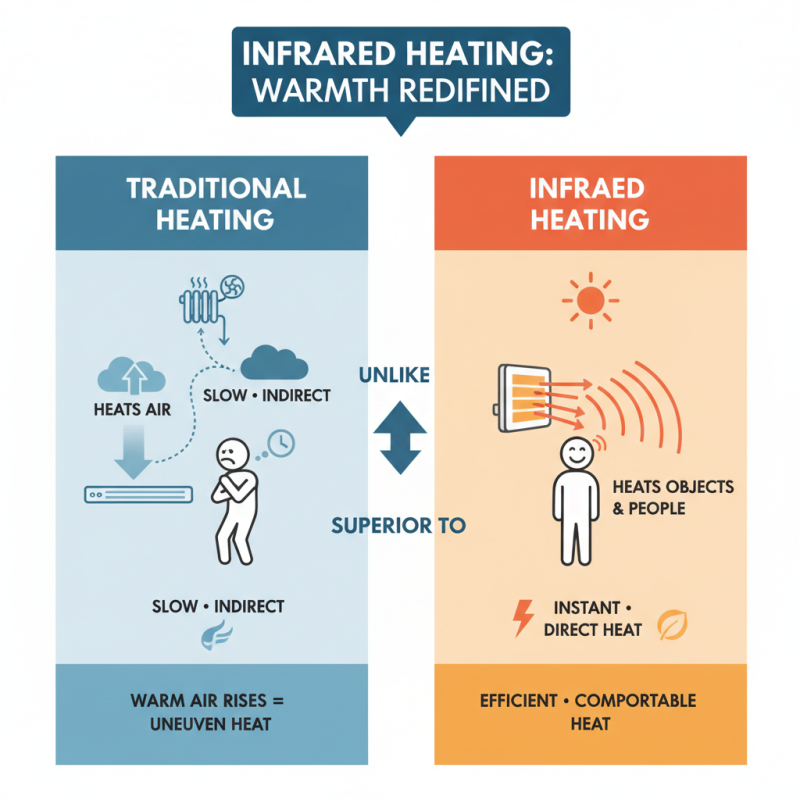
Infrared heating operates on simple yet effective principles. It uses infrared rays to directly warm objects and people in a space. Unlike traditional heaters, which heat the air, infrared heaters create a warm, comfortable environment. This technology allows for quick heating that feels immediate, without the delay experienced with conventional systems.
The mechanism behind infrared heating involves electromagnetic radiation. When the heater emits infrared light, it travels through the air and directly warms the surfaces it encounters. These surfaces then radiate heat into the room. The experience is noticeably different; you feel the warmth without having to heat the entire space. Often, users report a more pleasant and cozy atmosphere when using infrared heaters.
However, some might find the heat inconsistent in larger spaces. It can be challenging to maintain an even temperature everywhere. Additionally, these heaters may require correct placement for optimal efficiency. Arranging furniture can block heat distribution. Collectively, these factors highlight the need for mindful usage. Understanding how infrared heating works is crucial for maximizing its benefits.
Energy Efficiency: Cost Savings with Infrared Heaters
Infrared heaters are becoming a popular choice for energy-efficient heating solutions. According to a recent report by the Department of Energy, infrared heaters can convert up to 90% of electrical energy into heat. This means more warmth with less wasted energy. Traditional heating methods operate at only about 60% efficiency. The difference in energy usage can lead to significant cost savings over time.
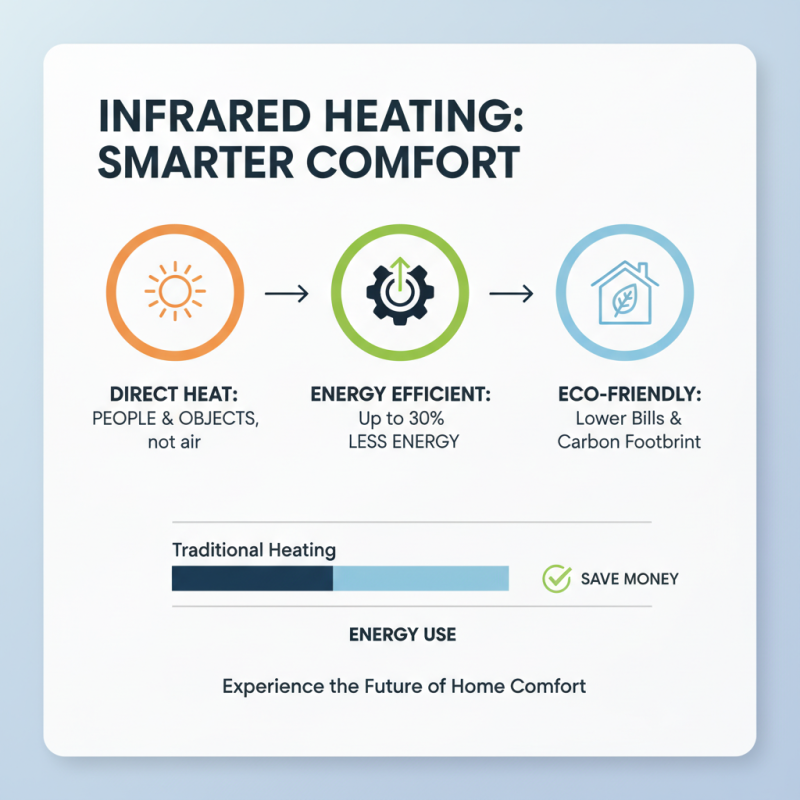
Homeowners can save money on their heating bills. The average family spends around $2,200 a year on energy, with heating accounting for a large portion. Switching to infrared heating can reduce these costs by up to 30%. This technology works by directly heating people and objects, rather than the air. As a result, rooms warm up faster and maintain heat longer, even when the heater is turned off.
However, it’s important to consider that infrared heaters require careful placement. They work best in open spaces where air circulation isn’t obstructed. Improper placement can reduce efficiency and create hot or cold spots. Personal preferences also play a role—some may find the sensation of infrared heat different. Thus, experimenting with various setups can help achieve the best comfort levels while maximizing energy savings.
Comparison of Infrared Heaters with Traditional Heating Solutions
Infrared heaters provide a unique approach to home heating. Unlike traditional systems that heat the air, infrared heaters warm objects and people directly. According to a recent industry report, infrared heaters can be up to 30% more energy efficient than conventional heating methods. This efficiency translates into lower energy bills and a smaller carbon footprint.
Traditional heating systems often struggle with heat loss through drafts and poor insulation. In contrast, infrared heaters deliver warmth instantly. They do not require extensive ductwork, which can be costly to maintain. However, there are concerns regarding the initial installation costs of infrared systems. Homeowners may question whether the long-term savings will offset these expenses.
The infrared heating technology is not flawless. While they heat spaces efficiently, the warmth may diminish quickly in well-ventilated areas. Achieving the right balance of comfort can require some experimentation. Additionally, these heaters are best suited for specific spaces. Not every home may benefit equally from their use. Thus, potential buyers should consider their unique heating needs before making a switch.
Safety Features and Environmental Impact of Infrared Heating Systems
Infrared heaters offer efficient heating solutions with notable safety features. They emit heat directly to objects and people in the room, rather than warming the air. This results in less energy waste. A study by the Department of Energy highlights that infrared heating can reduce energy consumption by up to 50%.
Safety is also paramount. Most infrared heaters come with built-in overheat protection. This feature automatically shuts off the unit if it gets too hot. Additionally, many are made with materials that remain cool to the touch, minimizing the risk of burns. A recent report from the Consumer Product Safety Commission states that infrared heaters have a significantly lower risk of fires compared to traditional heating methods.
Tip: Always keep infrared heaters at a safe distance from flammable materials.
Another benefit lies in their lower environmental impact. Infrared heating does not rely on fossil fuels, which helps decrease greenhouse gas emissions. However, some systems may still use electricity produced from non-renewable sources. Users should consider their local energy policies for more sustainable heating options.
Tip: Look for energy-efficient models to maximize savings and reduce your carbon footprint.