How to Use Battery Heat Tape for Optimal Performance and Safety
Battery heat tape plays a vital role in optimizing battery performance, especially in extreme temperatures. Research shows that battery efficiency can drop by up to 20% in cold climates. Proper insulation is essential for maintaining optimal operating temperatures. Dr. Emily Carson, a leading expert in thermal management systems, emphasizes, "Understanding how to use battery heat tape can prevent performance loss and increase safety."
Good practice involves applying battery heat tape uniformly around the battery pack. This ensures even heat distribution and minimizes thermal resistance. However, users often overlook the importance of regular inspections. Damage or improper application can lead to safety hazards. Reports indicate that nearly 15% of battery-related incidents stem from inadequate thermal regulation.
Additionally, consumers must consider the specifications of battery heat tape products. Not all tapes are created equal; improper selection can limit effectiveness. Reliable brands often provide detailed guidelines for their products. By leveraging these insights, users can maximize the benefits of battery heat tape while prioritizing safety and performance.
Understanding Battery Heat Tape: Purpose and Benefits
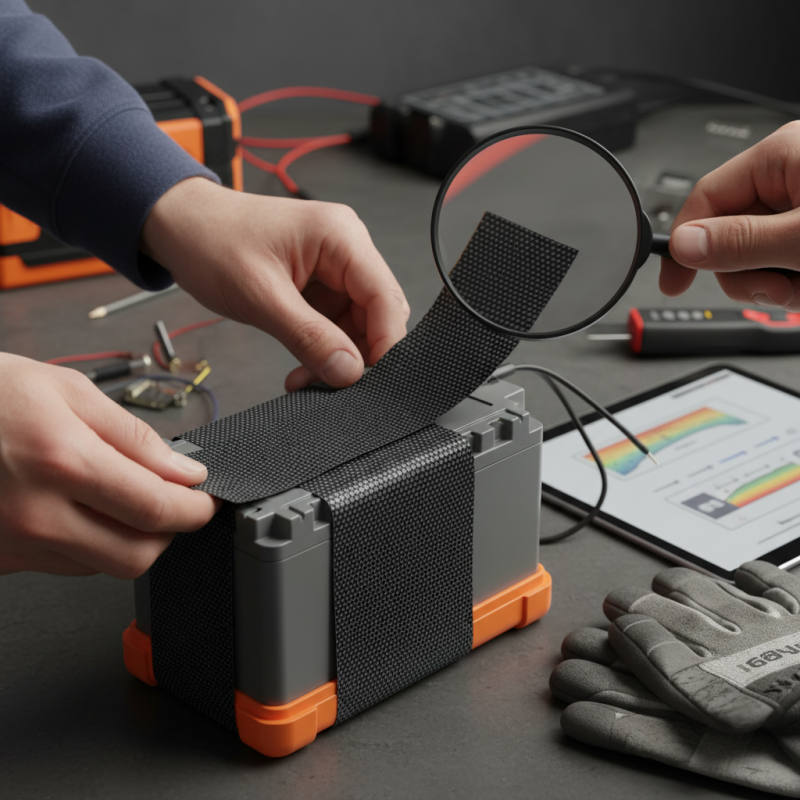
Battery heat tape serves a crucial role in maintaining optimal battery performance, especially in harsh weather conditions. It is designed to provide consistent warmth to batteries, ensuring they operate efficiently. A 2021 industry report revealed that battery efficiency declines by up to 20% in temperatures below freezing. Therefore, applying heat tape can significantly enhance battery life and performance.
The benefits of using battery heat tape extend beyond just efficiency. Proper insulation through heat tape helps prevent condensation within the battery casing. It reduces the risk of freeze damage, which can lead to costly replacements. When installed correctly, heat tape can maintain battery temperatures in a safe range, improving reliability and longevity.
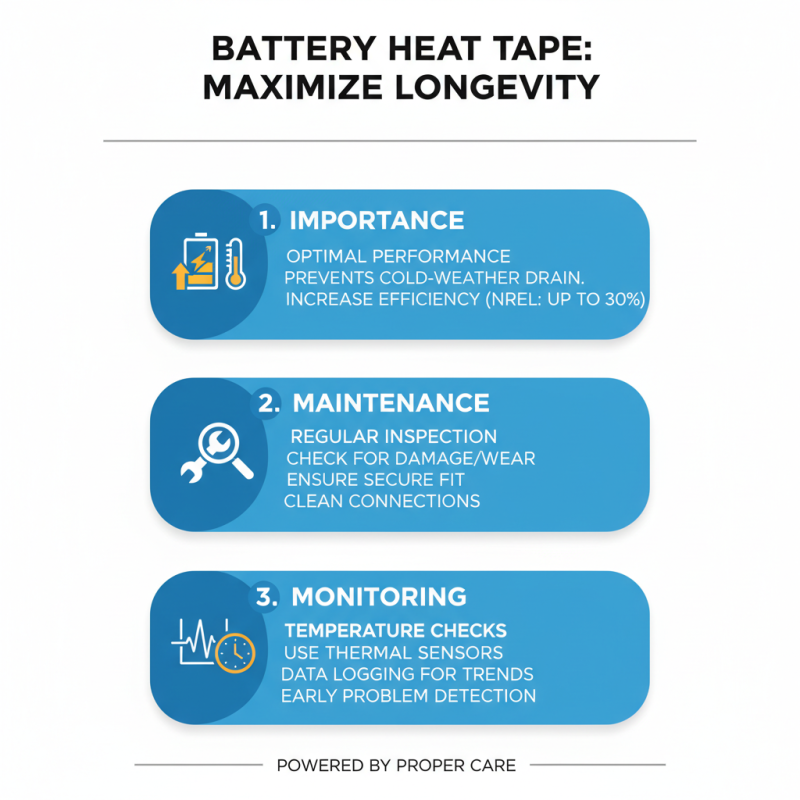
**Tip:** Before applying heat tape, ensure the battery surface is clean. Dust and dirt can hinder adhesion and effectiveness.
Another important consideration is choosing the right type of heat tape. Not all heat tapes are created equal. Some may not withstand high temperatures, leading to potential failure. Always follow manufacturer recommendations for installation and usage.
**Tip:** Regularly inspect your heat tape for signs of wear. This can prevent unexpected battery failures in critical moments.
How to Use Battery Heat Tape for Optimal Performance and Safety - Understanding Battery Heat Tape: Purpose and Benefits
| Feature |
Description |
Benefits |
Application Areas |
| Temperature Regulation |
Maintains optimal battery temperature |
Enhances battery life and performance |
Electric vehicles, solar energy systems |
| Easy Installation |
Simple peel-and-stick application |
Convenient for DIY projects |
Home batteries, RVs, and boats |
| Energy Efficiency |
Reduces energy wastage |
Cost savings on energy bills |
Off-grid solar systems |
| Safety Features |
Prevents battery freezing |
Reduces risk of malfunction |
Cold climates and winter use |
| Durability |
Resistant to moisture and damage |
Long-lasting performance |
Industrial applications |
Selecting the Right Type of Battery Heat Tape for Your Needs
Selecting the right type of battery heat tape is crucial for performance and safety. Not all tapes are created equal. You’ll want to consider the material composition. Some tapes excel in low temperatures, while others handle high heat better. Check the specifications. Ensure they match your battery's requirements.
When evaluating heat tapes, look at the adhesive quality. A weak adhesive can lead to poor contact, causing inefficiency. Make sure the tape you choose can withstand environmental conditions. This will prevent it from peeling or failing under stress. It might be tempting to choose based solely on price, but this can lead to future problems.
Proper application is essential but often overlooked. Take your time when placing the tape. Inadequate installation can reduce effectiveness. Mistakes happen, and that’s part of the learning process. If your battery isn’t performing as expected, reflect on your choices and methods. Finding the right tape may take some trial and error, and that's okay.
Battery Heat Tape Performance Comparison
This chart compares the performance of different types of battery heat tape based on their maximum temperature range (°C), insulation thickness (mm), and overall adaptability to various battery types.
Step-by-Step Guide to Installing Battery Heat Tape Safely
Installing battery heat tape
can significantly enhance battery performance, especially in cold conditions. Before starting, gather necessary tools:
scissors, tape measure, and a heat source. Ensure the battery area is clean and dry. This step is crucial
for adhesion and effectiveness.
Begin by measuring the length of the battery. Cut the heat tape to the appropriate size. It’s vital to avoid cutting
corners—literally and figuratively. Proper size ensures uniform heating. Place the tape around the battery, overlapping
it slightly to maintain coverage. Make sure there are no gaps. This helps in even heat distribution.
After applying the tape, connect the heat source according to the manufacturer’s instructions. Monitor the battery’s
temperature initially. It’s essential to keep the heat tape functioning within recommended limits.
Adjust as needed. Mistakes can happen, especially if overlooked.
Regular checks will ensure optimal performance and safety.
Common Issues and Troubleshooting Tips for Battery Heat Tape Users
Using battery heat tape can significantly enhance the performance of batteries in cold environments. However, users often encounter specific challenges.
A common issue is uneven heating, which can lead to local hotspots and damage the battery.
To prevent this, ensure the tape is applied smoothly without wrinkles, and maintain consistent contact with the battery surface.
Another prevalent problem is adhesive failure. If the tape peels away, it may create gaps that compromise heat distribution.
Regularly inspecting the tape's adhesion is crucial. Cleaning the battery surface with isopropyl alcohol can help improve bond strength.
Users should also be cautious about excessive heat. Overheating can accelerate battery degradation.
Consider using a thermostat to monitor temperatures effectively.
Lastly, troubleshooting involves addressing power supply issues. Ensure the heat tape is properly wired and check connections.
Loose connections can hinder performance or cause overheating.
Users should reflect on their installation methods. Conduct regular maintenance checks to identify potential problems early.
This proactive approach leads to safer usage and better overall efficiency.