2026 Top Infra Ray Heaters for Energy Efficient Heating Solutions?
In recent years, energy efficiency has become a critical concern for many consumers. As a result, Infra Ray Heaters have gained significant popularity. These heaters offer innovative heating solutions that promise to reduce energy consumption. They emit infrared rays, which directly warm objects and people rather than the air. This efficiency can lead to significant energy savings.
However, while Infra Ray Heaters have many benefits, there are also considerations to reflect upon. The market is filled with various models, each boasting unique features. Some may underperform in specific settings, leaving users unsatisfied. Choosing the right heater requires careful evaluation of one’s heating needs. Not all models are created equal, and some may lack durability or user-friendly controls.
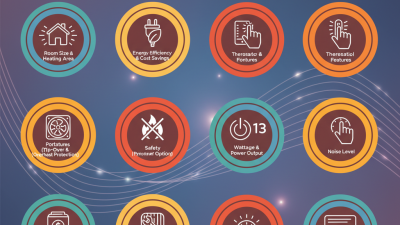
Finding the ideal Infra Ray Heater can be a journey. It’s important to consider factors like size, wattage, and design. Making an informed decision will ensure that the heater meets expectations. With the right guidance, homeowners can enjoy comfortable spaces without high energy costs. Embracing these advancements in heating technology could reshape how we think about energy consumption.
2026 Infrared Heater Technology: Innovations in Energy Efficiency
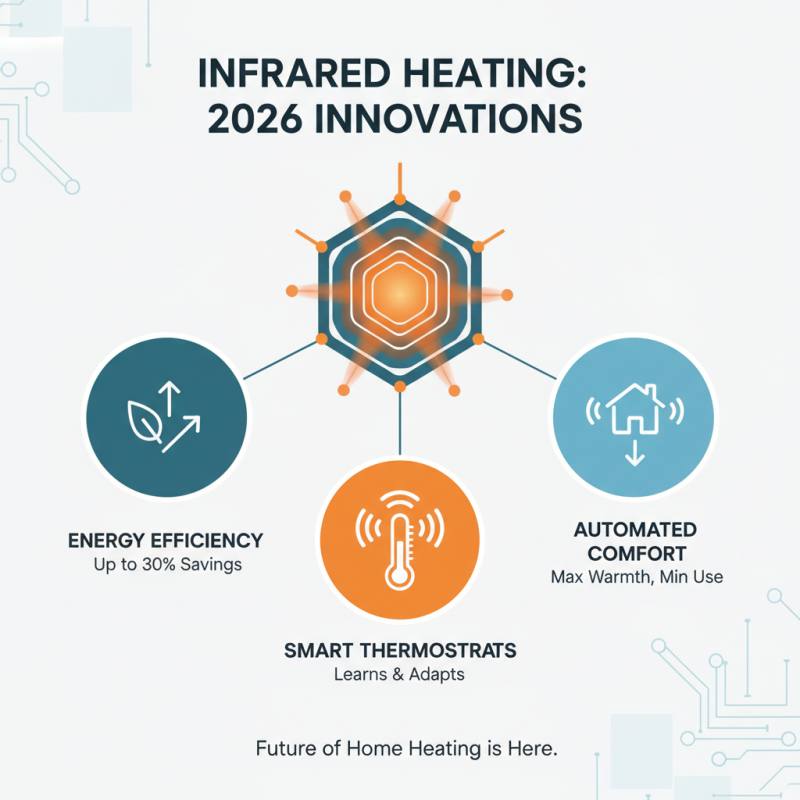
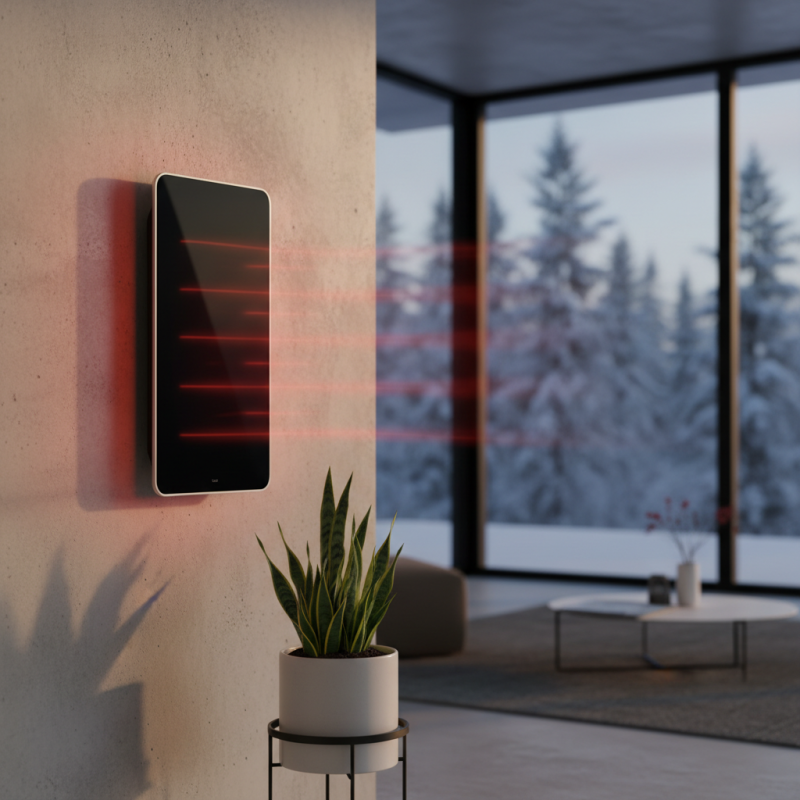
In 2026, infrared heater technology is experiencing remarkable innovations. Energy efficiency is at the forefront of these advancements. Many designs now incorporate smart thermostats. These devices learn your heating patterns. This means they automatically adjust to maximize warmth while minimizing energy use.
Some infrared heaters include advanced sensors. These sensors detect room occupancy. They can shut off when a room is empty, further saving energy. However, not all models utilize this technology effectively. Users must consider different features when choosing a heater. It can be challenging to find the right one that suits individual needs.
Another trend is the integration of eco-friendly materials in design. Manufacturers explore sustainable options to reduce environmental impact. While these developments are promising, they require careful examination. Not every option on the market lives up to the claims. Consumers should research and reflect on the best choices for their homes.
Key Energy Consumption Statistics for Infrared Heating Systems
Infrared heating systems are gaining traction for their energy efficiency. According to recent industry reports, these systems can reduce energy consumption by up to 30% when compared to traditional heating methods. Understanding energy consumption statistics is crucial for both residential and commercial users. An average infrared heater consumes about 1,500 watts per hour. In larger spaces, multiple units may be necessary, which can raise electricity bills if not managed properly.
The environmental impact is significant too. Infrared heaters emit less CO2 than conventional heating systems. This aligns with the global push for sustainability in energy consumption. However, there are some pitfalls. Users need to assess the insulation of their spaces. Poor insulation can lead to heat loss, diminishing the system's efficiency.
Tips: Always check insulation quality. Seal any drafts before installing infrared systems. Consider programmable thermostats for better usage. Adjusting the heater based on usage patterns could yield further savings. As we embrace these efficient solutions, continuous monitoring of energy consumption patterns can lead to better decisions. Investing in energy audits might also highlight areas for improvement.
2026 Top Infra Ray Heaters for Energy Efficient Heating Solutions
| Model |
Power Output (W) |
Energy Efficiency (%) |
Heating Area (sq ft) |
Average Operating Cost per Month ($) |
| Infra Ray Elite |
1500 |
90 |
600 |
50 |
| Eco Heat Pro |
2000 |
95 |
800 |
60 |
| Warm Wave 2500 |
2500 |
88 |
1000 |
70 |
| Radiant Heat 3000 |
3000 |
85 |
1200 |
80 |
Cost-Benefit Analysis of Top Infrared Heaters for 2026
When considering energy-efficient heating solutions, infrared heaters stand out. Numerous reports indicate that these devices can convert up to 90% of their input energy into heat. This efficiency reduces energy bills significantly. A recent study in 2023 shows that households can save up to 30% annually compared to traditional heating systems. Many users appreciate the direct heating method. It warms objects and people instead of air, providing immediate comfort.
While the benefits are clear, there are also drawbacks to note. Some infrared heaters may have higher upfront costs, which can be a deterrent. Prices can range significantly, impacting initial investment decisions. A careful cost-benefit analysis reveals that, although these heaters may be pricier, they often pay for themselves over time. Additionally, some consumers report initial discomfort due to rapid temperature changes.
Durability is another factor worth considering. Infrared heaters can last up to 20 years with proper use. However, they require maintenance to ensure optimal performance. Regular cleaning and checks are necessary to retain their efficiency over time. Balancing initial costs with long-term savings remains a key factor in choosing the right heating solution. Users should weigh all these aspects seriously before making a decision.
Comparative Review of Leading Infrared Heater Brands and Models
As we approach 2026, the demand for energy-efficient heating solutions continues to rise. Infrared heaters stand at the forefront of this trend. They provide warmth by directly heating objects and people rather than air. This process can increase energy efficiency by up to 30% compared to traditional heaters.
A recent report by the Energy Efficiency Council highlighted that infrared technology can reduce energy consumption significantly. Models available today offer various features, such as programmable thermostats and smart control options. However, consumers must navigate choices carefully. Some heaters may lack adequate safety features, leading to potential hazards.
Choosing the best model involves comparing wattage, area coverage, and energy consumption. Each design comes with its pros and cons. While some are lightweight and portable, others may be bulky, making placement challenging. Adequate research is necessary to ensure the selected heater fits personal needs and safety standards.
Environmental Impact of Infrared Heaters vs. Traditional Heating Solutions
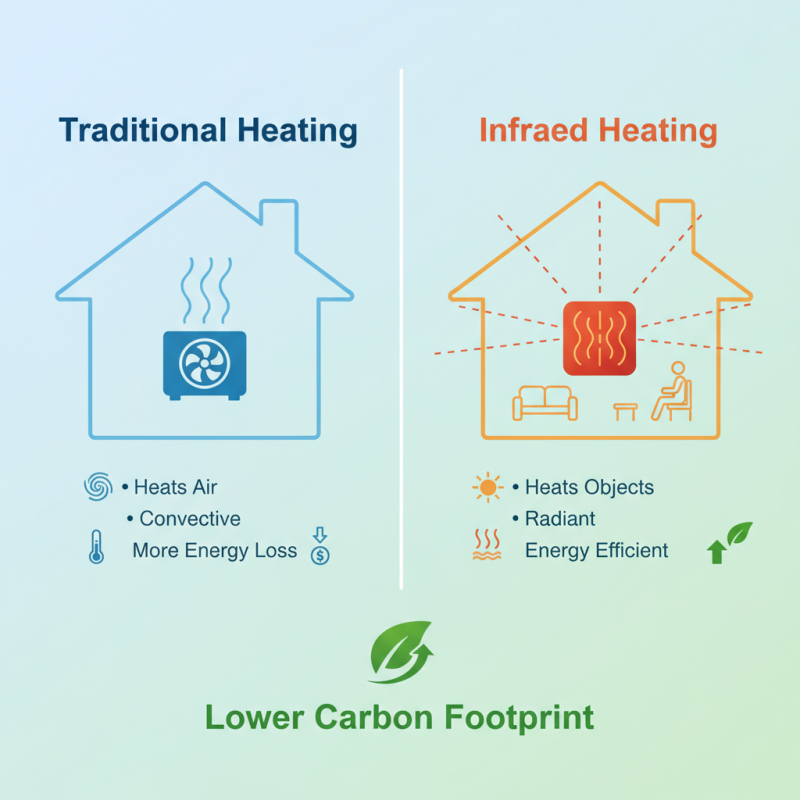
Infrared heaters offer a unique approach to heating spaces, standing in contrast to traditional methods. They operate by directly warming objects rather than surrounding air. This direct heat often means less energy wasted, making infrared solutions more efficient. In terms of environmental impact, they have a lower carbon footprint during use. This can be crucial as we strive for more sustainable energy solutions.
Tips: Consider the space you want to heat. Smaller areas may benefit more from infrared technology. Also, assess how well insulated your space is before making a choice. Infrared heaters might be less effective in poorly insulated rooms.
Infrared heating may not be suitable for everyone. Some individuals find the direct heat uncomfortable. It can alter the ambient temperature without changing the overall room feel. This inconsistency may lead to confusion about comfort levels. Therefore, testing different settings can be useful.