Top 10 Industrial Infrared Heaters in China for Efficient Heating Solutions?
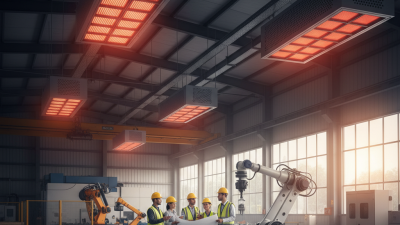
Industrial Infrared Heaters are transforming heating solutions in various industries. They offer efficiency and cost-effectiveness that traditional heating methods struggle to match. In China, the market for these heaters is growing rapidly, driven by advancing technology and rising energy costs.
These heaters work by emitting infrared radiation, which directly warms objects rather than the air. This direct heating method leads to significant energy savings and reduced operational costs. Users often report quicker heating times and improved productivity in their operations. However, selecting the right industrial infrared heater can be challenging.
Despite their benefits, there may be misconceptions about their capabilities. Not every infrared heater suits every application. It is essential to consider specific industry needs and requirements. Understanding these factors can help businesses make informed decisions. Exploring the top options available in China can provide valuable insights into making the best choice for efficient heating solutions.
Overview of Industrial Infrared Heating Technology in China
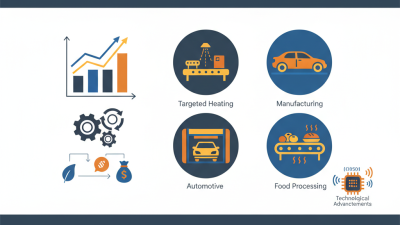
Industrial infrared heating technology has gained traction in China due to its efficiency and versatility. This technology utilizes infrared radiation to directly heat objects. It efficiently converts electrical energy into thermal energy with minimal waste. According to a recent report by the China Industrial Heating Association, the annual growth rate of infrared heater usage in industrial settings is projected to be around 15% over the next five years.
In various sectors, infrared heating offers numerous advantages. It can reduce energy consumption by 30% compared to conventional heating methods. This efficiency makes it particularly appealing for industries like automotive and textiles. However, implementing infrared heating systems requires careful planning. Operators need to assess their specific needs to maximize benefits and minimize costs. The technology may not be suitable for all processes, which poses a challenge when integrating new systems.
The inherent flexibility of infrared heating allows for customization. Different wavelengths can target specific materials, enhancing process efficiency. Yet, the variability in designs and placements can lead to inconsistencies in performance. Industry reports suggest the importance of regular maintenance and proper training for personnel. This ensures that businesses can fully leverage the potential of infrared technology without unintended downtime or inefficiencies.
Key Factors Influencing the Choice of Infrared Heaters
When choosing industrial infrared heaters, several key factors come into play. The heating efficiency is vital. Infrared heaters provide direct warmth, making them effective in various settings. This technology ensures quick heating, which can save time and energy.
Another factor is the heater's material quality. The durability of the heating element impacts its lifespan and effectiveness. Look for heaters made from robust materials. This will often enhance overall performance and reduce replacement costs over time.
**Tips:** Always assess your specific heating needs before making a purchase. Consider factors like the size of the space and insulation quality. Energy consumption is also crucial. Ensure the heater selected aligns with your energy efficiency goals while providing sufficient warmth.
The heater's ease of use should not be overlooked. User-friendly controls and straightforward installation are essential. Complicated systems can lead to frustration and inefficiency. Periodic maintenance also plays a crucial role in ensuring optimal performance over the long term.
**Tips:** Create a simple maintenance schedule to keep the heater working effectively. Regular checks can prevent unexpected failures. Remember to consider the warranty options. This can be an indicator of the manufacturer's confidence in their product.
Top 10 Infrared Heaters for Industrial Applications in China
Industrial infrared heaters are gaining popularity in China for their efficiency. These heaters use infrared radiation to provide targeted and quick heating solutions. This technology is particularly beneficial in various industrial applications, such as curing, drying, and heating large surfaces.
The primary advantage of infrared heating is its energy efficiency. Unlike traditional methods, which heat the air, infrared heaters warm objects directly. This leads to less energy waste and reduced heating times. Industries can significantly lower their operational costs with effective use of infrared heaters. However, selecting the right heater for specific tasks can be challenging. Proper understanding of power requirements and application areas is vital for optimal performance.
Another point to consider is safety. Infrared heaters, though efficient, can pose risks if not used correctly. Proper installation and regular maintenance are essential. Inadequate ventilation or improper positioning can lead to overheating or fire hazards. Industry professionals must be proactive in addressing these issues. Ongoing training and knowledge sharing are necessary to ensure safe and efficient operations.
Top 10 Industrial Infrared Heaters in China for Efficient Heating Solutions
| Model |
Power Output (kW) |
Heating Area (m²) |
Frequency (Hz) |
Efficiency (%) |
Weight (kg) |
Price (USD) |
| Model A |
3 |
50 |
50 |
90 |
15 |
500 |
| Model B |
5 |
80 |
60 |
92 |
20 |
800 |
| Model C |
7 |
100 |
50 |
88 |
25 |
1200 |
| Model D |
9 |
150 |
60 |
90 |
30 |
1500 |
| Model E |
11 |
200 |
50 |
85 |
35 |
2000 |
| Model F |
4 |
60 |
50 |
90 |
18 |
700 |
| Model G |
6 |
90 |
60 |
87 |
23 |
1100 |
| Model H |
8 |
120 |
50 |
88 |
28 |
1400 |
| Model I |
10 |
140 |
60 |
89 |
33 |
1800 |
| Model J |
12 |
180 |
50 |
91 |
40 |
2200 |
Comparative Analysis of Efficiency and Performance
In the industrial heating sector, efficiency is paramount. Infrared heaters have become a popular choice due to their ability to heat objects directly rather than relying solely on air. Studies show that infrared heaters can achieve an efficiency rate of up to 95%. This means less energy waste. Traditional heating methods often struggle to reach 70% efficiency.
Efficiency varies significantly among different models. For instance, some infrared heaters offer quicker heat-up times, while others excel in energy consumption. Evaluating performance demands a closer look at the infrared wavelength. Shortwave heaters penetrate materials better, making them suitable for applications like drying. In contrast, longwave heaters provide gentle heat, ideal for space heating.
Tips: When choosing an infrared heater, consider the specific application. Measure space to ensure the selected heater meets requirements. Regular maintenance is key to sustaining efficiency. Dust buildup can hinder performance.
Reflecting on common concerns, not all infrared heaters maintain consistent performance. Some may overheat or require frequent adjustments. It's essential to monitor these aspects closely. User reviews can offer insights, but data from reputable studies should always be prioritized. Reliable performance information is crucial when making a purchasing decision.
Top 10 Industrial Infrared Heaters Efficiency Comparison
Future Trends in Industrial Infrared Heating Solutions in China
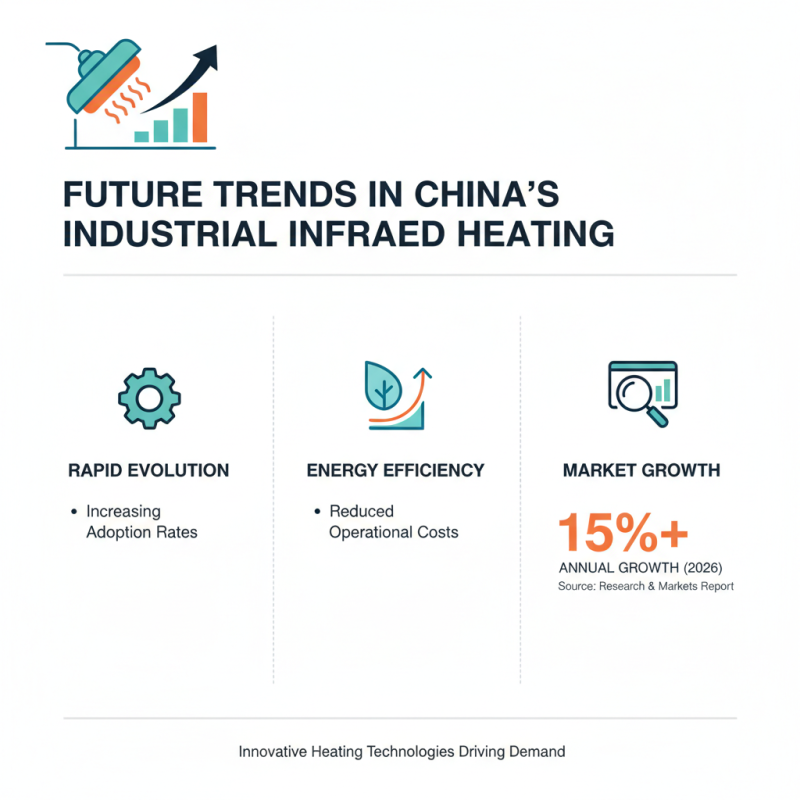
The industrial infrared heating sector in China is evolving rapidly. Adoption rates are increasing as industries seek energy-efficient solutions. According to a recent report from Research and Markets, the infrared heating market in China is projected to grow by over 15% annually through 2026. This growth indicates a strong demand for innovative heating technologies that can reduce operational costs.
One significant trend is the advancement of infrared emitter technologies. New materials, like carbon nanotubes, are enhancing efficiency and lifespan. The industry is also focusing on integrating smart technology for better control. Real-time monitoring and automation can optimize energy usage. However, the high initial investment for these systems poses challenges for many smaller companies.
Another emerging trend is the rise of sustainability in manufacturing. Companies are increasingly required to meet environmental standards and reduce carbon footprints. Infrared heaters, with their lower emissions, can significantly contribute to these goals. Yet, the transition may come with technical difficulties. Proper training for personnel is essential to maximize benefits. Balancing efficiency with usability remains a key focus area. The future for industrial infrared heaters appears promising, though addressing these hurdles is critical for long-term success.