Top 10 Finned Heaters for Efficient Home Heating Solutions?
When winter's chill sets in, efficient heating becomes crucial. Many homeowners seek reliable solutions for warmth. Finned heaters stand out as an effective option. They use fins to increase surface area, facilitating better heat transfer.
Choosing the right finned heater can be overwhelming. With various types available, some models excel in efficiency. Others may fall short on performance. You might notice issues like noise or uneven heating. It's essential to research and consider your unique needs before making a purchase.
A finned heater can greatly improve comfort in your home. Efficiency translates to lower energy bills. However, not every unit will meet your expectations. Evaluating features and user reviews can help you avoid disappointment. Let's explore the top 10 finned heaters that promise dependable and efficient home heating solutions.
Understanding Finned Heaters: Basic Concepts and Functionality
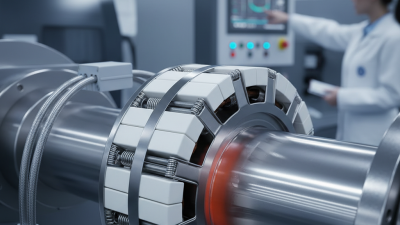
Finned heaters are a popular choice for home heating. They work by increasing the surface area of the heating element. This design allows for greater heat transfer to the surrounding air. As the air warms, it rises and circulates throughout the room. This method is efficient, providing warmth without major energy waste.
The basic functionality of finned heaters is simple yet effective. When electricity passes through the heating element, it generates heat. The fins, often made of metal, absorb this heat and radiate it outward. Homeowners appreciate these heaters for their ability to quickly warm up spaces. However, placement is critical. If positioned poorly, they may not distribute heat effectively. Improper installation can lead to cold spots in a room, making the heating inadequate.
Maintenance is vital for optimal performance. Dust can accumulate on the fins, reducing efficiency. Homeowners often overlook this detail, which requires periodic cleaning. Additionally, some may forget to check the power supply. A weak connection can compromise the heater's function. These small oversights often lead to frustration during colder months. Understanding these basic concepts can help users make better decisions about their heating needs.
Key Features to Consider When Choosing a Finned Heater
When selecting a finned heater, efficiency is key. Look for models that provide adjustable heating levels. This feature allows you to tailor the warmth to your specific needs. A thermostat is also essential. It helps maintain consistent temperatures and can save on energy costs.
Consider the size of the heater. A unit that’s too small won’t adequately heat a space. Conversely, an oversized heater may waste energy. The design matters too. Sleek, modern styles can complement your décor while providing heat.
Material quality impacts durability. Heaters made from robust materials tend to last longer. Pay attention to safety features as well. Overheat protection prevents potential accidents. Remember that noise levels can vary. Some heaters operate quietly, while others may create a hum. This is important for bedrooms or workspaces.
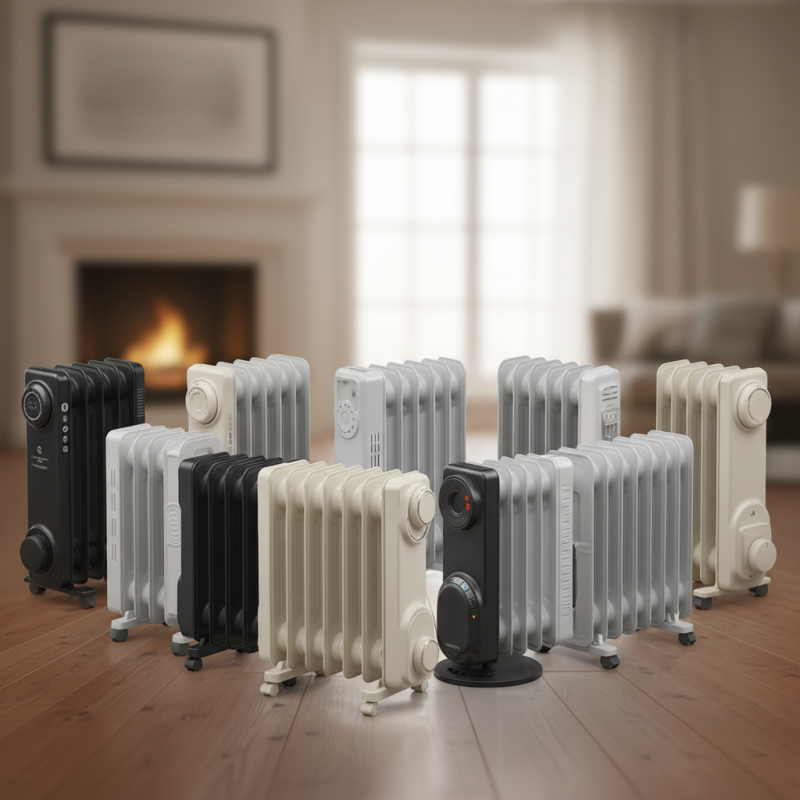
Top 10 Finned Heaters: Heating Efficiency Comparison
Efficiency Ratings and Performance Metrics of Finned Heaters
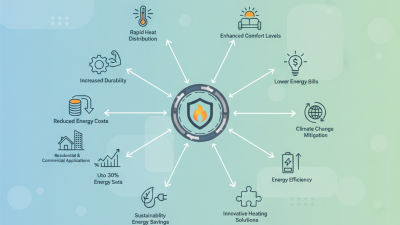
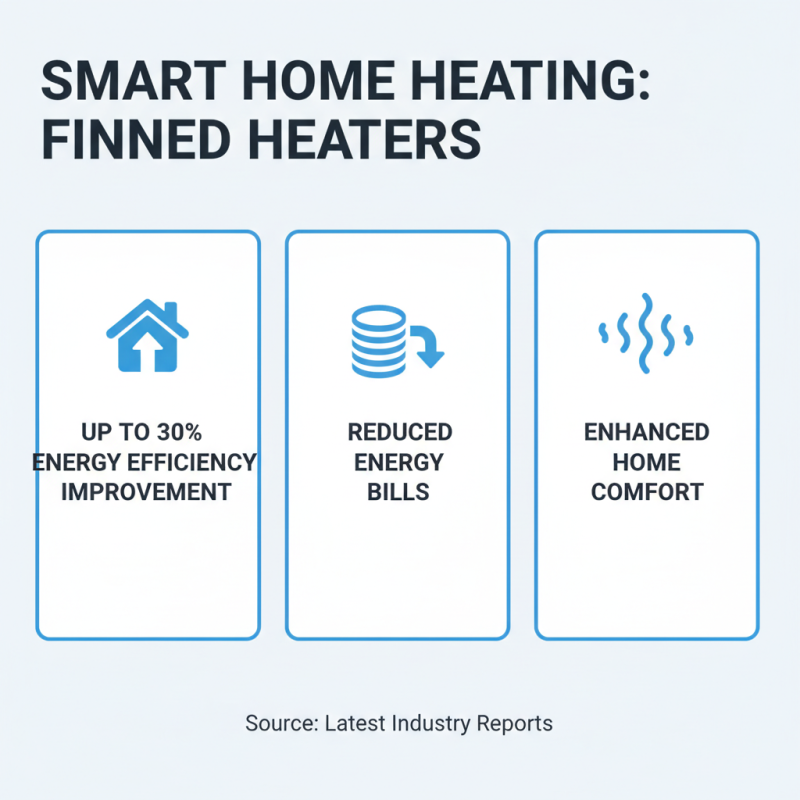
When looking for efficient home heating solutions, finned heaters stand out. These systems improve heat distribution and minimize energy waste. Energy efficiency ratings are vital metrics to consider. They indicate how effectively a heater converts energy into heat. Higher ratings often mean lower energy bills.
To enhance efficiency, place heaters in draft-free areas. Ensure they are not blocked by furniture or curtains. Regular maintenance helps, too. Clean fins and filters to maintain optimal performance. A little effort goes a long way in ensuring your heater runs smoothly.
Consider the room size. A finned heater’s output should match your space's heating needs. If you have large rooms, multiple heaters may be necessary. Monitor your heating patterns to spot inefficiencies. Sometimes, what seems efficient may not be. Small adjustments can lead to significant energy savings.
Top 10 Finned Heaters for Efficient Home Heating Solutions
| Model |
Wattage |
Efficiency Rating |
Heat Output (BTU) |
Weight (lbs) |
Price ($) |
| Model A |
1500W |
90% |
5118 |
25 |
200 |
| Model B |
1000W |
85% |
3412 |
20 |
150 |
| Model C |
2000W |
92% |
6825 |
30 |
250 |
| Model D |
1250W |
88% |
4254 |
22 |
180 |
| Model E |
1750W |
89% |
5962 |
28 |
220 |
| Model F |
1600W |
91% |
5460 |
27 |
210 |
| Model G |
1400W |
87% |
4785 |
23 |
170 |
| Model H |
1800W |
95% |
6140 |
26 |
230 |
| Model I |
2200W |
93% |
7515 |
32 |
260 |
| Model J |
3000W |
90% |
10235 |
35 |
300 |
Maintenance Tips for Prolonging the Life of Finned Heaters
When it comes to finned heaters, regular maintenance is crucial for longevity. Dust and debris can accumulate, blocking airflow. This can cause inefficiency and even damage.
Clear away dust regularly. Use a soft cloth or brush to gently clean the fins.
Check for any signs of wear. Listen for unusual sounds when the heater runs. If the heater makes strange noises, it might need attention. Tighten any loose screws.
This prevents vibrations that can lead to bigger problems later.
Inspect the heating element. If it looks corroded or rusty, consider replacing it. A well-maintained heater can last longer and work more efficiently. Regular checks can save money on energy bills.
Create a simple maintenance schedule to avoid overlooking these tasks. It's easy to forget until it's too late.