Top 10 Benefits of Infrared Panel Heaters for Efficient Heating
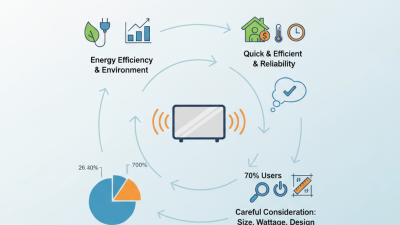
In recent years, the popularity of Infrared Panel Heaters has surged. These devices not only provide comfort but also enhance energy efficiency. John Smith, a leading expert in heating technology, states, “Infrared Panel Heaters are a game-changer for energy-conscious homes.” His words capture the growing recognition of these heaters' advantages.
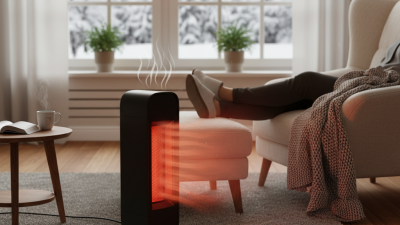
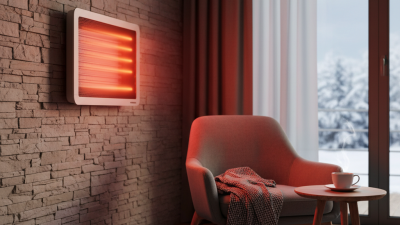
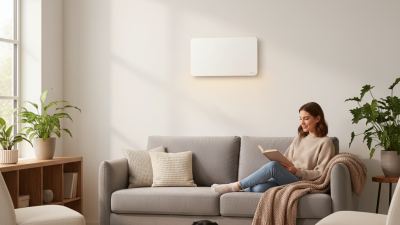
Infrared Panel Heaters work by directly warming objects, rather than just heating the air. This method creates a cozy environment while significantly reducing energy consumption. Users often report rapid warmth, allowing for quicker comfort during cold months. Unlike traditional heaters, these panels can be mounted on walls or ceilings, saving space.
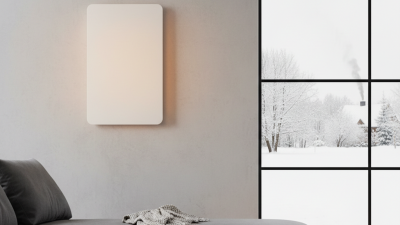
Beyond functionality, aesthetics matter. Infrared Panel Heaters come in various designs, blending seamlessly with home decor. However, potential buyers should consider efficiency ratings and installation requirements. There may be initial costs that some find daunting. When evaluating options, it's crucial to weigh the long-term savings against upfront expenses. Balancing comfort, style, and cost is essential for effective home heating solutions.
Benefits of Infrared Panel Heaters for Energy Efficiency
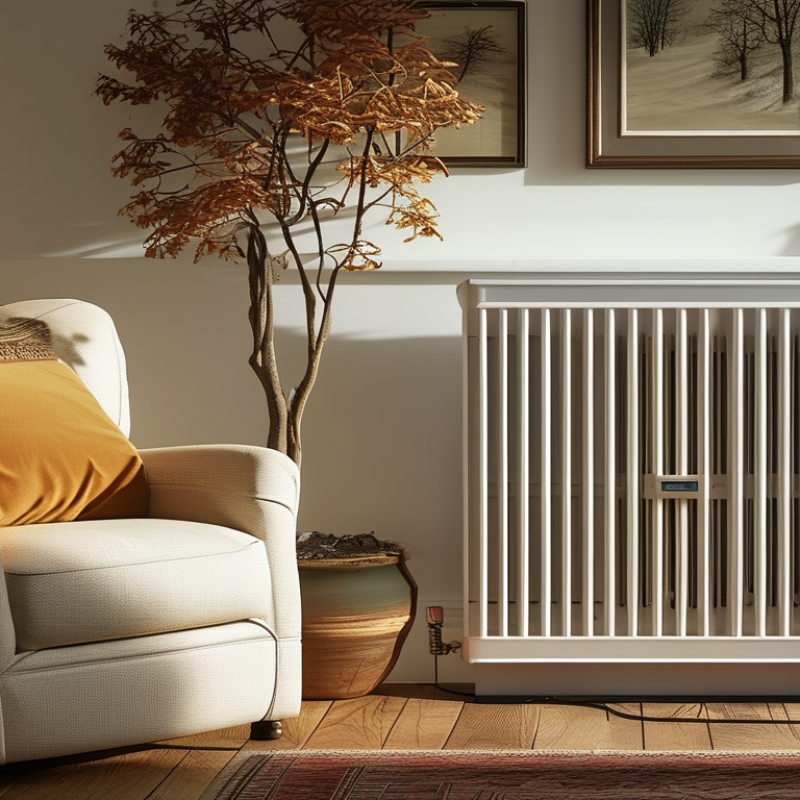
Infrared panel heaters are increasingly recognized for their energy efficiency. They use infrared technology to directly heat objects and people rather than the air. This results in consistent warmth, as the heat penetrates surfaces and creates a comfortable environment. Unlike traditional heaters, they do not waste energy heating empty spaces.
These heaters can significantly reduce energy consumption. Homeowners report lower utility bills after installing infrared systems. The panels can be placed on walls or ceilings, maximizing space. They are also lightweight and easy to install, providing flexibility in placement. Many users appreciate the fast heat-up times, often feeling comfortable within minutes.
There are considerations when choosing infrared heating. Some users find the initial installation cost higher than traditional options. However, savings on energy bills often offset this investment. It’s essential to evaluate the heating needs and space before making a decision. Understanding these factors will lead to more informed choices for efficient heating.
How Infrared Panel Heaters Improve Indoor Air Quality
Infrared panel heaters are revolutionizing indoor air quality in homes and offices. Unlike traditional heaters, which circulate dust and allergens, infrared panels heat objects directly. This creates a more comfortable environment without disturbing the air. As a result, the air remains cleaner and fresher, promoting better health for occupants.
Installing infrared heaters can significantly reduce the proliferation of allergens. Since they don't blow air, fewer dust particles become airborne. This can be particularly beneficial for allergy sufferers. Users may notice a marked improvement in their respiratory health and overall well-being.
Tip: Regularly clean surfaces in the room to minimize dust. Pairing good heating with a clean space amplifies the benefits.
Another advantage of infrared systems is their energy efficiency. They require less energy to maintain warmth, resulting in lower utility bills. However, it’s essential to ensure proper installation for optimal results. DIY installations might overlook crucial factors, leading to inefficiencies.
Tip: Consult with professionals to assess your heating needs. Proper guidance will help avoid common pitfalls, ensuring a cozy and healthy environment.
Cost-Effectiveness of Infrared Heating Solutions
Infrared panel heaters present a compelling cost-effective heating solution. According to the U.S. Department of Energy, infrared heaters can be up to 60% more efficient than traditional heating systems. This efficiency translates into lower energy bills, an appealing factor for both homeowners and businesses alike. Many reports indicate that families can save between 30% and 50% on heating costs annually. This is impressive, considering rising energy prices and the need for sustainable solutions.
The installation of infrared heaters requires a smaller upfront investment compared to conventional systems. They are lightweight and often easier to install. Many users report a reduction in their heating bills soon after switching to infrared heating. In fact, some studies suggest that infrared systems pay for themselves within two to three years through energy savings. While this technology is promising, it is vital to select the right product and ensure proper installation to maximize benefits.
Moreover, infrared heaters can provide instantaneous warmth. They heat objects and people directly, not just the air, which makes them efficient in space usage. However, it is important to consider insulation and room design to optimize effectiveness. This type of heating may not be suitable for every environment, and some users may experience uneven heating if not properly placed. Evaluating these aspects is crucial for achieving the best results.
Comparison of Infrared Panel Heaters with Traditional Heating Methods
Infrared panel heaters provide a modern heating solution that stands out compared to traditional methods. Unlike conventional heaters that warm the air, infrared heaters directly heat objects and people in the room. This makes them more efficient as they deliver warmth quickly. The comfort level is often higher since the body feels warmth almost instantly. While traditional systems require time to reach a comfortable temperature, infrared panels eliminate this waiting period.
Another notable difference lies in energy consumption. Infrared heaters generally use less electricity, translating to lower utility bills. In contrast, traditional heating systems can waste energy by overheating the air before warming the space. This inefficiency may cause rooms to feel cold in drafty corners, while infrared panels distribute heat uniformly. This targeted approach can be particularly beneficial in homes with high ceilings or large open spaces.
Additionally, infrared heaters tend to have a more straightforward installation process. They can be mounted on walls or ceilings without complex ductwork or radiators. This flexibility makes them suitable for various settings, including residential and commercial spaces. Yet, the initial investment can be a concern for some. Exploring the long-term benefits and savings may provide a clearer picture of their value. While they promise efficient heating, users may need time to adjust to the new heating experience.
The Environmental Impact of Using Infrared Heating Technology
Infrared heating technology has emerged as a sustainable solution in modern heating systems. A significant benefit is its reduced carbon footprint. Studies show that infrared heaters consume less energy compared to traditional systems, leading to lower greenhouse gas emissions. According to the U.S. Department of Energy, energy-efficient heating options can cut energy use by up to 30%, resulting in substantial savings over time.
Furthermore, infrared heaters operate by directly warming objects and people rather than the air. This method creates a comfortable indoor climate with less energy wastage. The National Renewable Energy Laboratory states that infrared heating can be up to 50% more efficient in converting energy to heat. However, while the technology offers many advantages, one factor still needs consideration: the initial cost of installation can be higher compared to conventional systems.
When assessing the environmental impact, it's worth noting that infrared panel heaters have a longer lifespan, generally lasting over 20 years. This longevity reduces the frequency of replacements, contributing to less waste. Challenges remain, including misconceptions about efficiency and performance, which can hinder adoption. Continuous education on energy-saving technologies is essential for homeowners and businesses to harness the full potential of infrared heating.