Top 7 Tips for Choosing the Best Infrared Heater?
Choosing the right Infrared Heater can be challenging. Expert Jessica Armstrong, an energy efficiency consultant, states, “Not all heaters are created equal.” Her insight emphasizes the importance of understanding your specific needs before making a purchase.
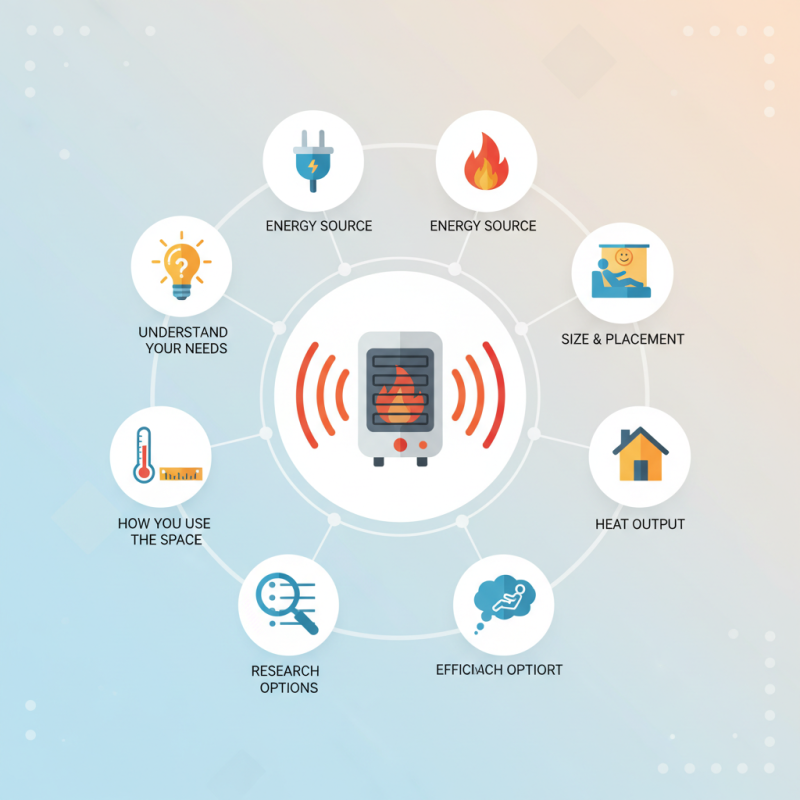
Infrared heaters come in various styles, sizes, and features. They are popular for their efficiency and quick heating ability. However, not every model will work perfectly for your space. You must consider factors like energy source, size, and heat output.
While many people rave about their Infrared Heater's warmth, others report dissatisfaction. Some may find they don’t heat their room as expected. It's crucial to research each option. Reflect on how you use your space. This can greatly influence your choice in an Infrared Heater.
Key Features to Consider in an Infrared Heater for Optimal Efficiency
When selecting an infrared heater, several key features impact its effectiveness and efficiency. One primary consideration is the power output, which is typically measured in watts. Reports indicate that infrared heaters ranging from 750 to 1500 watts can adequately heat small to medium spaces. Higher wattage models often heat larger areas more quickly; however, they may lead to increased energy consumption.
Another important feature is the heating element type. Carbon and quartz elements are common, with carbon units generally offering longer lifespans and more consistent heating. Research from industry studies shows that infrared heaters with carbon elements can operate up to 30% more efficiently than their quartz counterparts.
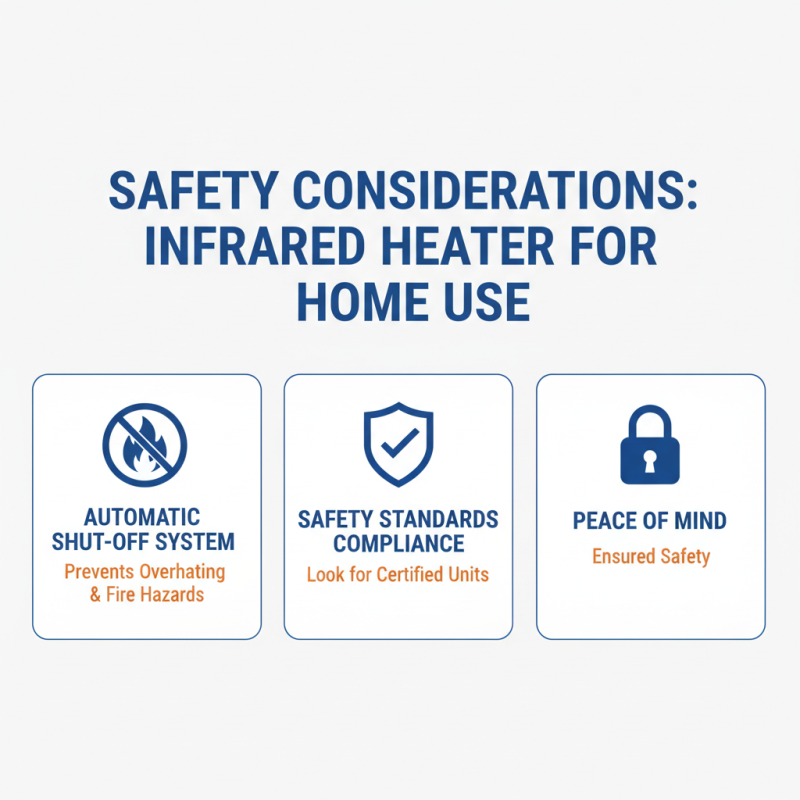
Additionally, consider the heater's safety features. Overheat protection and tip-over switches enhance safety, making the unit more reliable for continuous use. It’s crucial to pay attention to the heater's design and portability. A bulky heater may occupy unnecessary space, while a lightweight model may be more convenient for mobility. Reflecting on these features will guide you in making an informed decision tailored to your specific heating needs.
Top Features Influencing the Efficiency of Infrared Heaters
Understanding Different Types of Infrared Heaters and Their Uses
When choosing an infrared heater, it's essential to understand the different types available. There are three main categories: quartz, ceramic, and carbon. Each type offers unique benefits and is suitable for specific needs. Quartz heaters heat up quickly and are excellent for instant warmth. Ceramic heaters, on the other hand, retain heat longer, making them efficient for prolonged use. Carbon heaters provide a more even distribution of warmth, which can be ideal for larger spaces.
Understanding the intended use of each heater is crucial. If you need quick warmth for a small area, a quartz heater could be the best choice. For a living room or a larger space, consider a carbon infrared heater. They might be more expensive, but they can save energy over time. It's also worth noting that not all infrared heaters are created equal. Some may lack safety features or certifications, which could lead to risks. Balancing cost and quality is vital. Keep in mind that personal preferences and environmental factors play a large role in finding the perfect fit.
Top 7 Tips for Choosing the Best Infrared Heater
| Tip |
Description |
Type of Infrared Heater |
Ideal Use |
| 1. Determine Your Heating Needs |
Assess the area size and insulation to choose the appropriate heater wattage. |
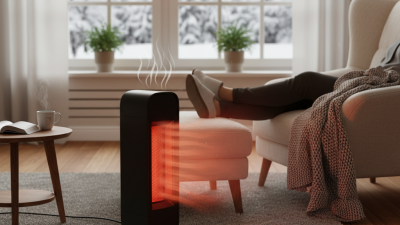
Portable Infrared Heater |
Small to medium rooms. |
| 2. Consider Safety Features |
Look for features such as overheat protection and tip-over switches. |
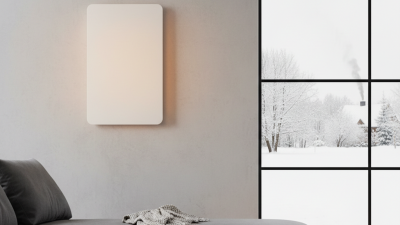
Wall-mounted Heater |
Living spaces where safety is a concern. |
| 3. Evaluate Energy Efficiency |
Choose heaters with energy-saving modes or timers to reduce energy costs. |
Quartz Infrared Heater |
Areas requiring continuous heat. |
| 4. Check the Heater's Coverage Area |
Ensure the heater can effectively heat your desired space based on its design and wattage. |
Radiant Heater |
Open spaces or outdoor areas. |
| 5. Look for Additional Features |
Consider models with remote controls, adjustable thermostats, or built-in humidifiers. |
Ceramic Infrared Heater |
Indoor use with comfort settings. |
| 6. Assess the Design and Portability |
Aesthetic design and light weight for easy movement, if necessary. |
Freestanding Infrared Heater |
Flexible heating solutions throughout the home. |
| 7. Read Customer Reviews |
Research user experiences to inform potential purchase and reliability. |
Natural Gas Infrared Heater |
Efficient heating in larger environments. |
Evaluating Energy Consumption Ratings for Cost-Effective Heating Solutions
When choosing an infrared heater, energy consumption ratings are key. These ratings inform you about the efficiency of the heater. According to a report from the U.S. Department of Energy, infrared heaters can be up to 50% more efficient than traditional heating systems. This means lower energy bills for you.
Consider the wattage of the heater. A higher wattage often indicates a more powerful unit. However, it’s essential to understand your room size. An overpowered heater wastes energy. A report by the Energy Efficiency Council suggests that optimal heating efficiency occurs when the heater's output matches room dimensions.
Look into the heater's features too. Some models offer programmable thermostats. These can adjust heating based on your schedule, which can save energy. A study from the Lawrence Berkeley National Laboratory shows that programmable features can reduce energy consumption by up to 15%. Yet, not all features are beneficial for everyone. Evaluate what works best for your needs.
Customer Reviews and Ratings: Assessing Performance of Infrared Heaters
When considering an infrared heater, customer reviews and ratings can be invaluable. They provide real-life experiences from those who have used the product. Many reviewers emphasize warmth and comfort. However, some mention uneven heating in larger rooms. This aspect is critical to consider if you have a spacious area to heat.
Ratings often reflect performance aspects like energy efficiency. Some heaters consume more electricity than others, leading to higher bills. Customers usually share their monthly costs, which can help potential buyers gauge efficiency. Yet, it can be misleading. A single review might not capture the entire picture.
Aside from performance, design affects customer satisfaction. Aesthetic appeal can influence a buyer's decision significantly. Some prefer sleek designs that blend with room decor, while others prioritize portability. Yet, not all attractive heaters perform well. Reviews reveal this contradiction, reminding us to assess both form and function carefully.