How to Select a Finned Tube Heat Exchanger for Your Needs?
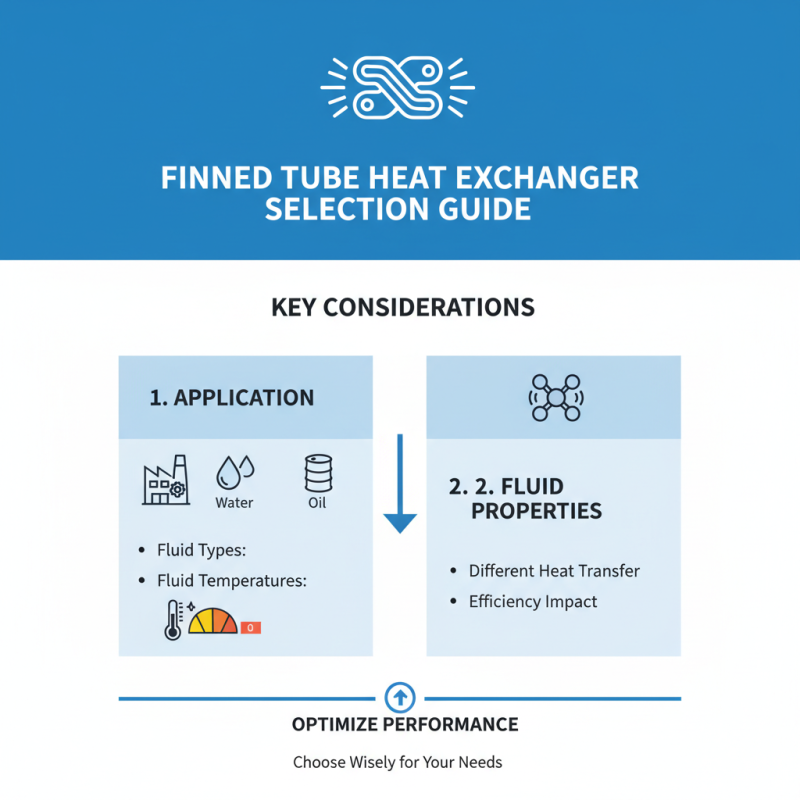
Choosing the right Finned Tube Heat Exchanger can significantly impact your system's efficiency. These heat exchangers use fins to enhance heat transfer, making them ideal for various applications. However, selecting one is not always straightforward.
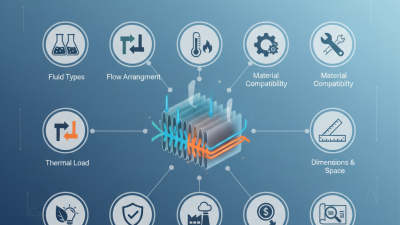
Consider your specific needs before deciding. Factors like fluid type, temperature requirements, and pressure conditions matter. Each application can vary widely, which complicates the choice. Sometimes, people overlook the importance of material selection. Carbon steel or stainless steel may be appropriate in different environments.
Moreover, size and space constraints can alter your decision. It’s essential to balance performance and physical dimensions. Remember, a poorly chosen heat exchanger can lead to inefficiencies. Thus, pay attention to every detail. It’s not just about picking the first one available. Taking time to analyze your requirements will yield better results, ultimately enhancing your system’s performance.
Understanding Finned Tube Heat Exchangers and Their Applications
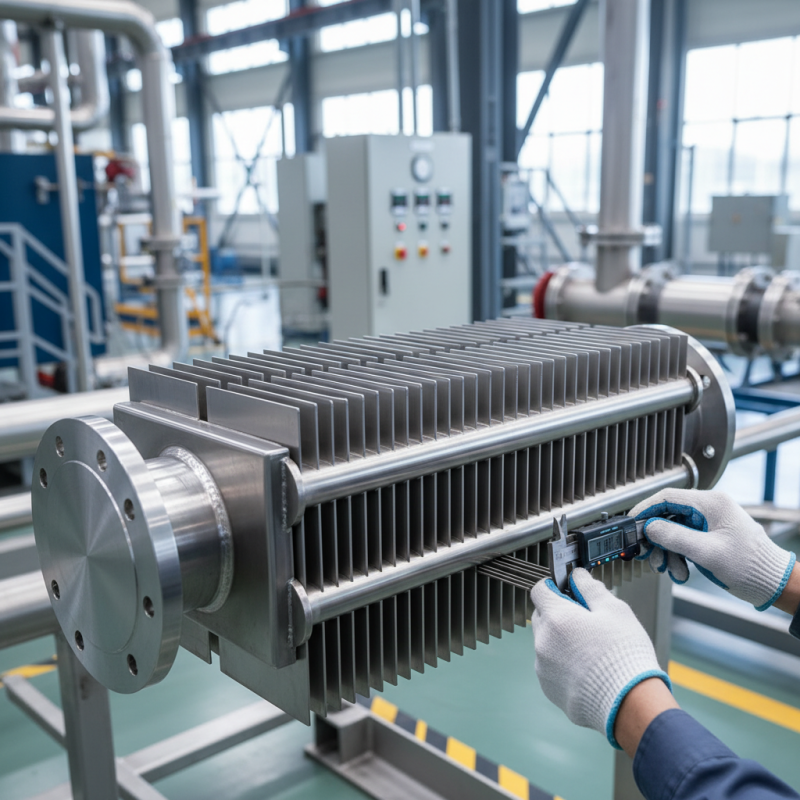
Finned tube heat exchangers are essential in a variety of industries, including HVAC, chemical processing, and power generation. Their design maximizes surface area, which enhances heat transfer efficiency. According to a report by the International Energy Agency (IEA), optimizing heat exchanger technology can improve energy efficiency by 15% in industrial applications.
These systems serve multiple applications. For instance, they are used in cooling towers and condensers. Their ability to operate with different fluids makes them versatile. However, selecting the right type of exchanger can be challenging. Factors like fluid characteristics, temperature ranges, and pressure drops must be considered. A mismatched design can lead to inefficiencies, costing companies significantly over time.
Additionally, maintenance is often overlooked. Despite their robust design, finned tube heat exchangers can suffer from fouling over time, which affects performance. Industry studies indicate that unaddressed fouling can reduce efficiency by up to 30%. Regular inspections and cleaning are crucial, but many facilities neglect this. Hence, understanding the operational needs and potential issues is vital for optimizing performance.
How to Select a Finned Tube Heat Exchanger for Your Needs?
| Dimension |
Value |
Application |
| Heat Transfer Area |
50 m² |
Industrial Cooling Systems |
| Tube Diameter |
25 mm |
HVAC Applications |
| Fins per Meter |
12 Fins/m |
Heat Recovery Systems |
| Maximum Pressure |
10 bar |
Power Generation |
| Fluid Type |
Water/Glycol Mix |
Chilled Water Systems |
| Material |
Copper |
Marine Applications |
Evaluating Fluid Properties for Optimal Heat Exchanger Performance
When selecting a finned tube heat exchanger, understanding fluid properties is crucial. These properties significantly impact performance and efficiency. For instance, knowing the viscosity of your fluid helps determine flow rates. Higher viscosity means more resistance, potentially reducing heat transfer rates.
**Tips:** Consider temperature fluctuations. Changes can alter fluid behavior, affecting your system's efficiency.
It's essential to evaluate thermal conductivity as well. Fluids with higher conductivity will transfer heat more effectively. However, be aware that the flow rate should match the design of the heat exchanger. Mismatched rates can lead to inadequate heat exchange and increased energy costs.
**Tips:** Use simulation tools to model fluid behavior under different conditions. This helps in selecting the right exchanger type.
Don't overlook the impact of density and specific heat. These properties determine how much energy can be absorbed or released. If these are not considered, the system may not perform optimally, resulting in inefficiencies. Always review your fluid properties before finalizing your heat exchanger choice.
Comparing Design Options and Material Choices for Finned Tube Units
Selecting the right finned tube heat exchanger requires careful consideration of design options and material choices. Finned tubes enhance heat transfer efficiency significantly. According to a recent industry report, the effectiveness of finned tube designs can improve thermal transfer rates by up to 30%. This makes them ideal for applications requiring high-performance heat exchange solutions.
When choosing materials, factors like corrosion resistance and thermal conductivity are crucial. Common materials include copper, aluminum, and carbon steel. For example, copper finned tubes offer excellent thermal conductivity, while aluminum is lightweight and resistant to corrosion.
However, aluminum's lower durability can be a concern in harsh environments. A report from the Thermal Exchange Society indicates that up to 15% of heat exchangers fail due to material selection issues.
It is essential to match the heat exchanger material with the operating conditions. High temperatures may require more robust materials, while lower temperatures can allow for lighter options. The design must also consider maintenance needs. For example, complex designs can hinder cleaning. Regular maintenance is necessary. Neglect may lead to efficiency loss over time. Such details can affect overall performance and longevity. Each choice in design and material should reflect specific operational needs.
Maintenance and Operational Considerations for Finned Tube Heat Exchangers
When it comes to finned tube heat exchangers, maintenance is crucial. These systems operate in various conditions, making regular checks essential. According to recent industry assessments, improper maintenance can reduce efficiency by up to 30%. Issues like corrosion and fouling can drastically affect heat transfer rates. Regular monitoring can help identify these issues early.
Operational considerations also play a significant role. The design of the finned tubes affects fluid dynamics and heat transfer. It is important to choose a configuration that suits your specific application. A study showed that users often underestimate the importance of flow rates and pressures. They tend to overlook how variations can impact performance, leading to operational inefficiencies. Furthermore, frequent inspections can aid in optimizing the system and extending its lifespan.
Additionally, operator training can enhance maintenance efforts. Many organizations fail to provide adequate training on heat exchanger operations. This lack of knowledge can lead to improper handling and increased downtime. It's clear that enhancing both maintenance practices and operational understanding can significantly improve the longevity and efficiency of finned tube heat exchangers.