How to Optimize Your Radiant Process Heater for Maximum Efficiency
In the quest for energy efficiency and sustainable industrial practices, optimizing the performance of a Radiant Process Heater has become a critical focus for manufacturers and engineers alike. As industry expert Dr. John Miller once stated, “Maximizing the efficiency of a Radiant Process Heater not only enhances productivity but also significantly reduces operational costs.” This underscores the need for a strategic approach to refining these systems for peak performance.
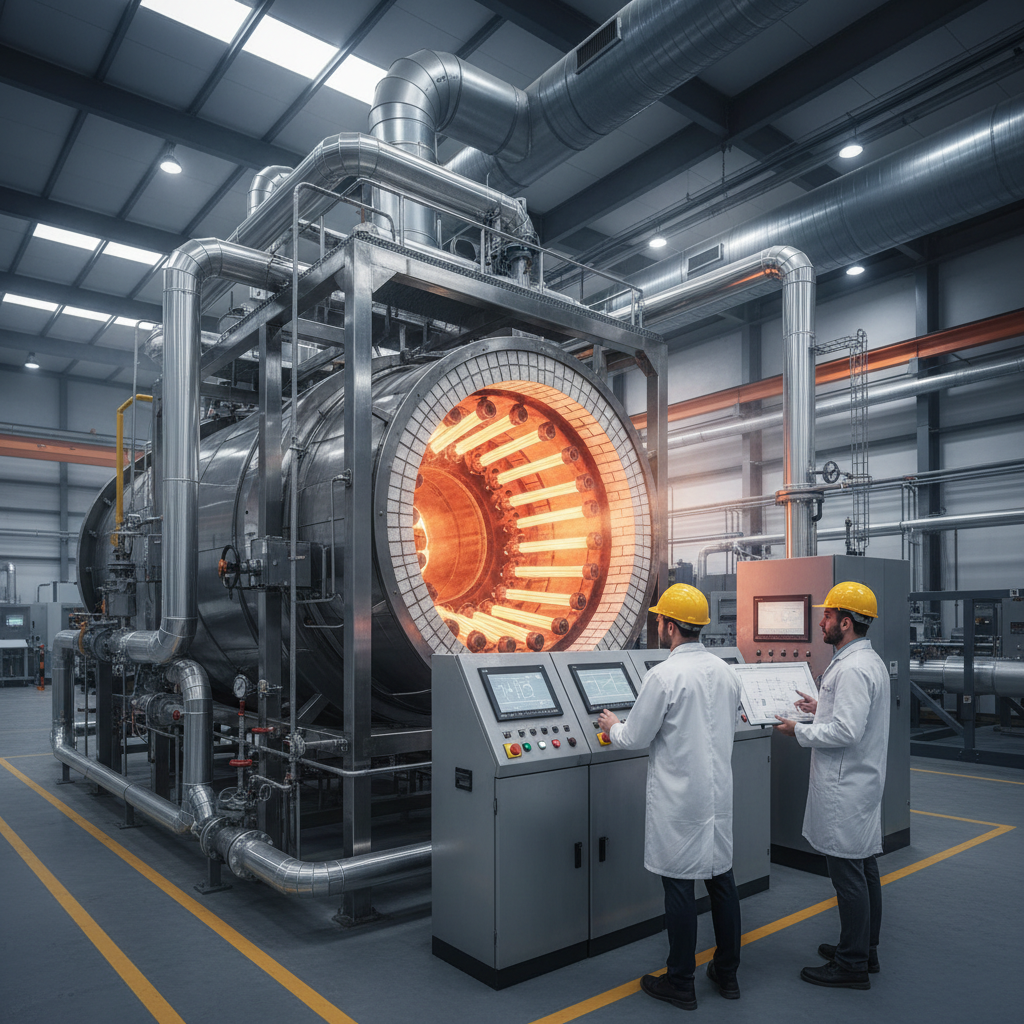
To achieve the highest levels of efficiency, it is essential to understand the various factors influencing the operation of a Radiant Process Heater, including design specifications, maintenance routines, and operational parameters. By delving into best practices for optimization, businesses can unlock the potential for lower energy consumption and improved thermal control. In this guide, we will explore actionable strategies aimed at elevating the functionality and efficiency of Radiant Process Heaters, ultimately leading to sustainable industrial advancements.
Understanding the Basics of Radiant Process Heaters for Enhanced Efficiency
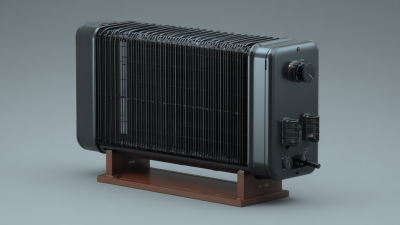
Understanding the basics of radiant process heaters is essential for optimizing their efficiency. Radiant heaters operate by directly transferring heat to objects and surfaces in a room rather than warming the air. This method of heating can lead to significant energy savings, especially in industrial settings where heating efficiency is crucial. To maximize this efficiency, it’s important to consider factors such as proper insulation and placement. Insulation plays a key role in reducing heat loss and maintaining consistent temperatures, allowing radiant heaters to operate more effectively.
Ensuring that your workspace is well-insulated can significantly improve the performance of your radiant process heater. Effective insulation minimizes the resistance to heat flow, enabling the heater to maintain desired temperatures with less energy consumption. Additionally, analyzing the layout of the heating system and making adjustments can enhance efficiency. By directing heat to areas where it is most needed and avoiding unnecessary energy expenditure, businesses can achieve optimal performance from their radiant heaters, ultimately leading to reduced costs and a more sustainable operation.
Optimization of Radiant Process Heaters Efficiency
Identifying Key Performance Metrics to Monitor in Your Heating System
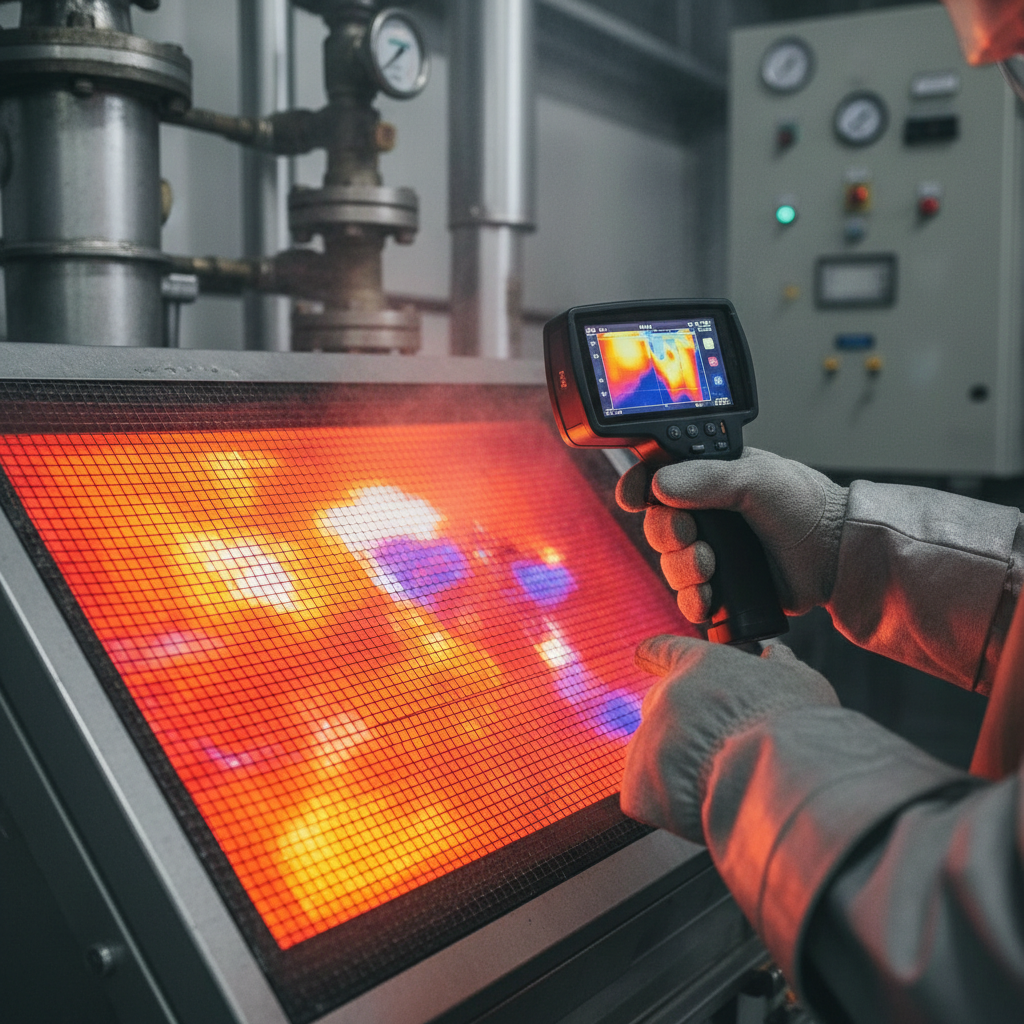
When optimizing a radiant process heater for maximum efficiency, monitoring key performance metrics is crucial. One significant metric to track is the temperature consistency across the heating surface. Fluctuations in temperature can indicate inefficiencies in heat distribution and may lead to uneven heating, thereby wasting energy. Using infrared thermometers or thermal imaging can help identify hot and cold spots that need addressing, ensuring that the system operates uniformly.
Another vital performance indicator is the energy consumption relative to the output. By measuring the power input and correlating it with the heat produced, operators can assess the efficiency of the heater. Implementing smart meter technology can facilitate real-time monitoring, allowing for immediate adjustments to operate within optimal parameters. Additionally, monitoring the exhaust gases, particularly CO and CO2 levels, can provide insights into combustion efficiency and the overall health of the heater system, leading to better maintenance decisions and reduced energy costs.
Implementing Regular Maintenance Practices to Maximize Heater Efficiency
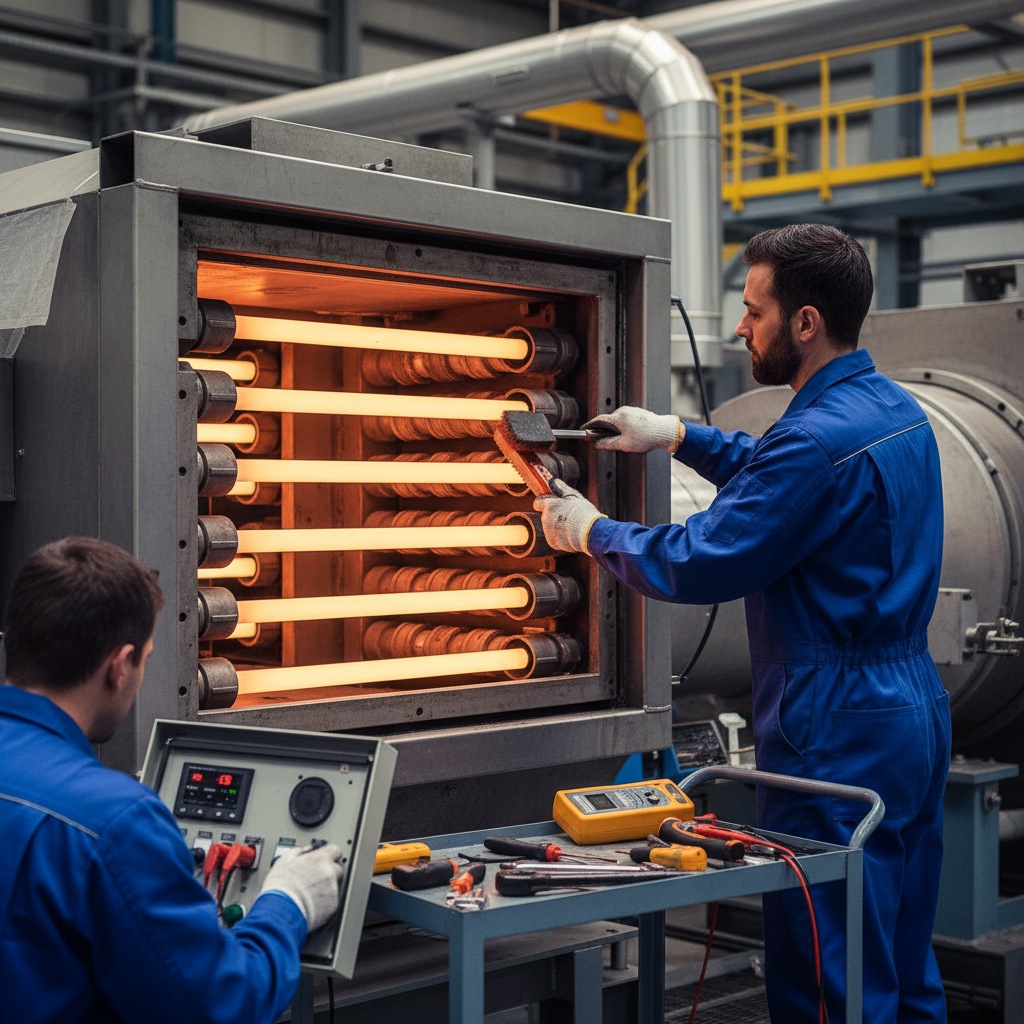
Implementing regular maintenance practices is crucial for maximizing the efficiency of radiant process heaters. According to the U.S. Department of Energy, a well-maintained heating system can operate at about 95% efficiency, significantly higher than systems that are not regularly serviced. Routine checks, including cleaning and calibration of temperature controls, ensure that heaters function optimally, reducing energy consumption and extending the lifespan of the equipment.
Additionally, the efficiency gains realized through maintenance are often quantifiable. A study from the National Renewable Energy Laboratory found that neglecting maintenance can lead to a 10-20% decrease in efficiency due to factors like fouling and mechanical wear. Regular inspections, typically recommended on a quarterly basis, allow for the early identification of issues such as leaks or corrosion, preventing costly downtime and repairs. By investing in a consistent maintenance schedule, industries can not only optimize their heating systems but also achieve significant cost savings and environmental benefits over time.
Adopting Advanced Technologies for Improved Energy Management
The adoption of advanced technologies is crucial for optimizing radiant process heaters and enhancing energy management. One of the pivotal innovations in this area is the integration of smart sensors and IoT (Internet of Things) devices, which provide real-time monitoring and data analytics. These technologies allow operators to track performance parameters such as temperature, pressure, and flow rates with precision. By analyzing this data, facilities can identify inefficiencies and fine-tune their heating processes, significantly reducing energy consumption while maintaining output quality.
Another exciting advancement is the implementation of predictive maintenance techniques powered by artificial intelligence. By utilizing machine learning algorithms, organizations can anticipate equipment failures before they occur, optimizing maintenance schedules and reducing downtime. This proactive approach not only leads to an increase in the overall reliability of radiant process heaters but also contributes to energy conservation by ensuring that the equipment operates under ideal conditions. Embracing these advanced technologies is essential for companies seeking to enhance energy efficiency and achieve sustainable operations in their heating processes.
Evaluating and Upgrading Insulation Practices for Optimal Heat Retention
Efficient insulation practices are crucial for optimizing the performance of radiant process heaters. Insulation serves as a barrier against heat loss, ensuring that the heat generated by the heater is retained within the system rather than dissipating into the environment. One of the primary factors to consider when evaluating insulation is the material itself.
High-quality insulating materials, such as ceramic fiber or mineral wool, can significantly reduce thermal conductivity, leading to lower energy consumption and enhanced heater efficiency.
Moreover, the installation of insulation must be meticulously executed to prevent gaps or air leaks that could compromise heat retention. Regular inspections are essential; over time, insulation can degrade or become damaged. Upgrading insulation practices may involve replacing old materials, enhancing the sealing around joints, and ensuring that all exposed surfaces are adequately covered. By focusing on these aspects, facilities can achieve optimal heat retention, thereby maximizing the efficiency of their radiant process heaters and reducing operational costs.