Top Benefits of Infrared Medium Wave Panel Heater for Efficient Heating Solutions?
In recent years, the demand for energy-efficient heating solutions has grown significantly. Particularly, the Infrared Medium Wave Panel Heater stands out for its unique benefits. This innovative heating technology offers a range of advantages that many users appreciate.
One key feature is its ability to provide instant warmth. Unlike traditional heaters, it radiates heat directly to people and objects. This results in a comfortable environment almost immediately. Additionally, the Infrared Medium Wave Panel Heater operates quietly and efficiently, reducing noise pollution in your living or working spaces.
Moreover, it is vital to consider the long-term savings. While the initial investment might seem high, the energy efficiency can lead to lower utility bills. Of course, some users may still find the idea of infrared heating puzzling. It's necessary to reflect on how well this heater fits your specific needs. Evaluating its effectiveness in various settings can bring clarity to its advantages.
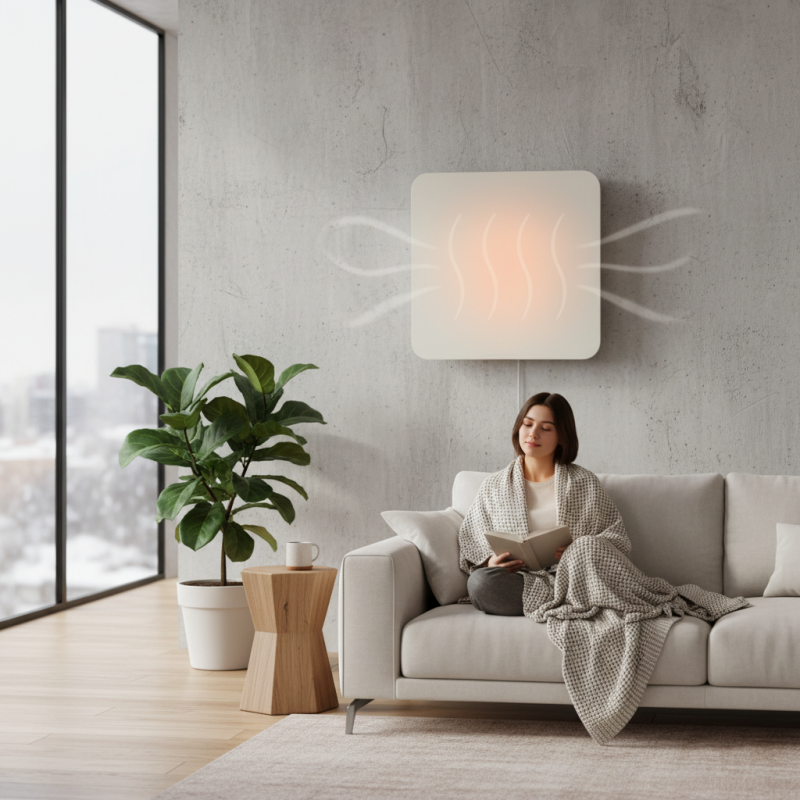
Key Features of Infrared Medium Wave Panel Heaters
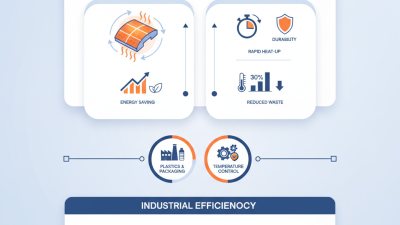
Infrared medium wave panel heaters have emerged as a significant solution for efficient heating. These devices operate by emitting infrared radiation, warming objects and individuals directly. This targeted heating approach can reduce energy consumption by up to 30%. Studies show that people feel comfortable at lower air temperatures because of the warmth emitted by these heaters.
One standout feature is their quick heat-up time. With some models heating a room in just minutes, users can save on unnecessary energy costs. Additionally, many infrared panel heaters are slim and lightweight. This makes installation easy and allows for flexible placement in various spaces, from homes to offices. However, some consumers find that positioning is critical for optimal performance.
In terms of durability, infrared medium wave heaters have a long lifespan, often exceeding 20 years. That said, regular maintenance is recommended to maximize efficiency. Reports indicate that poorly maintained units can lose up to 15% of their heating efficiency over time, highlighting the need for routine checks. While these heaters present many benefits, their effectiveness can depend on factors such as room insulation and layout. This variability calls for thoughtful consideration during the selection process.
Top Benefits of Infrared Medium Wave Panel Heater for Efficient Heating Solutions
Energy Efficiency of Infrared Medium Wave Heating Systems
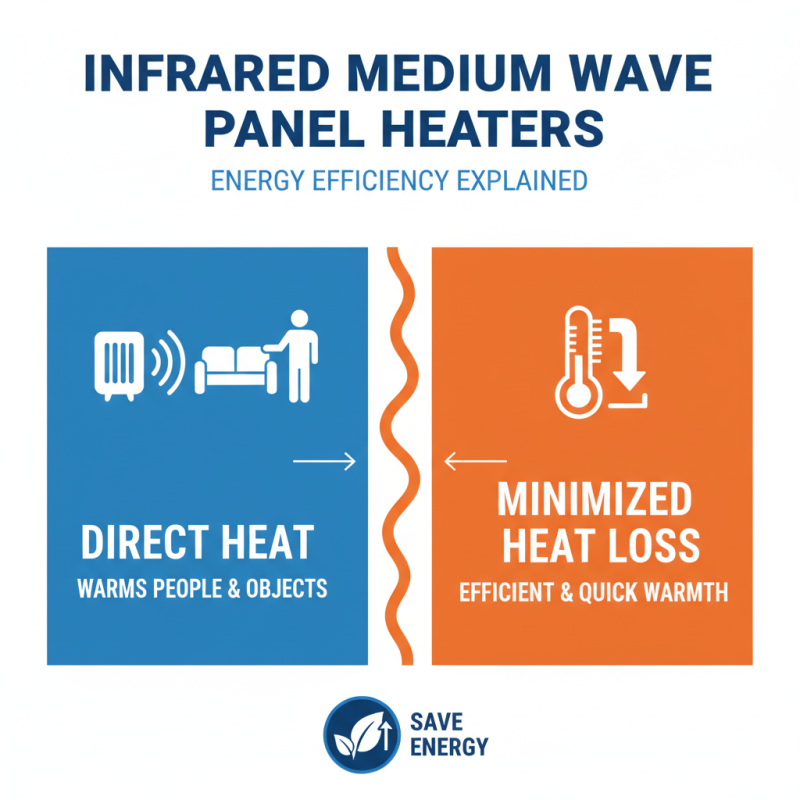
Infrared medium wave panel heaters offer notable energy efficiency for various heating needs. These heaters convert energy directly into heat. This method minimizes heat loss, making them efficient. They provide warmth without needing to heat the entire room. Instead, they warm objects and people directly.
Moreover, infrared heaters operate quietly. Their silent functioning is ideal for homes and offices. Many people appreciate how efficient they become when used in small or well-insulated spaces. However, they may not be as effective in vast areas. That can lead to some uneven heating.
Homeowners might also notice a different type of warmth. It feels gentle and comforting compared to traditional heating systems. But, the initial investment often raises questions. Is the energy savings worth it? Balancing upfront costs with long-term savings requires careful thought. Overall, the choice to switch to infrared heating should consider specific space needs and heating goals.
Health Benefits of Using Infrared Medium Wave Panel Heaters
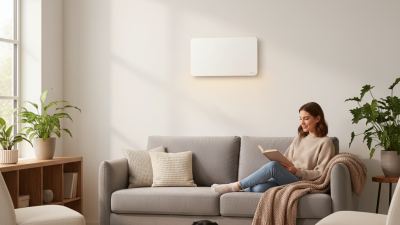
Infrared medium wave panel heaters offer various health benefits that can improve overall well-being. Unlike traditional heating methods, these heaters warm objects and people directly. This can lead to a more comfortable environment without excessively drying out the air. The soft, radiant heat penetrates deeply into your skin, promoting relaxation and easing muscle tension.
Using an infrared heater may help with respiratory issues. It doesn't circulate dust or allergens like conventional heaters can. This could be a crucial aspect for those with asthma or allergies. Natural healing properties of infrared heat may also enhance blood circulation, leading to increased oxygen delivery to muscles and organs.
However, it’s essential to consider individual comfort levels. Not everyone may appreciate the warmth provided by infrared heat. Personal preferences can vary significantly. It might take some time to adapt to the sensation of infrared warmth. People often find this type of heating either soothing or too intense. Hence, finding the right balance is key. Each environment is unique and requires a thoughtful approach to ensure optimal heating benefits.
Environmental Impact of Infrared Medium Wave Heating Solutions
Infrared medium wave heating solutions offer a unique approach to heating while minimizing environmental impact. These heaters emit infrared waves that directly heat objects, instead of warming the air. This results in reduced energy consumption and lower carbon emissions, aligning well with sustainability goals. These systems can effectively reduce the overall energy demand of a space.
Using infrared heating can diminish reliance on fossil fuels. As these heaters often run on electricity, they can be powered by renewable energy sources. The environmental footprint is further lessened by the direct heating method, reducing heat loss and improving overall efficiency. However, the production of electricity still carries environmental implications, especially if non-renewable sources are utilized.
Despite the advantages, there are challenges. Not all areas have easy access to renewable energy. This can lead to uneven adoption of these eco-friendly solutions. Additionally, some users may experience discomfort due to the focused heat distribution. This may call for adjustments in heating placement or preferences. The technology is promising, but its implementation requires careful consideration.
Top Benefits of Infrared Medium Wave Panel Heater for Efficient Heating Solutions
| Benefit |
Description |
Environmental Impact |
Energy Efficiency Rating |
| Quick Heating |
Provides instant heat within a short period of time. |
Low CO2 emissions due to rapid heating efficiency. |
A+ |
| Cost-Effective |
Reduces energy bills through lower electricity consumption. |
Less reliance on fossil fuels leads to reduced environmental strain. |
A+ |
| Health Benefits |
Minimizes dust circulation, providing a healthier living space. |
Lower particulate matter in the air aids in better air quality. |
A |
| Space-Saving Design |
Wall-mounted options save floor space and blend with decor. |
Contributes to optimized energy use by maintaining space organization. |
A |
| Low Maintenance |
Requires minimal upkeep compared to traditional heating systems. |
Less resource use for repairs, enhancing environmental sustainability. |
A+ |
Cost-Effectiveness of Infrared Medium Wave Panel Heating Systems
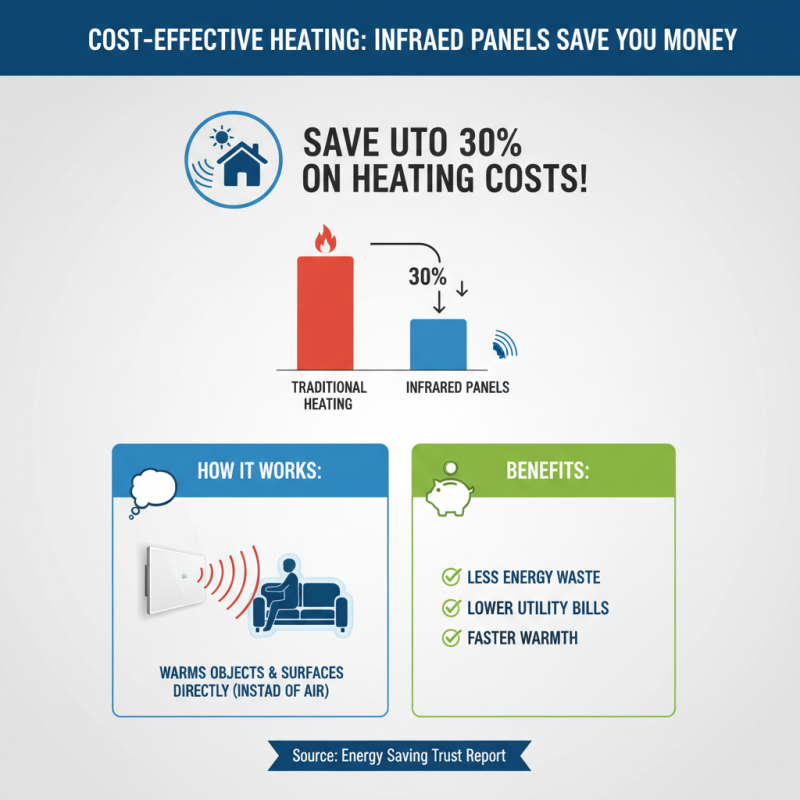
Infrared medium wave panel heaters are becoming popular for their cost-effectiveness. According to a report from the Energy Saving Trust, these systems can reduce heating costs by up to 30% compared to traditional methods. They operate efficiently by warming objects and surfaces directly, instead of heating the air in a room. This means less energy is wasted, leading to lower utility bills.
The initial investment in infrared panel heating can be higher than conventional options. However, the long-term savings often outweigh this initial expense. A study by the International Energy Agency indicates that infrared heaters have up to 90% efficiency in converting electricity to heat. They also have a lifespan of around 20 years, which reduces replacement costs over time.
Comfort is another key aspect. Infrared heaters provide a balanced warmth that many users find more pleasant than standard heating methods. Users, however, need to consider the installation requirements. Depending on the space, the layout may not be ideal for optimal heating, which can lead to inefficiencies. It’s essential to carefully evaluate your specific needs to ensure these systems deliver on their promises.