What is an Infrared Heater and How Does It Work?
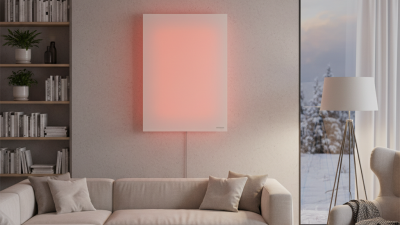
Infrared heaters are becoming increasingly popular for home heating. These devices use infrared radiation to warm objects and people directly, rather than heating the air. As John Smith, an expert in energy-efficient heating solutions, states, "Infrared heaters provide a unique comfort that traditional heaters can seldom match."
The principle is simple. An infrared heater emits radiant heat. It penetrates the skin, creating warmth almost instantly. This efficiency can lead to lower energy costs, as less energy is wasted. Many people find this technology appealing but may overlook its limitations.
While infrared heaters can effectively warm a space, they may not work for every situation. Some users report uneven heating or discomfort with direct heat exposure. Choosing the right type of infrared heater can be complex. Ultimately, it's essential to weigh the benefits and drawbacks before investing in this technology. Understanding how an infrared heater works can help users make informed decisions.
Understanding Infrared Heaters: Definition and Functionality
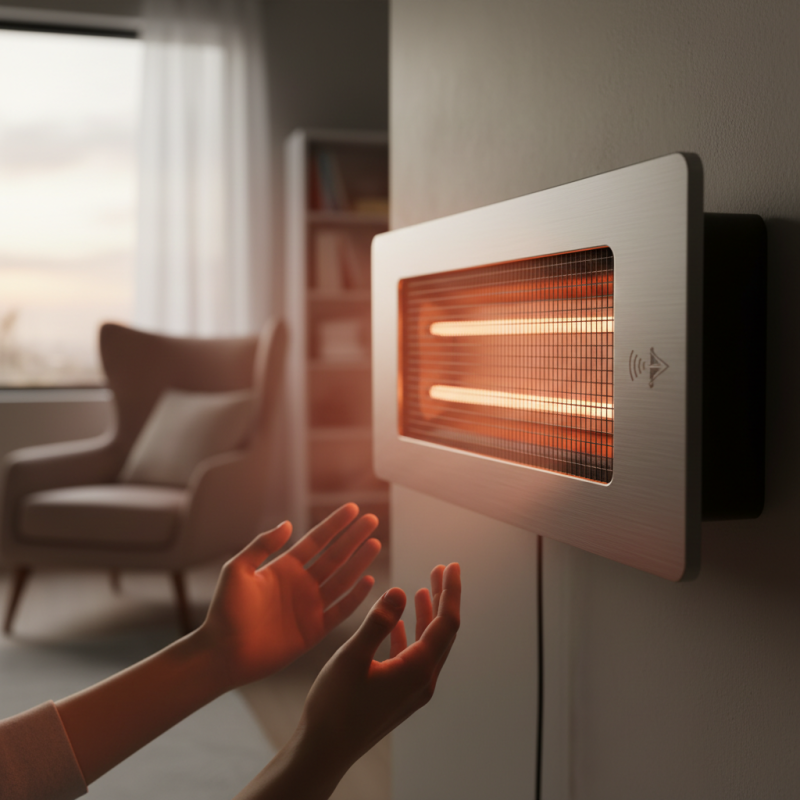
Infrared heaters use a unique method to generate heat. Unlike traditional heaters, they don’t warm the air. Instead, they directly heat objects and people in their line of sight. This is similar to how the sun warms the earth. The emitted infrared radiation creates a cozy environment without excessive energy loss.
These heaters consist of a heating element and reflectors. The heating element emits infrared rays, which travel through the air and transfer energy upon contact with surfaces. This results in a quicker warming effect. With infrared heating, one can often feel comfortable even when the ambient air temperature is lower.
However, there can be drawbacks. For instance, if objects obstruct the heater’s direct path, the warmth may not reach certain areas effectively. This might lead to uneven heating and discomfort. Additionally, users may need to position their seating strategically to maximize the benefits of infrared warmth. The simplicity of installation is appealing, yet proper placement of the heater is crucial.
The Science Behind Infrared Heating: How Energy Transfer Works
Infrared heating is a fascinating technology. It works by transferring energy directly to objects. This method is different from conventional heating, which warms the air. In infrared heaters, energy travels in the form of infrared radiation. When you stand in front of one, you feel warmth almost instantly.
The science behind this is rooted in energy transfer. Infrared waves are part of the electromagnetic spectrum. They can penetrate the skin and warm the body effectively. This process is often compared to the sun’s rays, which provide heat without needing heated air. However, it’s not just about comfort; efficiency plays a major role. In some cases, heaters may not heat evenly, leading to cold spots. That can be frustrating for users.
Moreover, the materials used in heaters affect how well they perform. Some heaters may not be durable or may take time to reach full heat. Users should be aware of maintenance issues that can arise. Despite these challenges, infrared heating remains a popular choice for many spaces due to its unique advantages. Understanding these dynamics can help make informed decisions.
Types of Infrared Heaters: Comparison of Models and Uses
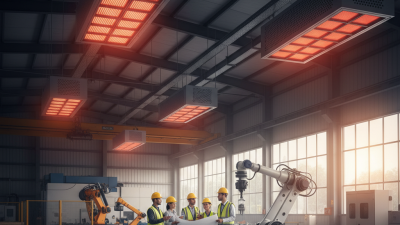
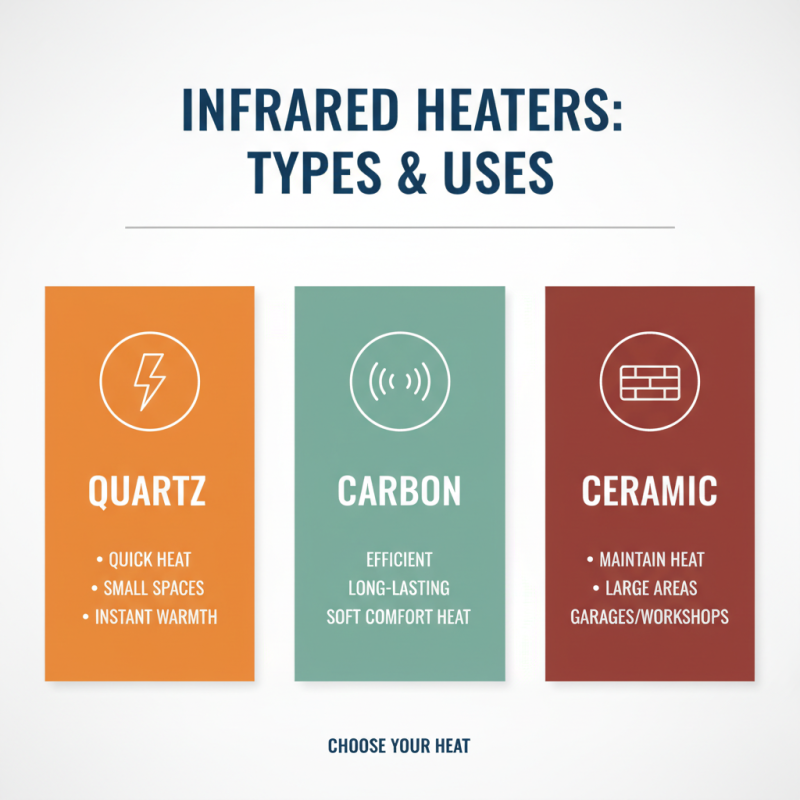
Infrared heaters come in various models, each suited for different applications. Broadly, these can be categorized into three types: quartz, carbon, and ceramic heaters. Quartz infrared heaters provide quick heat, suitable for small spaces. They heat objects directly and offer instant warmth. Carbon heaters are efficient and long-lasting. They emit a soft heat that many users prefer for their comfort. Ceramic infrared heaters are another option. They maintain heat longer, making them ideal for larger areas like garages or workshops.
When choosing an infrared heater, consider the space it will warm. For enclosed areas, quartz or carbon heaters can be effective. However, a larger space may require the steady warmth of ceramic heaters. According to industry reports, the efficiency of infrared heaters can reach up to 95%. This rate is significantly higher than traditional heating methods, which often lose heat during circulation.
Tips: Assess your needs before purchasing. Think about where you'll use the heater. Measure the room size to ensure adequate coverage. Even in a smaller room, focusing on the heater's wattage is essential. A low wattage may lead to unsatisfactory results. Be mindful of placement to maximize heating efficiency. Some users find it tricky to adjust heater settings. Experimenting can lead to better comfort levels.
Advantages of Using Infrared Heaters: Efficiency and Health Benefits
Infrared heaters are unique devices that generate heat by emitting infrared radiation. This form of heat is similar to the warmth you feel from the sun. It's direct and efficient, making it an appealing option for many homes and offices.
One major advantage of infrared heaters is their efficiency. They can heat a space quickly by warming objects and people directly. This means less energy is wasted on heating the air. For people looking to reduce their energy bills, infrared heaters could be a good fit. Using one can lead to energy savings without sacrificing comfort.
**Tips:** Consider placing the heater close to where you spend most of your time. This maximizes warmth and minimizes energy use. Make sure the area is well-insulated to enhance effectiveness.
Another key benefit is related to health. Infrared heaters don’t circulate dust and allergens like conventional heaters do. This can lead to a healthier indoor environment. People with allergies may breathe easier. However, they should also be mindful of positioning, ensuring the heat isn't too intense for longer exposure.
**Tips:** Use a timer to control heating duration. Avoid placing the heater in damp areas. Always ensure you follow safety guidelines for maintenance.
What is an Infrared Heater and How Does It Work? - Advantages of Using Infrared Heaters: Efficiency and Health Benefits
| Dimension |
Description |
Benefits |
| Heat Distribution |
Infrared heaters warm objects directly without heating the air |
Provides comfortable warmth and reduces energy consumption |
| Energy Efficiency |
Uses less energy compared to traditional heating systems |
Lower heating costs and reduced carbon footprint |
| Health Benefits |
Can help improve blood circulation and reduce pain |
Potentially beneficial for those with arthritis or respiratory issues |
| Safety |
Typically features overheat protection and no exposed heating elements |
Reduced risk of burns or fire hazards |
| Ease of Use |
Quick to set up and requires minimal maintenance |
Convenience for immediate heating needs |