Heat Preservation Cover Tips for Effective Temperature Control?
In the realm of temperature control, the importance of a Heat Preservation Cover cannot be understated. Industry experts estimate that improper insulation can lead to a 30% loss in energy efficiency. According to a recent report by the Energy Efficiency Coalition, enhancing thermal management is essential in various sectors, from agriculture to construction. This emphasizes how crucial effective heat preservation can be in reducing energy expenses and environmental impact.
Dr. Emily Tran, a renowned expert in thermal insulation technologies, highlights, “The right Heat Preservation Cover can significantly enhance efficiency and sustainability.” Her insight reflects the growing need for businesses to adopt advanced thermal solutions. Yet, many still overlook the potential benefits due to cost concerns or lack of awareness.
While many companies use Heat Preservation Covers, some face challenges in material selection and installation. It is vital to choose the right type to match specific needs. Additionally, regular maintenance is often neglected, leading to eventual performance decline. The conversation around heat preservation is evolving, but not all practices are perfect. Continuous learning and adaptation are essential to optimize the use of Heat Preservation Covers for better temperature control.
Heat Preservation Principles: Understanding Thermal Insulation and Conductivity
Understanding thermal insulation is key to effective temperature control. Thermal insulation reduces heat transfer, keeping environments stable. The main principle revolves around how materials conduct heat. Some materials resist heat flow better than others, affecting energy efficiency.
Different insulation types offer varying levels of thermal resistance. For instance, foam offers great insulation but can be thick. On the other hand, reflective materials can be thin yet effective. Each choice has its strengths and weaknesses. Choosing the right type often requires weighing the pros against the cons. This may lead to difficult decisions and potential trials.
Conductivity is another crucial aspect to consider. Materials with low thermal conductivity slow down heat transfer. However, the effectiveness can depend on the application. Sometimes, combining multiple materials yields better results. The balance between insulation thickness and effectiveness can also be tricky. It often requires experimentation and adjustment to achieve the desired performance.
Heat Preservation Cover Tips for Effective Temperature Control
| Tip |
Description |
Material |
Thermal Conductivity (W/m·K) |
Insulation Value (R-Value) |
| Use Reflective Materials |
Utilize materials that reflect heat to minimize heat loss. |
Mylar |
0.03 |
R-20 |
| Add Layering |
Increase insulation effectiveness by using multiple layers. |
Fiberglass |
0.04 |
R-15 |
| Seal Gaps |
Ensure all openings are sealed to prevent air leaks. |
Foam Sealant |
0.02 |
R-25 |
| Use Insulated Covers |
Place insulated covers over heat-sensitive areas. |
Mineral Wool |
0.04 |
R-13 |
| Evaluate Performance |
Regularly check the effectiveness of insulation materials. |
Various |
Varies |
Varies |
Materials Selection: Evaluating Insulating Properties for Optimal Heat Retention
When selecting materials for heat preservation covers, their insulating properties are crucial. High-quality insulation can significantly reduce heat loss. Common materials include foam, fiberglass, and advanced composites. Each has unique thermal resistance levels. Foam is lightweight and effective but may degrade over time. Fiberglass offers durability but can be more challenging to handle. Understanding these properties helps in making informed choices.
Beyond heat retention, practicality matters. Thickness and density affect insulation performance. Thicker layers generally provide better retention but increase bulk. Space constraints may limit options. Reflective barriers can enhance insulation by reflecting heat back. Testing different combinations may yield unexpected results. Achieving the ideal balance between effectiveness and practicality often requires experimentation.
In practice, there can be setbacks. Not every material performs as expected. Environmental factors, such as humidity, can impact insulation efficiency. Regular monitoring is essential to ensure desired outcomes. Exploring new insulating technologies shows promise but requires careful assessment. Each project offers insights that can lead to better choices in the future.
Design Strategies: Effective Heat Preservation Cover Configurations and Features
Effective heat preservation covers play a crucial role in maintaining temperature control for various applications. When it comes to design strategies, there are specific configurations that stand out in their effectiveness. Reports indicate that well-insulated covers can reduce temperature loss by up to 50%. This significant reduction not only conserves energy but also enhances product quality.
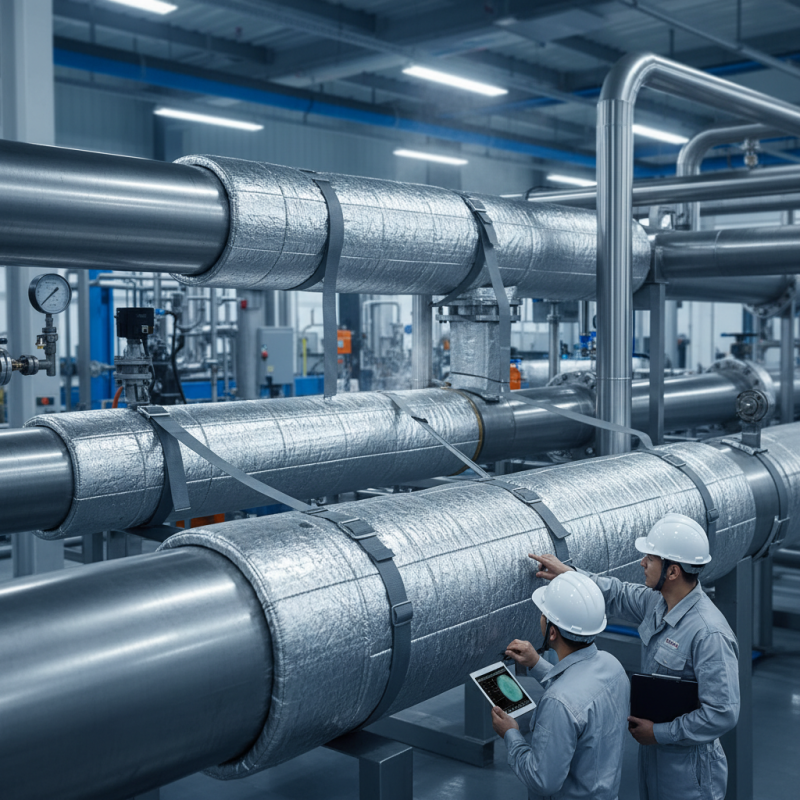
One efficient configuration includes multi-layered materials that trap air. This creates a buffer zone that minimizes thermal exchange. Additionally, implementing a reflective surface can redirect radiant heat back to the source. These design features can substantially improve performance, as proven by studies showing a 30% increase in heat retention compared to single-layered alternatives.
However, there are challenges to consider. Some materials may degrade over time, which affects longevity. Regular assessments of material integrity are essential to ensure continued effectiveness. Industry professionals suggest that monitoring should be part of an ongoing maintenance plan. Balancing cost with quality remains a common dilemma, as cheaper materials often do not offer the same thermal efficiency. It's crucial to reflect on these factors to achieve optimal temperature control.
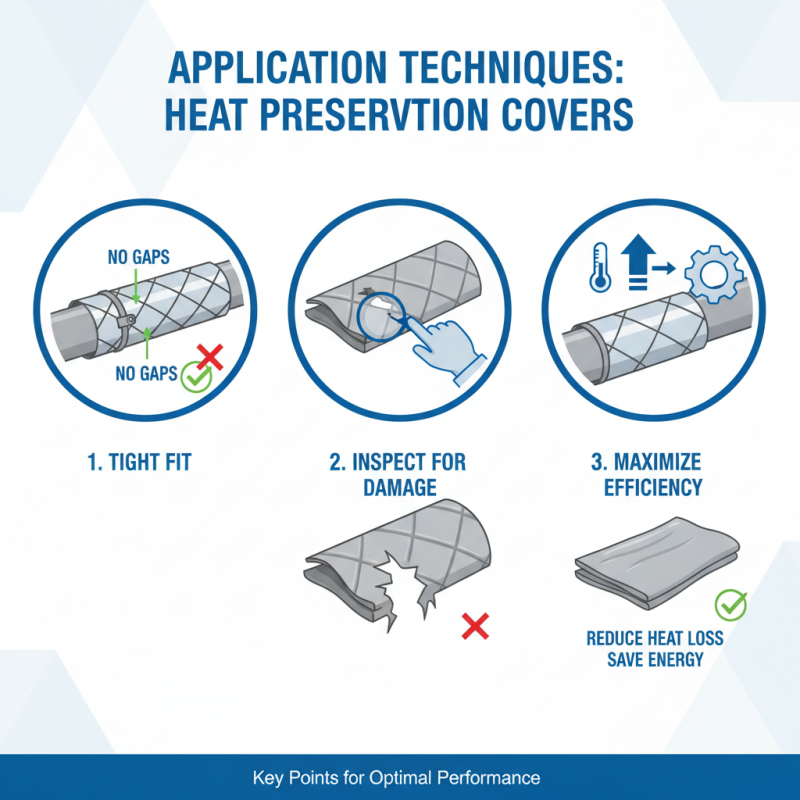
Application Techniques: Best Practices for Implementing Heat Preservation Covers
When working with heat preservation covers, understanding the right application techniques is crucial. Proper placement ensures maximum efficiency. For instance, covers should fit tightly around the surface. Gaps can lead to significant heat loss. Always inspect the covers for any damages. Small rips or tears can undermine their effectiveness.
Another important aspect is adjusting the cover based on environmental conditions. In colder climates, thicker insulation may be necessary. Conversely, in milder weather, a lighter cover could suffice. Using a thermometer can help monitor temperature changes under the covers. This allows you to make real-time adjustments. Experimenting with different materials and thicknesses can also yield better results.
It's essential to maintain a routine of checking the covers regularly. Sometimes, the effectiveness diminishes over time. Regular cleaning can extend their lifespan. Reflection on past experiences will guide you in making informed choices in the future. Consider documenting what works best for your specific needs.
Performance Measurement: Analyzing Temperature Control Efficiency and Data
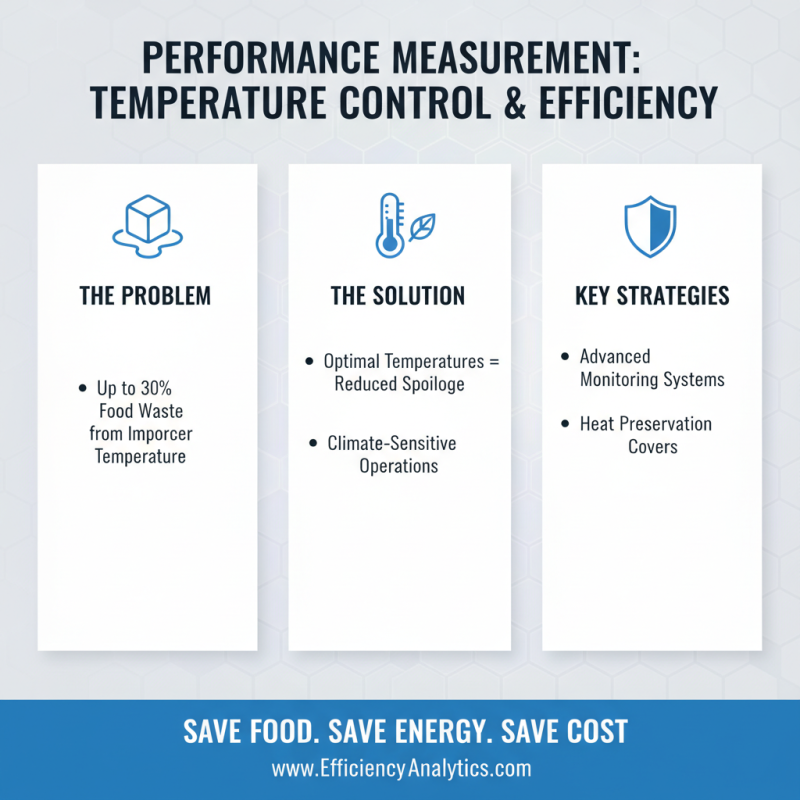
Effective temperature control is crucial in various industries, particularly in food preservation and climate-sensitive operations. Analyzing temperature control efficiency requires careful measurement of performance. According to recent studies, improper temperature management can lead to a wastage of up to 30% in food products. This stark figure emphasizes the importance of maintaining optimal temperatures through various means, including heat preservation covers.
To measure efficiency, various metrics are used. One report noted that thermal insulation efficiency can reduce energy loss by 20-50%. Effective materials play a vital role in achieving these numbers. Some insulation materials boast an R-value of 6 or greater, signifying superior thermal performance. However, not all solutions are ideal. Some may degrade over time or require high initial investment. This creates an ongoing challenge for industries striving to find a balance between cost and effectiveness.
Periodic assessments of temperature data are also essential. Regular monitoring can uncover inefficiencies in the current system. A study revealed that 25% of temperature control failures are due to equipment malfunctions. This data highlights the need for not only quality materials but also reliable monitoring technologies. Emphasizing preventative maintenance can optimize performance and reduce operational costs. These insights provide a pathway toward better temperature management practices across various sectors.