What is a Finned Heater and How Does it Work?
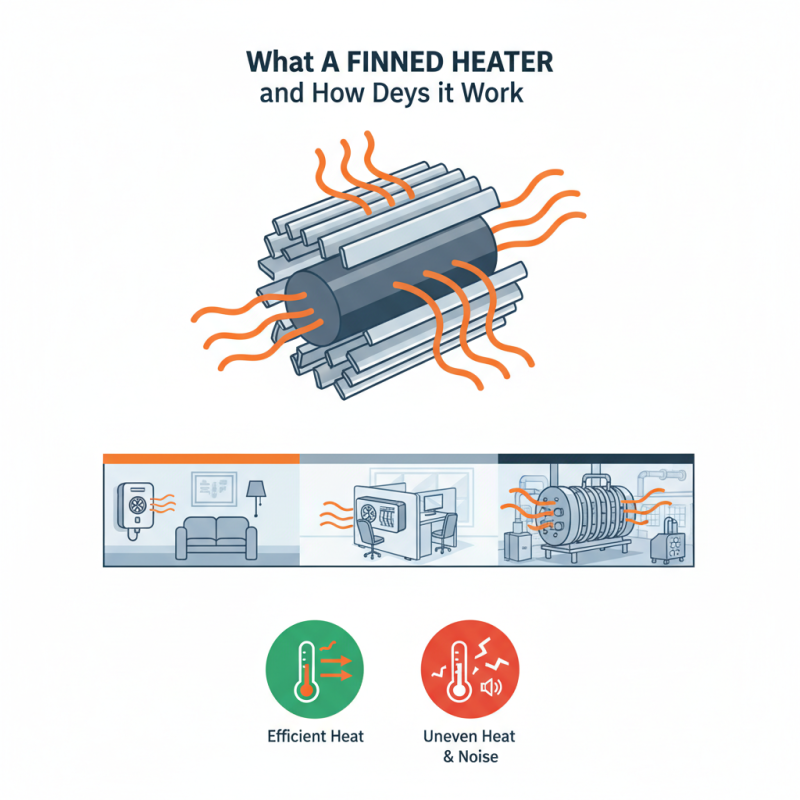
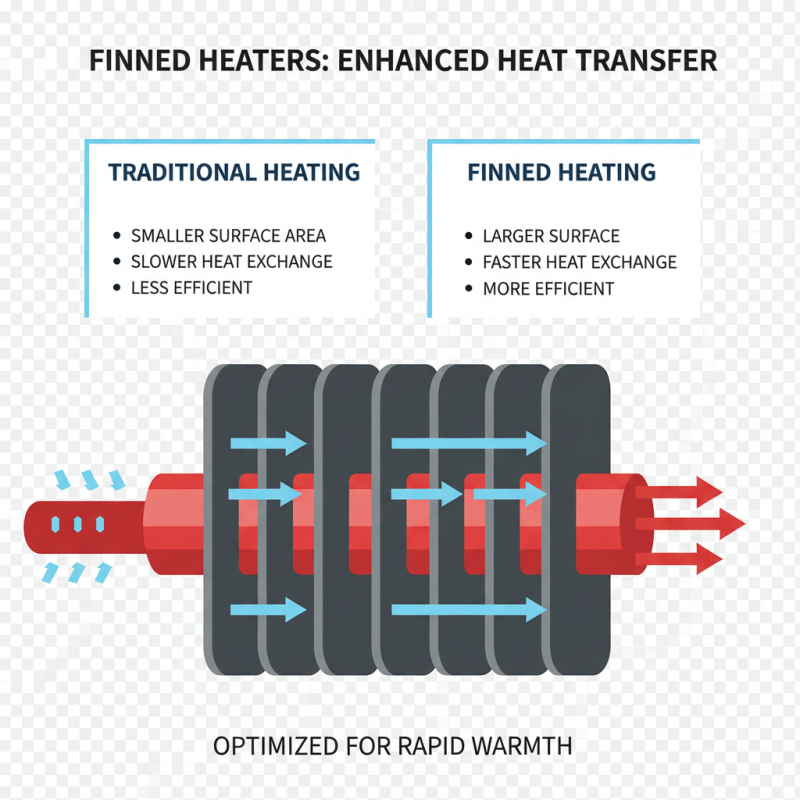
A Finned Heater is an essential device in many heating systems. Its design improves heat transfer efficiency by increasing surface area. These heaters consist of a standard heating element with metal fins attached to it. The fins allow for better heat distribution in the surrounding space.
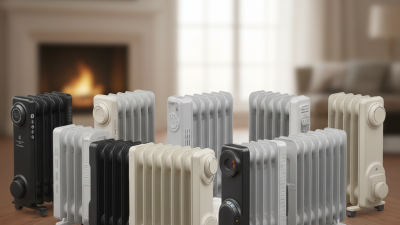
When warm air passes over these fins, it absorbs heat quickly. This process makes finned heaters very effective. They can be used in homes, offices, and even industrial settings. It’s interesting to note how these heaters can vary in size and shape. Some are compact for small spaces, while others are large for expansive areas.
However, not all finned heaters are made equal. Some might not heat as efficiently as expected. Users may face issues like uneven heat distribution or noise. It’s vital to choose the right type for specific needs. Understanding how a finned heater works can lead to more informed decisions and improved comfort.
Definition of a Finned Heater and Its Common Applications
A finned heater is a type of heating element designed to increase heat transfer. It features metal fins attached to a heating element, which helps distribute heat more efficiently. This design maximizes the surface area, allowing for rapid heating of air or other substances. It is commonly used in residential settings, industrial applications, and HVAC systems.
In homes, finned heaters are often found in baseboard heating and portable heaters. They provide effective heating for various rooms. In industrial settings, they are used in processes requiring precise temperature control. Finned heaters are also popular in manufacturing, where efficient heat transfer is crucial. Their ability to warm spaces quickly makes them ideal for both comfort and functionality.
While finned heaters are efficient, they can have drawbacks. Dust accumulation can hinder performance. Regular cleaning is essential for optimal operation. Additionally, their design may not be suitable for all spaces, especially smaller rooms. The selection of a finned heater must consider its specific application and requirements.
Finned Heater Applications and Efficiency Ratings
Principle of Operation: How Finned Heaters Generate Heat
Finned heaters are designed to increase heat transfer efficiency. Their unique structure consists of a series of fins attached to a heating element. These fins create a larger surface area, allowing for better heat distribution. As air moves over the fins, it picks up heat quickly. This leads to a more efficient heating process compared to traditional methods.
The principle of operation is rooted in convection. When the heating element warms up, the fins heat the surrounding air. Warm air rises while cooler air sinks. This natural circulation helps in maintaining a uniform temperature. However, the effectiveness of finned heaters can vary based on installation. Poor placement or airflow can hinder their performance. Observation shows that in some settings, these heaters struggle to reach optimal efficiency. It’s vital to assess and adjust the environment for best results.
Design Features: Components of a Finned Heater
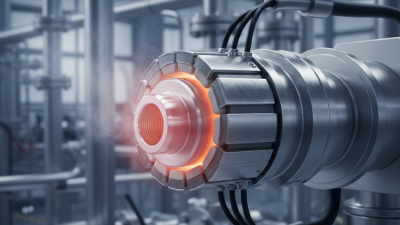
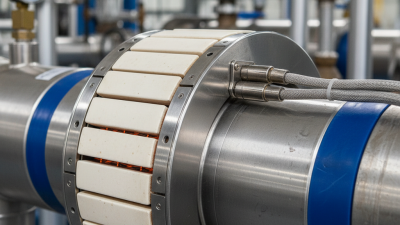
A finned heater is designed to efficiently transfer heat to a space. Its main components include the heating element, fins, and a casing. The heating element generates warmth. Fins are attached to the heating element. They increase the surface area for heat dissipation. This design helps warm air to circulate faster in a room.
Fins come in various shapes. Commonly, they are flat or tubular. The choice of fin type can affect the heater's efficiency. Proper material selection for these fins is crucial too. Materials like aluminum or copper are popular. They conduct heat well and are lightweight.
Tips: Regular maintenance can enhance performance. Dust and debris can accumulate on fins, reducing efficiency. Clean the fins yearly to ensure maximum heat output. Additionally, consider the placement of the heater. It should not be blocked by furniture or curtains for optimal air flow. A well-placed finned heater can significantly improve comfort levels in a space.
Advantages of Using Finned Heaters in Various Settings
Finned heaters offer numerous advantages in different settings. These devices use metal fins to increase the surface area for heat exchange. This design allows them to warm spaces more efficiently. They work well in homes, industrial sites, and commercial buildings. With the right setup, they can distribute heat evenly, creating a comfortable environment.
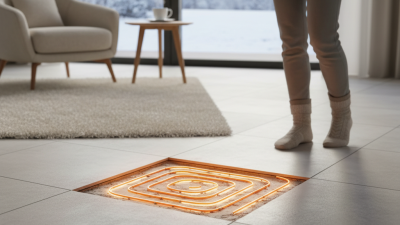
In residential settings, finned heaters help maintain cozy temperatures in winter. They can be installed in walls, ceilings, or even floors. This flexibility allows for maximizing space and reducing clutter. In industrial applications, they provide reliable heating for machinery and processes. Their robustness means they withstand harsh conditions, but they also require regular maintenance to avoid efficiency drops.
While finned heaters have many benefits, they are not without drawbacks. Installation costs may vary, making them less accessible for some. Regular cleaning is crucial, as dust accumulation can hinder performance. Users must consider these factors carefully before choosing finned heaters. Balancing benefits and challenges will lead to better heating solutions.
What is a Finned Heater and How Does it Work? - Advantages of Using Finned Heaters in Various Settings
| Application Area |
Type of Finned Heater |
Efficiency (%) |
Heat Output (BTU/h) |
Advantages |
| Residential Heating |
Wall-Mounted Finned Heater |
95 |
12,000 |
Space-saving, easy installation |
| Commercial Spaces |
Ceiling-Mounted Finned Heater |
92 |
20,000 |
Efficient for large areas, discreet design |
| Industrial Applications |
Industrial Finned Heater |
90 |
50,000 |
High durability, suitable for harsh environments |
| Agricultural Use |
Portable Finned Heater |
93 |
15,000 |
Versatile, easy to move and set up |
| Workshop Heating |
Portable Electric Finned Heater |
94 |
8,000 |
Quick heating, user-friendly controls |
Maintenance Tips for Optimal Performance of Finned Heaters
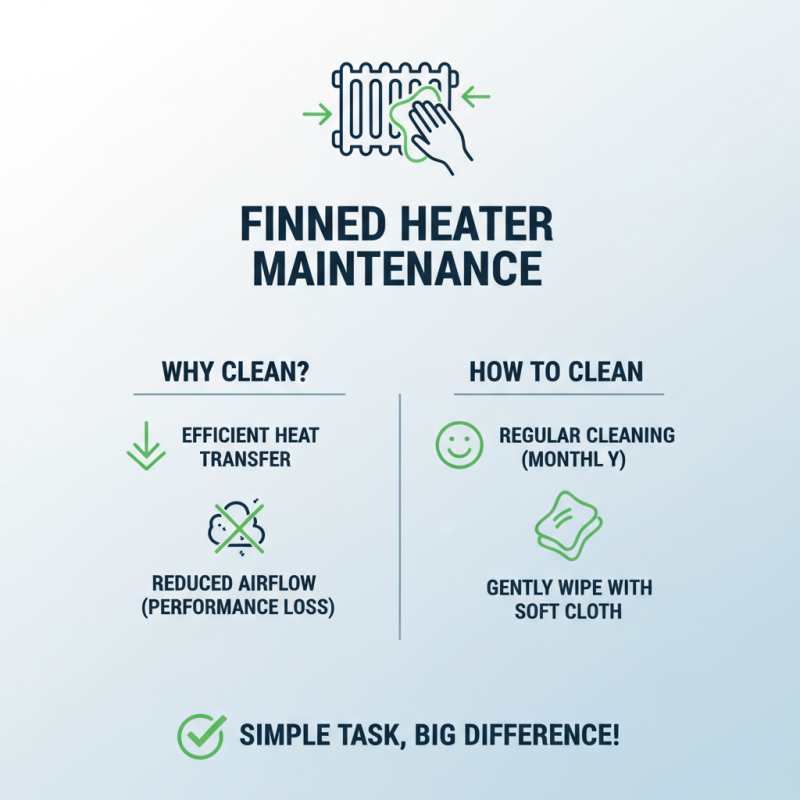
Finned heaters are popular for their efficient heat transfer. However, maintaining them is crucial for peak performance. Regular cleaning is essential. Dust and debris can accumulate on fins, reducing airflow. Wipe them down gently with a soft cloth. This simple task makes a big difference.
Check the electrical connections periodically. Loose wires can lead to malfunction. A thorough inspection can prevent larger issues. Monitor the thermostat settings. Sometimes, they can drift from their original calibration. Adjusting them can improve heating efficiency significantly.
Inspect the fins for any signs of corrosion. Rust damage can hinder performance. Address any signs of wear immediately. In some cases, replacement parts may be necessary. Keeping an eye on overall performance helps detect issues early. Remember, taking these steps regularly encourages better longevity.