How to Choose the Right Rod Heater for Your Home Heating Needs
When it comes to maintaining a comfortable home environment, selecting the right heating solution is crucial. Among the various options available, rod heaters stand out as a practical choice for many homeowners seeking efficient heating solutions. Rod heaters are designed to provide direct heat to specific areas, making them ideal for spaces that require targeted warmth. Understanding the different types of rod heaters and their specific features can help you make an informed decision that aligns with your heating needs.
Choosing the appropriate rod heater involves considering various factors such as room size, insulation, and desired temperature. Different rod heaters offer varied heating capacities and designs, catering to diverse residential environments. This guide will delve into essential considerations you should keep in mind when selecting a rod heater, ensuring your home remains a cozy refuge during colder months. Whether you're looking for supplemental heating or a primary heat source, knowing how to assess your options will empower you to make the best choice for your home heating needs.
Factors to Consider When Selecting a Rod Heater for Home Use
When selecting a rod heater for home use, there are several key factors to consider to ensure optimal heating efficiency and safety.
First and foremost, assess the size of the area you wish to heat. Understanding the square footage will help you determine the appropriate heating capacity of the rod heater required.
Larger spaces often necessitate a higher wattage unit to distribute heat evenly, while smaller areas can be adequately served by lower wattage options.
Another important consideration is the heater's energy efficiency. Look for models that provide energy-saving features, such as
adjustable thermostats and timers, which can help minimize electricity costs while maintaining comfort.
Additionally, evaluate the safety features of the heater. Options such as overheating protection and tip-over switches are essential, especially in households with
children or pets, ensuring that the heater operates safely without posing fire hazards.
By taking these factors into account, you can make an informed decision when choosing a rod heater that best meets your home heating needs.
Understanding the Different Types of Rod Heaters Available
When selecting a rod heater for your home, understanding the different types available is crucial to making an informed choice. Rod heaters primarily fall into two categories: electric rod heaters and water rod heaters. Electric rod heaters are designed for space heating and are often used in residential and industrial settings. They work by converting electrical energy into heat through resistance, providing a quick and efficient heating solution. These heaters are typically portable, allowing for easy relocation from one room to another, which is a significant advantage for homeowners looking for flexibility in their heating solutions.
On the other hand, water rod heaters are commonly used to heat water in storage tanks or directly in residential plumbing systems. These heaters utilize a rod immersed in water to transfer heat, resulting in a steady supply of hot water for domestic use. They are particularly beneficial for homes with high hot water demands, as they can maintain consistent temperatures and accommodate multiple faucets. When choosing between these types, consider factors such as energy efficiency, ease of installation, and your specific heating needs to determine which rod heater will best serve your home.
How to Choose the Right Rod Heater for Your Home Heating Needs
| Type of Rod Heater |
Wattage |
Ideal Room Size (sq ft) |
Heating Method |
Efficiency Rating |
| Standard Rod Heater |
750 - 1500 W |
150 - 300 |
Convection |
85% |
| Infrared Rod Heater |
500 - 2000 W |
200 - 400 |
Radiant |
90% |
| Oil-Filled Rod Heater |
700 - 1500 W |
175 - 350 |
Radiant |
80% |
| Ceramic Rod Heater |
1000 - 1500 W |
150 - 250 |
Convection |
85% |
| Mini Rod Heater |
250 - 600 W |
100 - 150 |
Convection |
75% |
Evaluating Heating Capacity: BTU Ratings and Room Size Requirements
When selecting the right rod heater for your home, understanding the heating capacity measured in BTUs (British Thermal Units) is crucial. BTU ratings indicate how much heat a heater can generate and help determine the appropriate size needed for your space. For optimal efficiency, it’s essential to match the BTU output with your room size. As a rule of thumb, you typically need about 20 BTUs per square foot of living space for adequate heating during colder months.
Room characteristics also play a significant role in calculating your heating needs. For instance, if you have high ceilings, large windows, or poor insulation, you may need to increase the BTU output to compensate for heat loss. According to a report by the U.S. Department of Energy, rooms with ceilings higher than eight feet can lose heat rapidly, suggesting you consider an additional 10% more BTU capacity to maintain a comfortable temperature. Understanding these dynamics ensures you can effectively assess which rod heater will provide the optimal warmth for your specific space and keep your home cozy throughout the winter.
Energy Efficiency Ratings and Their Impact on Operating Costs
When selecting a rod heater for home heating needs, it’s crucial to consider
energy efficiency ratings, which directly influence
operating costs. Energy efficiency is typically rated using the Energy Efficiency Ratio (EER), which measures
the amount of heating output per unit of energy consumed. According to the U.S. Department of Energy, heaters with
higher EER ratings can significantly reduce energy consumption—by as much as
30%—compared to standard models. This indicates that investing in a
higher-rated unit not only provides effective heating but also contributes to
lower utility bills over time.
In addition to EER, understanding the Seasonal Energy Efficiency Ratio (SEER) can provide deeper
insights into a rod heater's performance throughout different seasons. According to recent industry studies, heaters
with a SEER rating of 15 or above can save homeowners
approximately $300 annually in energy costs compared to older models with
lower ratings. Furthermore, the choice of a heater with advanced features, such as programmable thermostats
and smart heating controls, can enhance energy savings even further. As such, selecting a heater
with high energy efficiency ratings is a strategic decision that aligns both comfort and
cost-effectiveness for your home.
Installation and Maintenance Considerations for Optimal Performance
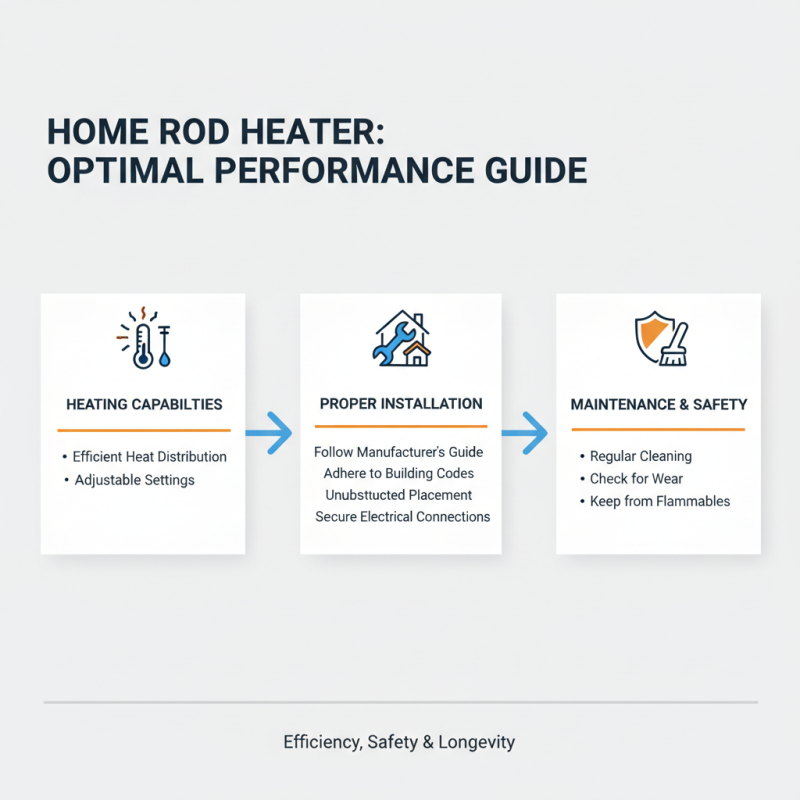
When selecting a rod heater for your home, it is essential to consider not only its heating capabilities but also the installation and maintenance aspects to ensure optimal performance. Proper installation is crucial as it affects the efficiency and safety of the heater. It is important to follow the manufacturer’s guidelines and local building codes. Generally, rod heaters should be installed in a place where they can effectively distribute heat without obstruction. Ensuring proper electrical connections and securing the heater away from flammable materials are key steps during installation that should never be overlooked.
Maintenance plays a vital role in guaranteeing that rod heaters function efficiently throughout their lifespan. Regular inspections should be conducted to check for signs of wear and tear, such as frayed wiring or corrosion. Additionally, keeping the heating unit clean by removing dust and debris can prevent overheating and extend the heater's operational lifespan. Scheduling professional maintenance at least once a year can help identify potential issues before they become larger, costly problems. By focusing on these installation and maintenance considerations, homeowners can enhance the performance and reliability of their rod heating solutions.