How to Choose the Best Ceramic Band Heater for Your Needs?
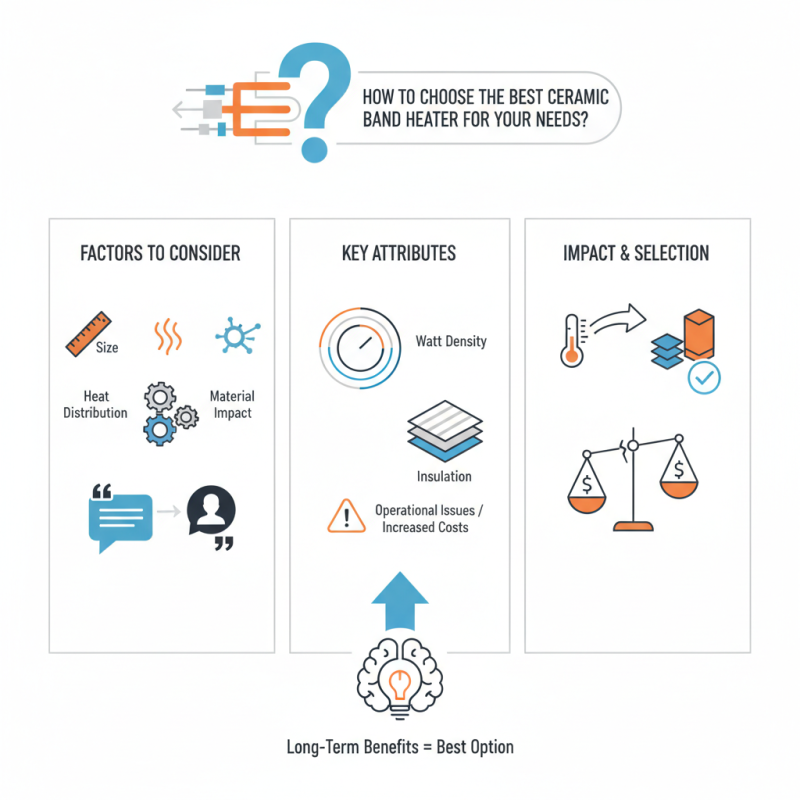
Choosing the best Ceramic Band Heater can be challenging. Factors like size, heat distribution, and material impact overall performance. John Stevens, an industry expert, emphasizes, “Selecting the right heater is essential for efficiency.” His insight highlights the importance of understanding your specific needs.
Ceramic Band Heaters are popular for their efficiency in various applications. They provide consistent heat, making them ideal for process industries. However, many users overlook the heater's watt density and insulation. Ignoring these aspects can result in operational issues or increased costs.
Understanding your requirements is crucial. An inadequate Ceramic Band Heater can lead to inconsistent temperatures. This can disrupt production and affect product quality. Far too often, choices are made based on price alone, which might not guarantee reliability. Therefore, reflecting on the long-term benefits will guide you to the best option.
Understanding the Basics of Ceramic Band Heaters
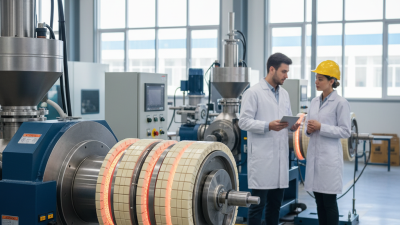
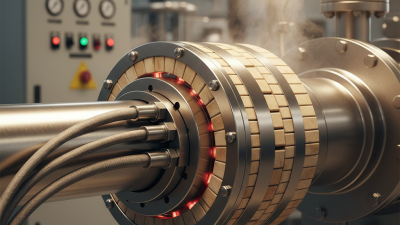
Ceramic band heaters are widely used in various industrial applications. They are known for their efficient heat transfer and durability. Understanding the fundamentals of these heaters is crucial for making informed decisions.
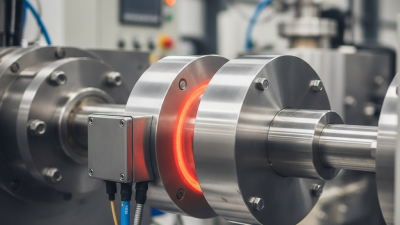
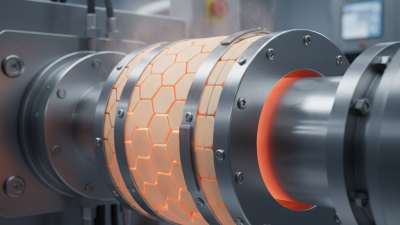
Ceramic band heaters typically feature a ceramic insulator and a metal band. This design ensures even heat distribution, reducing hot spots. Industry reports indicate that ceramic band heaters can achieve temperatures up to 1,000°F. Their lifespan often exceeds 10,000 operational hours with proper maintenance. Yet, factors like installation and power supply play significant roles in longevity.
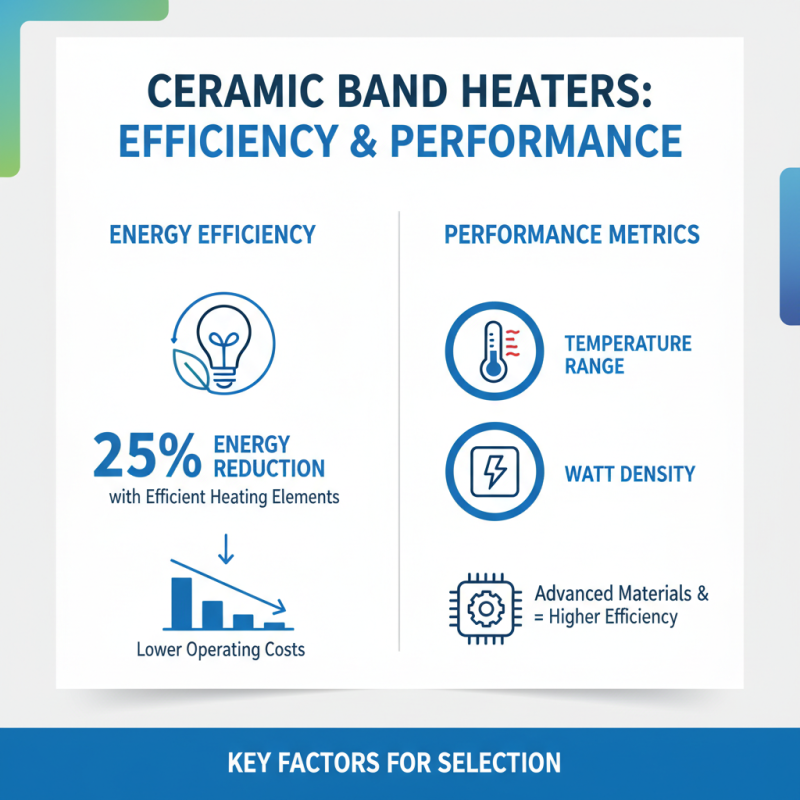
Selecting the right ceramic band heater involves evaluating specific needs. The material types and sizes can greatly influence performance. Inaccurate sizing can lead to inefficiency or overheating. Manufacturers recommend thorough assessments of operating conditions before making a purchase. Balancing quality and cost is essential for optimal performance while recognizing the importance of energy efficiency.
Comparison of Ceramic Band Heater Temperatures
Identifying Your Heating Requirements and Specifications
Choosing the right ceramic band heater involves understanding your specific heating requirements. Every application is different. Consider the temperature range you need. Is it low, medium, or high? Knowing the exact temperature helps narrow down options.
Heat output is crucial too. Assess the wattage you require for efficient heating. The dimensions of the heater should also match your equipment. A poor fit can lead to uneven heating. Do not overlook the material compatibility. Ensure the heater can withstand the environment of your application.
Tips: Measure the surface area of the item being heated. They vary in design, thickness, and size. Select a heater that maximizes contact with the surface. Pay attention to voltage ratings, as they can influence performance. Lastly, read manufacturer specifications thoroughly for reliable information. Always question if your choice aligns with your needs.
Evaluating Different Types and Designs of Ceramic Band Heaters
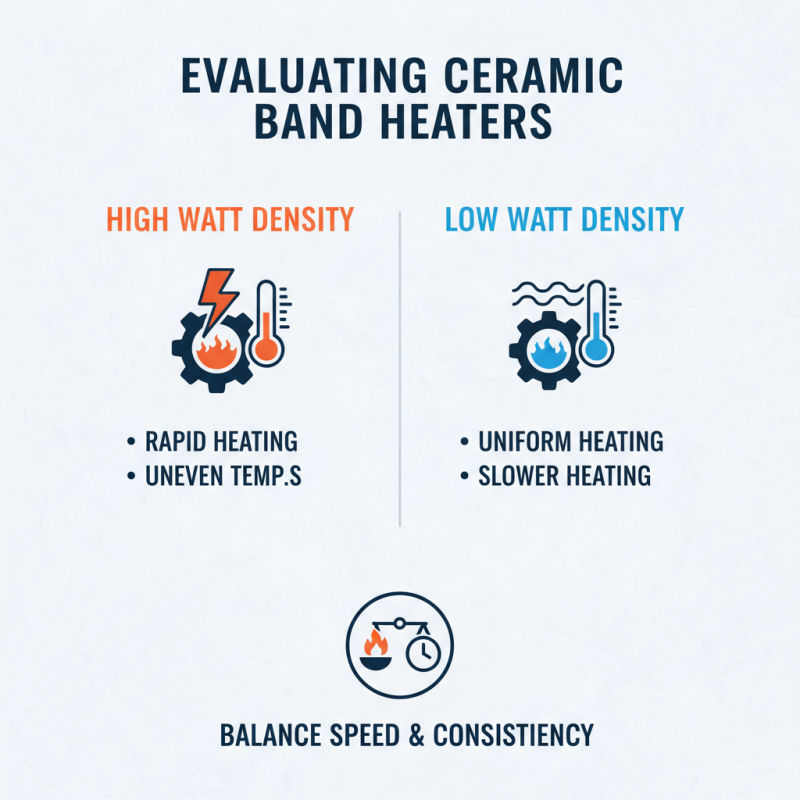
When selecting a ceramic band heater, different types and designs come into play. First, consider the watt density. High watt density heaters provide rapid heating but can cause uneven temperatures. Conversely, low watt density options heat uniformly but take longer. It’s essential to balance speed and consistency based on your application.
Next, evaluate the construction materials. Ceramic band heaters come in various insulation types. For example, some use high-temperature ceramics while others use fibrous materials. These decisions impact efficiency and durability. Choosing a heater that can withstand the specific temperatures and conditions of your operation is crucial.
Another aspect to explore is the size and fit. A misfit heater can lead to inefficient heating and energy loss. To ensure proper fit, closely measure the diameter and length of the object being heated. Reflect on your needs carefully. What works for one setting may not suit another. Balancing these factors can be complex, but doing so significantly increases performance and longevity.
Assessing Quality, Brand Reputation, and Warranty Options
When selecting a ceramic band heater, quality is paramount. A reliable heater ensures not only performance but also safety. According to industry reports, 85% of users prefer equipment that maintains high-temperature stability. This consistency helps in achieving better manufacturing processes and minimizing waste. Look for heaters constructed with durable materials like high-quality ceramic and metal. Poor-quality heaters can lead to overheating and defects in production.
Brand reputation should not be overlooked. Established brands often have a proven track record based on customer feedback. A study shows that 72% of manufacturers choose brands with long-standing industry experience. This gives buyers a sense of security about their purchase. Verify the reviews and ratings before making a decision. However, it’s essential to remain critical. Sometimes, positive reviews might overshadow existing issues.
Consider the warranty options provided by the manufacturer. A comprehensive warranty indicates confidence in their product's longevity. Reports show that products backed by at least a one-year warranty have a lower failure rate. Always check the warranty's terms and conditions. Don't hesitate to ask sellers about their support policies. Remember, a good warranty can save costs in the long run.
Tip: Always consult multiple sources before finalizing your heater choice. This research can guide you in making a well-informed decision. Seek recommendations from industry peers. They can share insights based on personal experience.
How to Choose the Best Ceramic Band Heater for Your Needs?
| Dimension |
Value |
Quality Rating |
Warranty Period |
| Inner Diameter (inches) |
3 |
4.5/5 |
2 Years |
| Outer Diameter (inches) |
4.5 |
4.2/5 |
1 Year |
| Wattage (W) |
500 |
4.7/5 |
3 Years |
| Temperature Range (°F) |
0 - 500 |
4.8/5 |
4 Years |
| Material |
Ceramic |
4.6/5 |
2 Years |